



Automation has become one of the most significant drivers of change in the modern economy. By using machines, software, robotics, and artificial intelligence to perform tasks that were once completed by humans, businesses are increasing efficiency, reducing costs, and improving productivity. While automation was initially associated with manufacturing, it is now transforming a wide range of traditional industries, including agriculture, transportation, healthcare, retail, and construction. As technology continues to evolve, automation is reshaping how industries operate and compete in a rapidly changing world.
Understanding Automation
Automation refers to the use of technology to perform tasks with minimal human intervention. It can range from simple mechanical systems to advanced artificial intelligence that can analyze data and make decisions. Modern automation technologies include robotics, machine learning, industrial sensors, automated software systems, and autonomous vehicles.
The primary goal of automation is to improve efficiency, accuracy, and consistency while reducing the time and effort required to complete tasks.
Automation in Manufacturing
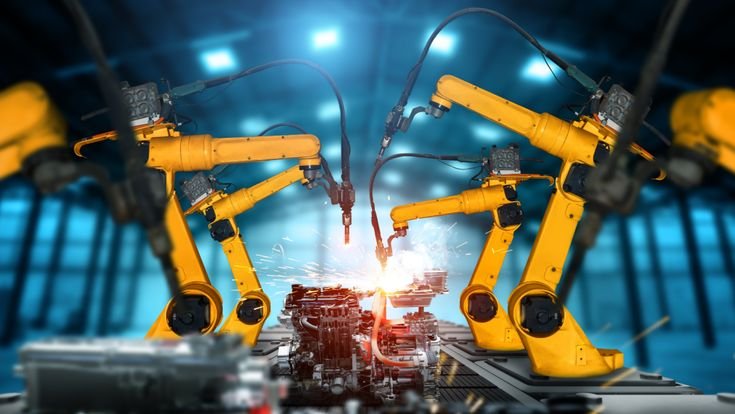
Manufacturing has been one of the earliest and most heavily automated industries. Factories now use robotic systems to assemble products, package goods, and inspect quality with high precision. Automated production lines can operate continuously, reducing production costs and increasing output.
Automation has also improved workplace safety by allowing machines to handle dangerous or repetitive tasks. As a result, manufacturers can maintain higher levels of productivity while minimizing workplace accidents.
Revolutionizing Agriculture
The agricultural sector is experiencing a technological transformation through automation. Farmers are increasingly using automated machinery, drones, and smart irrigation systems to improve crop management and productivity.
Precision agriculture allows farmers to monitor soil conditions, weather patterns, and crop health in real time. Automated systems help optimize the use of water, fertilizers, and pesticides, leading to higher yields and more sustainable farming practices.
Impact on Transportation and Logistics
Automation is reshaping transportation and logistics by improving efficiency and reducing operational costs. Warehouses use automated sorting systems, robotic equipment, and inventory management software to streamline operations.
The development of autonomous vehicles and delivery systems has the potential to further transform the movement of goods and people. Automated logistics networks can improve supply chain management, reduce delays, and enhance customer satisfaction.
Automation in Healthcare
Healthcare organizations are adopting automation to improve patient care and administrative efficiency. Automated systems assist with medical imaging, laboratory testing, patient record management, and appointment scheduling.
Artificial intelligence is also helping healthcare professionals analyze medical data and support diagnosis. These technologies enable faster decision-making, reduce human error, and allow medical staff to focus more on patient care.
Transforming Retail and Customer Service
Retail businesses are using automation to improve customer experiences and streamline operations. Self-checkout systems, automated inventory tracking, and personalized recommendation engines are becoming increasingly common.
Online retailers rely on automated warehouses and fulfillment centers to process orders quickly and accurately. Customer service has also been enhanced through chatbots and virtual assistants that provide immediate responses to customer inquiries.
Changes in the Construction Industry
Construction companies are embracing automation through the use of advanced machinery, drones, and building information modeling technologies. Automated equipment can perform tasks such as excavation, surveying, and material handling more efficiently than traditional methods.
These innovations improve project accuracy, reduce construction time, and enhance worker safety. As technology advances, automation is expected to play an even greater role in the construction sector.
Benefits of Automation
Automation offers numerous advantages for businesses and industries. It increases productivity by allowing operations to run continuously and efficiently. Automated systems often produce more consistent results and reduce the likelihood of human error.
In addition, automation can lower operational costs, improve product quality, enhance workplace safety, and enable organizations to respond more quickly to market demands. These benefits contribute to increased competitiveness and long-term growth.
Challenges and Concerns
Despite its many advantages, automation also presents challenges. One of the primary concerns is the potential displacement of workers as machines take over certain tasks. This has raised questions about employment, workforce adaptation, and the need for new skills.
Businesses must invest in employee training and education to prepare workers for changing job requirements. There are also concerns regarding cybersecurity, technology costs, and the ethical use of artificial intelligence in decision-making processes.
The Future of Automation
The future of automation is closely linked to advancements in artificial intelligence, robotics, and data analytics. As these technologies become more sophisticated, automation will expand into new industries and perform increasingly complex tasks.
Rather than completely replacing human workers, many experts believe automation will create opportunities for collaboration between people and machines. Workers will likely focus on creative, strategic, and problem-solving activities while automated systems handle routine and repetitive tasks.
Conclusion
Automation is transforming traditional industries by improving efficiency, productivity, and innovation. From manufacturing and agriculture to healthcare and retail, businesses are using automated technologies to remain competitive in an evolving global economy. While challenges such as workforce displacement and technological adaptation must be addressed, the benefits of automation are substantial. As technology continues to advance, automation will remain a key force shaping the future of industries and the world of work.
Frequently Asked Questions (FAQs)
1. What is automation?
Automation is the use of technology, machines, or software to perform tasks with minimal human involvement, improving efficiency and accuracy.
2. Which industries are most affected by automation?
Manufacturing, agriculture, transportation, healthcare, retail, logistics, and construction are among the industries most significantly impacted by automation.
3. How does automation benefit businesses?
Automation increases productivity, reduces operational costs, improves quality, enhances safety, and helps businesses respond more effectively to market demands.
4. Can automation replace human workers?
Automation can replace certain repetitive tasks, but it also creates new opportunities that require human creativity, critical thinking, and technical expertise.
5. How is automation used in agriculture?
Farmers use automated machinery, drones, smart sensors, and precision farming technologies to improve crop production and resource management.
6. What role does artificial intelligence play in automation?
Artificial intelligence enables automated systems to analyze data, recognize patterns, make decisions, and perform complex tasks more effectively.
7. What challenges does automation create?
Challenges include job displacement concerns, workforce retraining needs, cybersecurity risks, implementation costs, and ethical considerations.
8. What is the future of automation?
The future of automation involves greater integration of artificial intelligence, robotics, and smart technologies, leading to more efficient and innovative industries.