


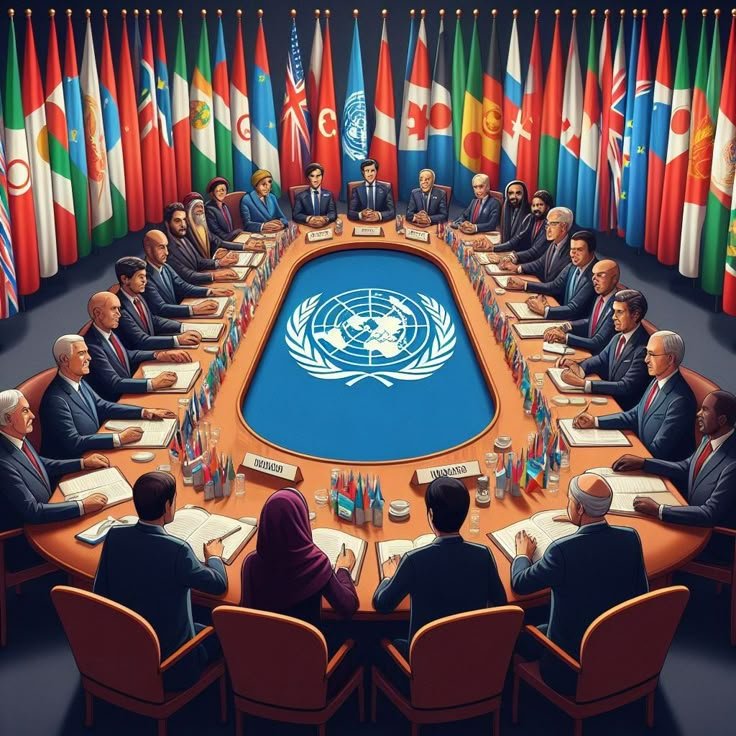

Conflict is an inevitable part of international relations, arising from political, economic, territorial, ethnic, and religious differences. While some disputes are resolved through diplomacy between the parties involved, others require external intervention to prevent escalation and maintain peace. International organizations play a crucial role in conflict resolution by facilitating dialogue, mediating disputes, providing humanitarian assistance, and supporting peacebuilding efforts. Their involvement has become increasingly important in a globalized world where conflicts often have regional and international consequences.
Understanding Conflict Resolution
Conflict resolution refers to the process of addressing disputes and finding peaceful solutions that satisfy the interests of the parties involved. It includes negotiation, mediation, arbitration, peacekeeping, and post-conflict reconstruction. International organizations serve as neutral actors that help conflicting parties communicate, build trust, and work toward sustainable agreements.
These organizations often possess the resources, expertise, and legitimacy needed to manage complex conflicts. By bringing together governments, civil society groups, and international stakeholders, they create opportunities for cooperation and peaceful settlement.
Major International Organizations Involved in Conflict Resolution
The United Nations (UN)
The United Nations is the most prominent international organization involved in conflict resolution. Established in 1945, the UN was created to maintain international peace and security. Through its Security Council, General Assembly, and specialized agencies, the organization addresses conflicts around the world.
The UN engages in peacekeeping missions, mediates disputes, imposes sanctions when necessary, and supports post-conflict recovery. Peacekeeping operations help maintain stability in regions affected by violence, while diplomatic initiatives encourage dialogue between conflicting parties.
Regional Organizations
Regional organizations also play a significant role in resolving conflicts within their geographical areas. Organizations such as the European Union (EU), African Union (AU), and Association of Southeast Asian Nations (ASEAN) often have a better understanding of local political and cultural dynamics.
These organizations contribute through mediation, election monitoring, economic support, and peacebuilding initiatives. Their proximity to conflicts often enables them to respond more quickly and effectively.
International Financial Institutions
Organizations such as the World Bank and the International Monetary Fund (IMF) indirectly contribute to conflict resolution by addressing economic instability, which is often a root cause of conflict. By supporting development projects and economic recovery programs, they help reduce conditions that may lead to violence and unrest.
Methods Used by International Organizations
Mediation and Negotiation
One of the primary methods used by international organizations is mediation. Mediators facilitate communication between conflicting parties and help them identify common interests. Unlike arbitrators, mediators do not impose solutions but assist parties in reaching mutually acceptable agreements.
Peacekeeping Operations
Peacekeeping involves deploying international personnel to conflict zones to monitor ceasefires, protect civilians, and support the implementation of peace agreements. Peacekeepers help create a secure environment in which political solutions can be pursued.
Humanitarian Assistance
Conflicts often result in humanitarian crises, including displacement, food shortages, and health emergencies. International organizations provide essential aid to affected populations, helping reduce suffering and prevent further instability.
Peacebuilding and Reconstruction
Long-term peace requires more than ending violence. International organizations support rebuilding institutions, strengthening governance, promoting the rule of law, and fostering economic development. These efforts help prevent conflicts from re-emerging.
Challenges Faced by International Organizations
Despite their contributions, international organizations face several challenges in conflict resolution. Political disagreements among member states can hinder decision-making and delay action. Limited resources and funding constraints may also affect the effectiveness of peacekeeping and humanitarian operations.
Additionally, some conflicts involve deeply rooted historical, ethnic, or ideological divisions that are difficult to resolve. In certain cases, parties may refuse external involvement or fail to comply with agreements, making sustainable peace more difficult to achieve.
Success Stories in Conflict Resolution
International organizations have played a significant role in resolving numerous conflicts around the world. Peace agreements facilitated by international mediation have helped end civil wars, reduce violence, and promote democratic transitions in several countries. Successful peacekeeping missions have also contributed to stability in regions recovering from prolonged conflict.
These achievements demonstrate the value of international cooperation and the importance of maintaining strong institutions dedicated to peace and security.
Conclusion
International organizations are essential actors in conflict resolution. Through mediation, peacekeeping, humanitarian assistance, and peacebuilding efforts, they help manage disputes and promote lasting peace. Although challenges remain, their contributions have prevented the escalation of many conflicts and supported recovery in war-affected regions. As global challenges continue to evolve, the role of international organizations in maintaining international peace and security will remain vital.
Frequently Asked Questions (FAQs)
What is conflict resolution?
Conflict resolution is the process of addressing disputes and finding peaceful solutions through negotiation, mediation, arbitration, or other peaceful methods.
Why are international organizations important in conflict resolution?
They provide neutral platforms for dialogue, offer expertise and resources, support peacekeeping efforts, and help rebuild societies after conflicts.
Which international organization is most involved in conflict resolution?
The United Nations is the leading international organization involved in maintaining peace and resolving conflicts worldwide.
How do peacekeeping missions help resolve conflicts?
Peacekeeping missions help maintain ceasefires, protect civilians, support peace agreements, and create conditions for political solutions.
What challenges do international organizations face in resolving conflicts?
They often face political disagreements, funding limitations, lack of cooperation from conflicting parties, and the complexity of long-standing disputes.
Can international organizations prevent conflicts?
While they cannot prevent all conflicts, they can reduce tensions, encourage diplomacy, address root causes, and support early intervention efforts.
What is the difference between peacekeeping and peacebuilding?
Peacekeeping focuses on maintaining security and stability during or after conflicts, while peacebuilding aims to create long-term conditions for sustainable peace and development.