


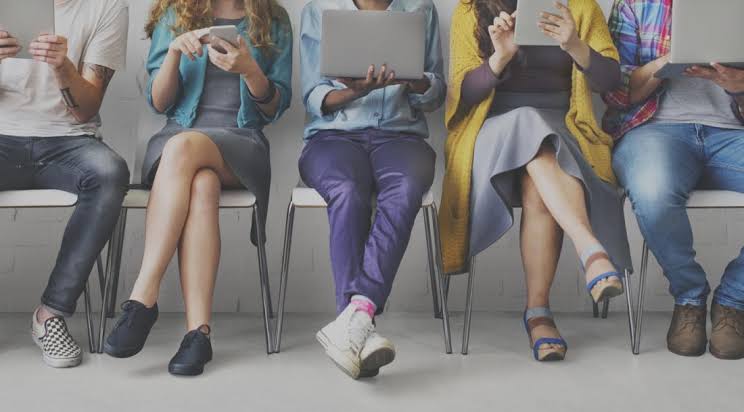

Modern society is changing rapidly as technology, urbanization, economic conditions, education, communication, and cultural trends influence the way people live. Compared with previous generations, many people now work, communicate, shop, learn, and socialize in very different ways.
These lifestyle changes have created many opportunities. Technology has made information more accessible, communication faster, and many everyday tasks more convenient. At the same time, modern lifestyles can introduce challenges involving social relationships, physical activity, mental well-being, privacy, work-life balance, and community connections.
Understanding these changes can help individuals and communities make better choices while benefiting from the opportunities of modern life.
What Is a Modern Lifestyle?
A modern lifestyle refers to the changing patterns of behavior, habits, values, and routines that influence how people live in contemporary society.
Technology is one of the most visible influences. Smartphones, social media, online shopping, digital entertainment, remote work, and online education have become part of everyday life for many people.
However, modern lifestyle changes are not caused by technology alone. Changes in employment, family structures, transportation, urban development, education, consumer habits, and social expectations also contribute.
The Impact of Technology on Daily Life
Technology has changed how people perform many everyday activities. Tasks that once required travel or physical paperwork can now often be completed through digital services.
People can communicate instantly across long distances, access information within seconds, and use digital tools for work, education, banking, shopping, and entertainment.
These developments can save time and increase convenience. However, constant connectivity can also create pressure to remain available and may make it difficult for people to disconnect from work or social media.
Social Media and Human Relationships
Social media has transformed how people maintain relationships and share experiences. Friends and relatives can stay connected even when they live in different cities or countries.
Online communities can also provide opportunities for people with shared interests to interact.
However, digital communication does not always replace the value of face-to-face interaction. Excessive social media use can sometimes reduce time spent in direct social situations or create unrealistic comparisons with other people’s carefully presented lives.
The effect depends greatly on how individuals use these platforms.
Changes in Family Life
Family structures and household routines have changed in many parts of the world. Increased urbanization, changing work patterns, economic pressures, and greater participation in education and employment can influence how families organize their daily lives.
Many households have less time for shared meals and traditional routines because family members may have different work, school, and personal schedules.
At the same time, technology allows families separated by distance to communicate regularly through video calls, messaging, and other digital tools.
The Rise of Remote and Flexible Work
Modern technology has made remote and flexible work possible for many types of jobs.
Working from home can reduce commuting time and provide greater flexibility. Some workers may find it easier to manage personal responsibilities when they have more control over their schedules.
However, remote work can also blur the boundary between professional and personal life. Without clear routines, employees may feel pressure to remain connected to work outside normal working hours.
Organizations and workers therefore need to establish healthy expectations around availability and communication.
Changing Attitudes Toward Work-Life Balance
Many people increasingly recognize that professional success is only one part of a fulfilling life.
Work-life balance involves managing professional responsibilities while also making time for relationships, rest, personal interests, health, and other important areas.
Modern workplaces can support this balance through flexible schedules, reasonable workloads, paid time off, and supportive management. However, individual habits also matter.
Constant digital connectivity can make it difficult to switch off, particularly when work messages can arrive at any time.
Urbanization and Modern Living
Urbanization has changed how millions of people live. Cities can provide access to employment, education, healthcare, entertainment, transportation, and cultural activities.
Urban living can also create challenges such as traffic congestion, higher housing costs, noise, pollution, overcrowding, and limited personal space.
The design of cities therefore plays an important role in quality of life. Access to public transportation, parks, walking areas, community facilities, and affordable housing can help make urban environments more livable.
Changes in Shopping and Consumer Behavior
Online shopping has transformed consumer behavior. People can compare products, read reviews, and place orders without visiting physical stores.
This convenience can save time and provide access to a wider range of products.
However, easy purchasing can also encourage impulse buying and increased consumption. Digital advertising and personalized recommendations can constantly expose consumers to products and services.
Developing thoughtful purchasing habits can help people balance convenience with financial and environmental considerations.
Modern Food and Eating Habits
Lifestyle changes have also affected how people eat. Busy schedules can encourage greater reliance on convenience foods, takeout, food delivery, and ready-made meals.
At the same time, modern consumers have access to more nutritional information, diverse cuisines, and food-preparation resources than ever before.
The challenge is finding a sustainable balance between convenience, nutrition, cost, and personal preferences.
Physical Activity and Sedentary Behavior
Many modern jobs involve prolonged sitting and extensive computer use. Entertainment has also become increasingly screen-based.
Reduced physical activity can affect overall health and fitness. Modern lifestyles therefore make intentional movement increasingly important.
Walking, exercising, participating in sports, using active transportation, or simply taking regular breaks from prolonged sitting can help people maintain more active routines.
Mental Well-Being in a Connected World
Modern life provides many conveniences, but it can also create new sources of pressure.
People may experience information overload, work-related stress, financial concerns, social comparison, or pressure to maintain an online presence.
Digital platforms can be useful for communication and community, but excessive or unhealthy use may contribute to feelings of stress or dissatisfaction for some people.
Creating boundaries around technology and making time for rest, relationships, hobbies, and offline activities can support a healthier lifestyle.
The Changing Nature of Education
Education has become increasingly accessible through digital technology. Online courses, educational platforms, digital libraries, video lessons, and virtual classrooms allow people to learn outside traditional institutions.
This flexibility can benefit students and working adults who want to develop new skills.
However, online learning also requires self-discipline. Students may face distractions at home and may have fewer opportunities for direct interaction with teachers and classmates.
The future of education is likely to involve a combination of digital and traditional learning methods.
The Influence of Digital Entertainment
Streaming platforms, online gaming, social media, podcasts, and digital content have transformed entertainment.
People can access entertainment almost instantly, often choosing exactly what they want to watch or listen to.
This convenience provides greater choice, but it can also make passive screen time easier to accumulate. Creating a healthy balance between digital entertainment and physical, social, and creative activities can be beneficial.
Privacy and Personal Data
Modern lifestyles increasingly involve digital accounts and services that collect personal information.
Online shopping, social platforms, mobile applications, financial services, and other digital systems may require users to provide information.
This makes digital privacy an important social issue. People should understand what information they share, review privacy settings where appropriate, use strong account security practices, and think carefully before providing sensitive information online.
Environmental Effects of Modern Lifestyles
Modern consumption patterns can affect the environment through energy use, transportation, manufacturing, packaging, and waste.
At the same time, technology can support more sustainable practices. Renewable energy, electric transportation, smart home systems, recycling technologies, and digital services can help reduce certain forms of environmental impact.
Individual choices matter, but larger changes in infrastructure, industry, policy, and urban planning are also important.
Changing Communication Styles
Communication has become faster and more informal in many settings. Short messages, emojis, video calls, social platforms, and instant notifications are now common.
This can make communication more convenient, but it can also create misunderstandings because digital messages often lack tone and nonverbal cues.
Learning when to use a message, phone call, video conversation, or face-to-face discussion is an important part of modern communication.
The Impact on Community Life
Traditional communities were often centered around neighborhoods, workplaces, religious institutions, schools, and local organizations. Modern life has expanded community beyond physical locations.
People can now participate in online communities based on hobbies, professions, interests, or shared experiences.
Digital communities can create valuable connections, but physical communities remain important. Local events, volunteer activities, neighborhood organizations, and face-to-face relationships can strengthen social trust and belonging.
Changing Attitudes and Cultural Exchange
Global communication has made it easier for people to encounter different cultures, languages, lifestyles, and ideas.
This can encourage cultural understanding and create opportunities for collaboration. Food, music, fashion, entertainment, and ideas can spread rapidly across national boundaries.
However, cultural change can also create debates about identity, traditions, and social values. Healthy societies need space for both cultural development and respectful discussion.
The Importance of Digital Literacy
As technology becomes more deeply integrated into everyday life, digital literacy is becoming an essential social skill.
People need to know how to evaluate online information, recognize misleading content, protect accounts, communicate responsibly, and understand the consequences of sharing information online.
Digital literacy can help individuals take advantage of technology while reducing some of its potential risks.
How Society Can Adapt to Lifestyle Changes
Society does not need to reject modern technology to address its challenges. Instead, individuals, families, businesses, schools, and governments can work toward healthier and more balanced approaches.
Education can teach digital responsibility and financial literacy. Workplaces can establish reasonable communication expectations. Communities can invest in public spaces and social programs. Individuals can create boundaries around screen time, spending, work, and online activity.
The goal should be to use modern tools in ways that improve quality of life rather than allowing technology and convenience to control every part of daily life.
FAQs About Modern Lifestyle Changes
How has technology changed modern society?
Technology has transformed communication, employment, education, shopping, entertainment, transportation, and access to information. It has increased convenience while also creating challenges related to privacy, screen time, and constant connectivity.
Are modern lifestyles better than traditional lifestyles?
Modern and traditional lifestyles both have advantages and disadvantages. Modern life offers greater technological convenience and access to information, while some traditional practices may provide stronger community connections and slower routines.
How does social media affect society?
Social media can help people communicate, build communities, share information, and maintain long-distance relationships. However, excessive use can contribute to distraction, social comparison, misinformation, and reduced face-to-face interaction.
How has remote work changed society?
Remote work can provide flexibility and reduce commuting for some workers. It can also blur boundaries between professional and personal life and change how employees interact with colleagues.
Why is work-life balance important?
Work-life balance allows people to manage professional responsibilities while maintaining time for relationships, rest, personal interests, and other important aspects of life.
How do modern lifestyles affect physical activity?
Many modern jobs and forms of entertainment involve sitting and screen use for extended periods. This can reduce everyday movement, making intentional physical activity and regular movement breaks more important.
What is the biggest challenge of modern lifestyles?
There is no single challenge for everyone. Common concerns include stress, excessive screen use, social isolation, work-life imbalance, consumerism, privacy issues, and reduced physical activity.
How can people maintain a healthy modern lifestyle?
People can benefit from setting reasonable technology boundaries, staying physically active, maintaining relationships, managing finances carefully, getting adequate rest, and making time for activities away from screens.
Conclusion
Modern lifestyle changes are reshaping society in powerful ways. Technology, urbanization, changing work patterns, digital communication, consumer behavior, and evolving cultural attitudes have changed how people interact with the world around them.
These changes offer significant benefits, including convenience, flexibility, access to information, global communication, and new educational and professional opportunities. However, they also require people to think carefully about privacy, health, relationships, work-life balance, consumption, and community.
The most effective approach is not to resist every change or accept every trend without question. Instead, individuals and communities can learn to use modern developments thoughtfully while preserving the relationships, habits, and values that contribute to a balanced and meaningful life.