


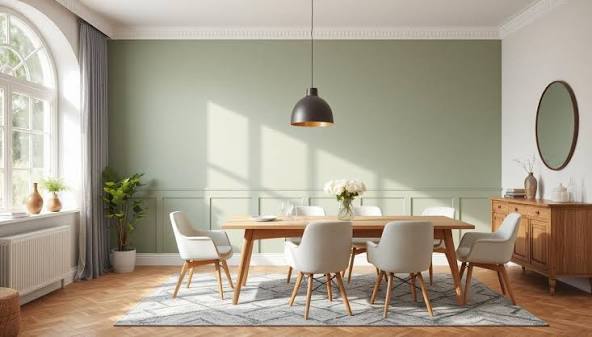

An accent wall can be one of the simplest ways to change the appearance and atmosphere of a room. Instead of repainting every wall or undertaking a major renovation, you can use one carefully designed wall to introduce color, texture, pattern, or architectural interest.
Accent walls can work in living rooms, bedrooms, kitchens, bathrooms, hallways, home offices, and dining areas. When planned thoughtfully, they can highlight important features, create visual balance, and give an otherwise ordinary room a distinctive character.
What Is an Accent Wall?
An accent wall is a wall designed differently from the surrounding walls so that it attracts attention. The difference may come from paint color, wallpaper, wood, stone, tile, decorative panels, or another finish.
The purpose is not necessarily to make the wall dramatically different. Even a subtle change in shade or texture can create a focal point.
The best accent wall usually supports the overall design of the room rather than competing with everything else in it.
Create an Instant Focal Point
One of the main benefits of an accent wall is its ability to establish a focal point.
Every room can benefit from having an area that naturally draws attention. In a living room, this might be the wall behind the sofa or television. In a bedroom, it is often the wall behind the bed.
A carefully selected accent wall can make the room feel more intentional and organized because it gives the eye a clear visual destination.
Add Color Without Overwhelming the Room
Painting an entire room a bold color can sometimes feel overwhelming. An accent wall provides a way to experiment with stronger colors while keeping most of the room relatively neutral.
Deep green, navy, charcoal, terracotta, muted blue, or warm brown can create character without covering every surface.
The ideal color depends on the room’s lighting, furniture, flooring, and existing color palette.
Make a Room Feel More Spacious
Accent walls can influence how people perceive the dimensions of a room.
A darker wall can visually recede in some settings, while a lighter or brighter accent can draw attention toward a particular area. Horizontal patterns can also influence the perceived width of a space, while vertical designs can emphasize height.
These effects depend on lighting, proportions, and the surrounding colors, so the goal should be to enhance the room rather than rely on a single visual trick.
Highlight Architectural Features
An accent wall can draw attention to existing architectural details such as fireplaces, alcoves, built-in shelving, arches, or unusual wall shapes.
Instead of trying to hide an architectural feature, use color or texture to make it a deliberate part of the design.
For example, a fireplace wall can be finished with a contrasting paint color or textured material to create a natural centerpiece.
Use Wallpaper for Pattern and Personality
Wallpaper offers almost unlimited possibilities for accent walls. Floral designs, geometric patterns, abstract graphics, botanical prints, and subtle textures can all create different moods.
Wallpaper is particularly useful when you want a complex visual effect that would be difficult to achieve with paint alone.
If the room already contains patterned furniture or rugs, choose a wallpaper design that complements those elements rather than creating competing patterns.
Add Warmth With Wood
Wood accent walls can introduce warmth and natural character into a room.
Wood panels, slats, reclaimed-style finishes, and wood-look materials can work well in bedrooms, living rooms, offices, and dining spaces.
A wood accent wall can be particularly effective in minimalist interiors because the natural texture adds visual interest without requiring bright colors.
Try Stone or Brick Finishes
Stone and brick can create a strong architectural appearance. They can work particularly well in living rooms, dining areas, entryways, and feature walls around fireplaces.
Real materials can be expensive or difficult to install, so manufactured panels and other decorative alternatives may provide a more practical solution.
The material should be selected according to the room’s style and maintenance requirements.
Create a Stylish Bedroom Feature Wall
The wall behind the bed is one of the most popular locations for an accent wall.
A deep color, textured wallpaper, upholstered panel, wood slats, or decorative molding can turn the headboard area into a strong focal point.
For a relaxing bedroom, muted tones and subtle textures may work better than highly energetic patterns.
Transform a Living Room
In a living room, an accent wall can define the main seating area.
The wall behind a sofa or entertainment unit can be differentiated using paint, wallpaper, paneling, or artwork. The goal is to connect the wall with the furniture rather than treating it as an isolated decoration.
Repeating the accent color through cushions, curtains, rugs, or accessories can create a cohesive appearance.
Make a Home Office More Inspiring
A home office accent wall can help define the workspace and give the room a more personalized atmosphere.
A deep blue, green, warm neutral, geometric wallpaper, or wood-effect panel can create a professional yet comfortable environment.
Avoid overly distracting patterns if the wall is directly within your line of sight during work.
Add Character to a Dining Area
A dining room or dining corner can benefit from an accent wall that creates a sense of occasion.
Dark paint, textured wallpaper, decorative molding, or a sophisticated patterned finish can make the dining area feel more distinct.
Lighting can further enhance the wall, especially when pendant lights or wall sconces are positioned to complement the feature.
Use Accent Walls in Small Spaces
Small rooms do not have to avoid accent walls. In fact, a carefully designed feature wall can make a compact space feel more purposeful.
In a small room, avoid overwhelming the space with too many competing patterns or colors. A single well-planned feature can provide enough visual interest without making the room feel crowded.
Consider Ceiling Height and Room Proportions
The size and shape of a room should influence accent wall design.
Tall rooms may benefit from horizontal elements or designs that visually connect different parts of the wall. Lower rooms can sometimes benefit from vertical patterns or paneling that emphasizes height.
The placement of furniture is equally important. The accent wall should work with the room’s existing proportions rather than making them feel unbalanced.
Coordinate With Existing Furniture
An accent wall should not be selected in isolation.
Look at the colors and materials already present in the room. Flooring, furniture, curtains, rugs, lighting, and artwork can all influence the appropriate wall finish.
For example, a room with warm wood furniture may work well with earthy colors, while a room dominated by cool neutrals may suit blue, gray, or other complementary tones.
Use Lighting to Enhance the Wall
Lighting can dramatically change how an accent wall looks.
Natural light may make certain colors appear brighter during the day, while warm artificial lighting can alter the appearance of paint and materials in the evening.
Wall sconces, picture lights, recessed lighting, or directional fixtures can also emphasize texture and architectural details.
Always test paint or material samples under the room’s actual lighting conditions before making a final decision.
Accent Walls Don’t Always Need Bold Colors
An accent wall does not have to be dramatically darker or brighter than the other walls.
Subtle variations can create a sophisticated result. For example, a room with light beige walls could feature a slightly deeper beige wall with a textured finish.
This approach is useful for homeowners who want visual interest without a highly contrasting design.
Try Decorative Wall Paneling
Decorative molding and wall panels can give a room architectural character without changing its color dramatically.
Square molding, rectangular panels, vertical slats, or contemporary geometric designs can create depth and dimension.
Painting the panels and the surrounding wall in the same color can produce a refined, understated effect.
Avoid Making Every Wall a Feature
One common mistake is creating too many competing focal points.
If multiple walls contain bold colors, patterns, textures, and decorations, the room can quickly become visually overwhelming.
An accent wall works best when the surrounding surfaces provide enough visual calm to allow the feature to stand out.
Choose Materials Based on the Room
Not every accent-wall material is appropriate for every location.
Bathrooms and kitchens require finishes that can tolerate moisture and regular cleaning. Bedrooms and living rooms offer more flexibility.
Before installing wood, wallpaper, stone, panels, or other materials, consider humidity, ventilation, cleaning requirements, durability, and installation conditions.
Refresh Your Home Without a Major Renovation
One of the biggest advantages of an accent wall is that it can produce a noticeable transformation without changing the entire room.
Painting is often relatively simple to update, while removable wallpaper or other temporary solutions can provide flexibility for renters or homeowners who expect their tastes to change.
This makes accent walls an accessible option for refreshing an interior without a full renovation.
Frequently Asked Questions
What is the best wall to use as an accent wall?
The best wall is usually one that naturally attracts attention or serves as a focal point. Common choices include the wall behind a bed, sofa, fireplace, dining table, or television.
Should an accent wall be darker than the other walls?
Not necessarily. A darker color is common, but lighter colors, patterns, textures, and subtle tonal differences can also create effective accent walls.
Can a small room have an accent wall?
Yes. A carefully selected accent wall can add personality to a small room without making it feel crowded. Keeping the rest of the design relatively simple can help maintain visual balance.
Are accent walls still popular?
Accent walls remain a flexible interior-design technique because they can be adapted to many styles, from minimalist and contemporary interiors to traditional and rustic spaces.
Can I use wallpaper on an accent wall?
Yes. Wallpaper is one of the most effective ways to introduce pattern, texture, and personality without covering the entire room.
How do I choose an accent-wall color?
Consider the existing furniture, flooring, lighting, curtains, and accessories. Testing samples in the actual room at different times of day can help you understand how a color will look under changing light.
Can an accent wall increase home value?
An attractive accent wall can improve the visual appeal of a home, but there is no guarantee that a particular decorative choice will increase its market value. Personal taste varies among buyers.
Conclusion
Accent walls offer a simple and flexible way to transform the appearance of a home. They can introduce color, texture, pattern, warmth, and architectural character while creating a clear focal point within a room.
The most successful accent walls are carefully connected to the rest of the interior. Consider the room’s size, lighting, furniture, materials, and existing colors before choosing the finish.
Whether you choose bold paint, elegant wallpaper, natural wood, decorative molding, or textured panels, a well-planned accent wall can give an ordinary room a fresh and distinctive appearance without requiring a complete renovation.