


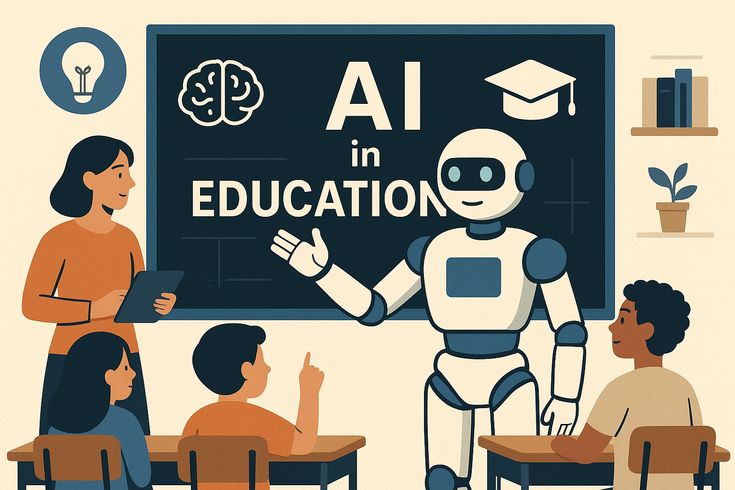

Artificial Intelligence (AI) is becoming a part of our everyday lives. From virtual assistants that help us manage tasks to algorithms that recommend our next binge-watch, AI is everywhere. But what about its role in education? As classrooms become more tech-savvy, the integration of AI tools is not just a possibility—it’s already happening. This evolution raises important questions about the future of teaching and how educators fit into this new landscape.
Teachers have always been at the heart of learning, guiding students through challenges and fostering curiosity. In an era where machines can analyze data faster than we can blink, it’s easy to wonder: What does this mean for teachers? Will they be replaced by technology or will they find ways to work alongside these innovations?
Let’s explore how AI transforms education, impacts teachers’ roles, and opens doors for collaboration between human intuition and technological prowess. The journey promises to be fascinating!
How AI is Changing the Education Landscape
Artificial Intelligence is reshaping education in remarkable ways. From personalized learning experiences to data-driven insights, AI tailors content to meet individual student needs.
Adaptive learning platforms analyze students’ strengths and weaknesses, providing resources that fit their unique learning styles. This ensures no one falls behind.
AI-powered tools also automate administrative tasks. Teachers can spend more time on instruction rather than paperwork. With chatbots handling queries, classrooms run smoother.
Additionally, virtual assistants can enhance remote learning environments by offering real-time feedback and support. Students feel engaged even from afar.
As a result, educators are empowered to focus on creativity and critical thinking skills rather than rote memorization alone. The landscape of education is evolving rapidly with AI at its core—changing the way teachers teach and students learn in profound ways.
The Impact of AI on Teachers
AI is reshaping the teaching profession in profound ways. Educators are experiencing a shift from traditional methods to innovative approaches that incorporate technology into daily learning.
Teachers now have access to sophisticated tools capable of analyzing student data instantly. This allows for personalized lesson plans tailored to each student’s needs, promoting individual growth and engagement.
However, the role of teachers is evolving rather than diminishing. They become facilitators who guide students through complex information landscapes. Instead of merely delivering content, educators help learners navigate resources powered by AI.
Moreover, AI can assist with administrative tasks like grading and attendance tracking. This gives teachers more time to focus on what truly matters: connecting with their students and fostering a love for learning.
As AI continues to advance, it creates opportunities for professional development as well, enabling educators to expand their skill sets effectively while staying relevant in an ever-changing landscape.
The Importance of Adaptability in Teaching
Adaptability is a vital skill for modern educators. The rapid changes brought by technology demand that teachers remain flexible in their approach.
As students interact with AI tools, the traditional methods of teaching may no longer be effective. Teachers must be open to new ideas and techniques that resonate with today’s learners.
This flexibility allows educators to adjust lesson plans on the fly, catering to diverse learning styles and needs. A one-size-fits-all model simply doesn’t work anymore.
Moreover, being adaptable fosters a growth mindset among students. When teachers demonstrate resilience in trying new strategies, they encourage pupils to embrace challenges as opportunities for growth.
Incorporating feedback loops into teaching practices also enhances adaptability. By assessing what works and what doesn’t, educators can refine their approaches continuously.
A teacher’s ability to shift gears not only improves classroom dynamics but also prepares students for an ever-evolving world outside of school walls.
Ways Teachers Can Embrace AI in the Classroom
Teachers can leverage AI tools to personalize learning experiences for their students. By using adaptive learning software, they can tailor lessons based on individual progress and needs. This technology provides real-time feedback, helping educators adjust their teaching methods accordingly.
Incorporating AI-driven platforms allows teachers to automate administrative tasks like grading quizzes or managing attendance. This saves valuable time that can be redirected toward engaging with students more effectively.
Moreover, virtual assistants powered by AI can answer common questions from students outside of class hours. Such support fosters a more collaborative environment while ensuring learners feel connected even when the teacher isn’t available.
Using data analytics, teachers can gain insights into student performance trends. These insights enable targeted interventions, making it easier to identify those who may need extra help and offering timely resources tailored specifically for them.
Addressing Concerns about Job Replacement
The rise of artificial intelligence often sparks anxiety among educators about job security. It’s a valid concern, but the narrative needs to shift.
AI is designed to complement human capabilities, not replace them. Teachers bring empathy, creativity, and critical thinking—qualities that machines cannot replicate. This emotional connection fosters learning in ways algorithms simply cannot match.
Moreover, AI can handle administrative tasks like grading or scheduling. By relieving teachers of these burdens, they gain more time for personalized instruction and mentorship.
Collaboration between teachers and AI can enhance educational outcomes. Instead of viewing technology as a threat, embracing it opens doors for innovative teaching methods.
Engaging with AI tools could actually empower educators to focus on what matters most: inspiring students and cultivating their potential in an ever-evolving world.
Conclusion: The Future of Teaching and AI Collaboration
The relationship between teachers and artificial intelligence is evolving in remarkable ways. As AI continues to shape the educational landscape, it’s clear that educators are not becoming obsolete; rather, they are adapting and transforming their roles.
Teachers now have the opportunity to harness AI tools to enhance learning experiences. By integrating technology into their teaching methods, they can provide personalized education tailored to individual student needs. This collaboration allows teachers more time for meaningful interactions with students while supporting diverse learning styles.
Moreover, addressing concerns about job displacement leads us to a pivotal realization: human connection remains irreplaceable in education. Teachers bring empathy, understanding, and mentorship—qualities that machines cannot replicate. The future lies in a partnership where technology aids educators rather than replaces them.
As we look ahead, it’s important for teachers to embrace change as an ally rather than a threat. Those who adapt will find themselves at the forefront of an exciting new era in education—one where innovation meets inspiration seamlessly. Embracing this collaborative spirit could redefine how knowledge is imparted and ensure that both students and teachers thrive together in this technological age.