


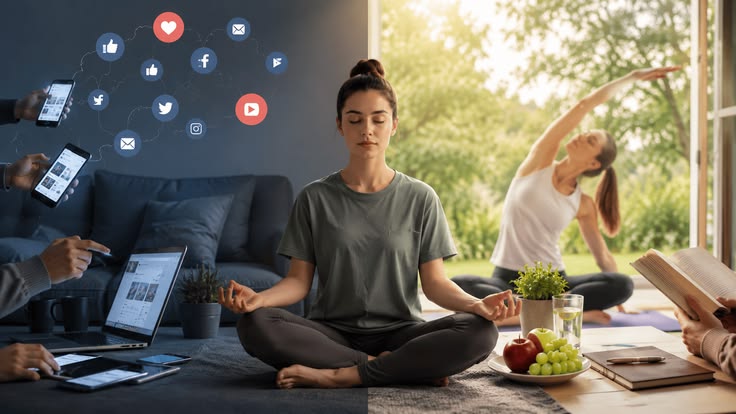

Digital technology has woven itself into the very fabric of our lives, transforming how we interact, work, and even relax. The devices we once saw as mere gadgets have evolved into essential tools that shape our daily decisions. From smartphones buzzing with notifications to smart home devices anticipating our needs, every click and swipe nudges us in a direction we might not even recognize.
As digital platforms continue to expand their reach, they influence everything from the way we communicate to the jobs available in today’s market. But it’s not just about productivity; this technological wave also impacts our health routines and leisure activities. With each advancement comes new choices that define what modern living looks like.
Join me as we explore how these dynamic changes are sculpting our lifestyles today—sometimes for better, sometimes for worse—and discuss ways to navigate through them thoughtfully.
Impact on Communication and Social Connections
Digital technology has transformed how we communicate. Instant messaging, social media platforms, and video calls allow us to connect with others across the globe in mere seconds. This convenience fosters relationships that may have been impossible a couple of decades ago.
However, it also brings challenges. While we can chat with friends anytime, face-to-face interactions often take a backseat. Some people find themselves more comfortable behind screens than engaging in real-life conversations.
Moreover, the rise of online communities has created new bonds based on shared interests. These virtual friendships can be deeply fulfilling but might lack the depth found in traditional connections.
The nuances of body language and tone can sometimes get lost in translation through text or emojis. As our digital lives grow richer, navigating this balance becomes crucial for maintaining meaningful relationships both online and offline.
Changes in Work Environment and Career Opportunities
The rise of digital technology has reshaped the modern workplace. Remote work is now more common than ever, allowing employees to connect from anywhere in the world. This flexibility can lead to a better work-life balance.
Collaboration tools have revolutionized team dynamics. With platforms like Slack and Zoom, teams can communicate seamlessly regardless of location. This fosters innovation and enhances productivity.
Career opportunities have expanded too. Professionals are no longer limited by geographical boundaries when seeking jobs. Companies can tap into talent pools across the globe, creating a diverse workforce.
On top of that, automation is changing job roles rapidly. Many tasks once done manually are being handled by AI or software solutions, leading individuals to adapt their skills continuously.
Embracing lifelong learning becomes essential in this fast-paced environment as workers seek to stay relevant in their fields while navigating these changes.
Health and Wellness Effects
Digital technology has reshaped our approach to health and wellness. Wearable devices now track everything from heart rates to sleep patterns, giving us insights into our well-being.
Apps for meditation and fitness encourage healthier choices. With just a tap, you can access guided workouts or mindfulness sessions that were once hard to find. This accessibility fosters motivation and accountability.
However, there’s a flip side. The constant stream of notifications can lead to stress and anxiety. Social media often depicts unrealistic standards of beauty or success, which may affect self-esteem.
Screen time also impacts physical health. Prolonged periods in front of screens contribute to issues like eye strain and poor posture. Balancing digital engagement with offline activities is essential for maintaining overall wellness.
As we navigate this tech-driven landscape, recognizing these effects becomes crucial in making informed lifestyle decisions.
Influence on Education and Learning
Digital technology has transformed the landscape of education. Classrooms are no longer confined to four walls. With online platforms, students can learn from anywhere in the world.
Interactive tools enhance engagement and retention. Virtual reality offers immersive experiences that textbooks simply cannot match. Students can explore historical sites or dive into the ocean without leaving their homes.
Online courses provide flexibility for diverse learning styles. Whether someone prefers videos, quizzes, or discussions, there’s an option available that suits them best. This democratization of knowledge allows learners from various backgrounds to access high-quality resources.
Collaboration has also taken on new forms through digital forums and group projects conducted via cloud-based applications. Students develop teamwork skills while communicating across distances.
However, this reliance on technology demands self-discipline and focus. With countless distractions at our fingertips, maintaining motivation is key in achieving academic success today.
Effects on Entertainment and Leisure Activities
Digital technology has transformed how we experience entertainment and leisure. Gone are the days when we relied solely on television or radio for our favorite shows and music.
Streaming services now offer a vast library of content at our fingertips. We can binge-watch entire seasons in one sitting, creating new ways to enjoy stories. This shift also allows for more diverse voices and genres than ever before.
Gaming has evolved significantly too. Multiplayer online games connect players globally, fostering communities that transcend borders. Virtual reality takes immersion to another level, making us feel as if we’re part of the action.
Social media platforms have changed how we share experiences. Whether it’s posting about a concert or live-tweeting an event, sharing moments with others is instantaneous and engaging.
Yet this digital landscape raises questions about balance. As convenience increases, so does the risk of overindulgence in screen time during our leisure hours.
Conclusion: Finding a Balance in the Digital Age
The rapid integration of digital technology into our lives offers both opportunities and challenges. As we navigate through communication, work, health, education, and entertainment in this tech-driven world, it’s essential to remain mindful of how these advancements shape our choices.
Striking a balance between embracing innovation and maintaining the human connections that matter is key. While the convenience of instant messaging can enhance relationships, nothing can replace face-to-face interactions. In professional settings, leveraging remote work options can lead to greater flexibility but also necessitates boundaries to prevent burnout.
In terms of health and wellness, technology provides tools for monitoring fitness but risks fostering sedentary lifestyles if not managed wisely. Education has transformed with online resources; however, hands-on experiences still play an irreplaceable role in learning.
As we indulge in digital entertainment options like streaming services or social media platforms, it’s crucial to be aware of their impact on our time management and mental well-being. A conscious effort toward moderation will help us reap the benefits without losing sight of what enriches our lives offline.
Navigating this landscape means making intentional choices about when to unplug and engage with the world around us. Finding harmony between digital conveniences and authentic living creates a fulfilling modern lifestyle that resonates deeply within ourselves and those we cherish.