


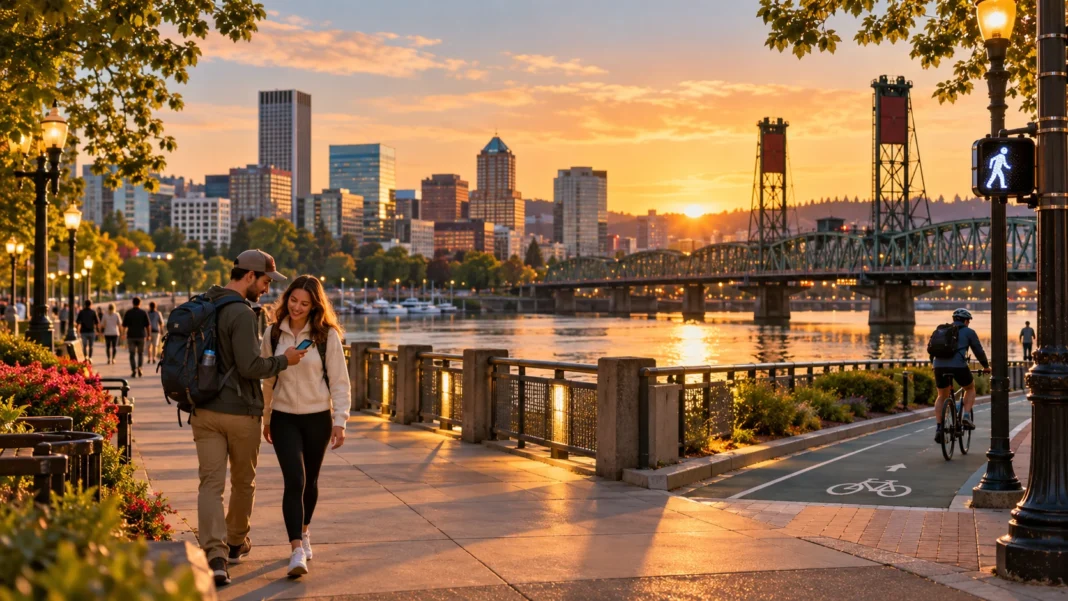

Portland, Oregon, is one of the Pacific Northwest’s most distinctive travel destinations, known for its beautiful parks, creative neighborhoods, independent restaurants, and scenic natural surroundings. However, travelers planning a trip often wonder about safety because of news reports discussing crime, homelessness, and challenges affecting certain urban areas. Understanding the actual travel environment can help visitors make informed decisions.
So, is Portland Oregon safe to visit? Generally, yes. Portland remains a popular destination where visitors can explore major attractions, enjoy local culture, and discover beautiful outdoor spaces. Like other large American cities, however, safety conditions vary between neighborhoods, and travelers should remain aware of their surroundings, particularly at night and around unfamiliar locations.
This Portland travel safety guide explains the city’s safety conditions, common risks, neighborhood considerations, and practical precautions. Whether you are visiting with family, traveling alone, or exploring the city for the first time, understanding local conditions can help you enjoy Portland with greater confidence.
Is Portland Oregon Safe for Tourists in 2026?
Portland is generally considered a manageable destination for tourists who follow ordinary urban safety precautions. Popular attractions, hotels, restaurants, and cultural districts continue welcoming visitors throughout the year. Many travelers explore the city without experiencing serious safety problems, although individual circumstances and neighborhood conditions can influence their experiences.
The city’s public safety challenges include property crime, occasional disruptive behavior, and concerns affecting certain downtown streets. These issues do not mean that every neighborhood is unsafe or that visitors should avoid Portland entirely. Instead, travelers benefit from understanding their surroundings and planning transportation carefully, especially during evening activities.
Portland has also introduced various initiatives involving downtown security, public transportation safety, and neighborhood improvements. Nevertheless, no city can guarantee a completely risk-free experience. Visitors should consider current local conditions, choose suitable accommodations, and practice sensible precautions rather than relying exclusively on alarming headlines or overly reassuring descriptions.
Understanding Portland’s Crime and Safety Situation
Portland’s crime situation includes different categories of incidents that affect residents and visitors in different ways. Property-related offenses, such as theft and vehicle break-ins, are particularly relevant to travelers carrying luggage, electronic devices, or valuable belongings. Understanding these risks can help visitors take practical preventive measures.
Violent crime is another important public safety concern, although its distribution varies across locations and circumstances. Citywide crime statistics do not automatically describe the likelihood that an individual tourist will experience an incident. Factors such as activity, location, time of day, and personal circumstances influence exposure to different risks.
Crime patterns can change over time, making recent neighborhood-level information more useful than outdated generalizations. Travelers should avoid assuming that an entire district is dangerous based on isolated incidents. A balanced understanding of local safety conditions helps visitors make reasonable choices without developing unnecessary fear about exploring the city.
Is Downtown Portland Safe to Visit?
Downtown Portland remains an important destination for shopping, dining, cultural attractions, and sightseeing. Visitors can explore museums, public spaces, bookstores, and restaurants while enjoying convenient transportation connections. Many central streets are active during business hours, particularly around established commercial and hospitality areas.
However, downtown safety conditions can vary significantly between individual blocks. Some streets may feel busy and welcoming, while others experience fewer pedestrians or more visible social challenges. Visitors should remain attentive, especially when walking through unfamiliar areas after dark or carrying expensive belongings.
Choosing accommodation near established tourist amenities can make exploring downtown more convenient. Well-lit streets, active businesses, and accessible transportation are useful considerations when planning routes. Travelers who feel uncomfortable in a particular location should calmly move toward a busier public area or seek assistance from appropriate local services.
Is Old Town Chinatown Safe for Tourists?
Old Town Chinatown is a historic district containing important cultural landmarks, architecture, and connections to Portland’s early development. It is also an area where visitors may encounter visible homelessness, public disorder, or other urban safety concerns. Conditions can vary considerably between streets and at different times.
Daytime sightseeing may be comfortable around active businesses and established attractions, particularly when travelers remain aware of their surroundings. However, some quieter streets may feel less welcoming, especially after business hours. Visitors should evaluate current conditions rather than assuming that every part of the district presents the same level of risk.
Experiencing homelessness does not automatically make someone dangerous, and it is important to avoid unfair assumptions about individuals. Travelers can maintain personal boundaries, respect others, and avoid confrontations without treating vulnerable people as threats. Choosing well-traveled routes and planning evening transportation are reasonable precautions when visiting unfamiliar urban districts.
Safest Areas to Stay in Portland Oregon
Selecting accommodation is an important part of planning a comfortable Portland vacation. Popular visitor areas include the Pearl District, Northwest Portland, and established downtown hotel corridors. These neighborhoods offer access to restaurants, public transportation, cultural attractions, and other amenities that can make sightseeing convenient.
The Pearl District is known for its converted industrial buildings, galleries, shops, and walkable streets. Northwest Portland also attracts visitors with its restaurants, historic residential character, and proximity to several attractions. However, neighborhood reputations do not guarantee safety, and individual accommodation locations should still be evaluated carefully.
Before booking, consider recent hotel reviews, building security, transportation access, and the surrounding street environment. A centrally located property can reduce the need for unfamiliar late-night journeys. Travelers should prioritize reliable accommodations and practical convenience rather than selecting hotels based exclusively on price or broad neighborhood descriptions.
Is Portland Safe to Walk Around During the Day?
Walking is one of the most enjoyable ways to explore Portland because many central neighborhoods contain compact streets and interesting attractions. Areas with shops, cafés, parks, and cultural landmarks often provide pleasant daytime walking experiences. Visitors can discover local architecture, public art, and independent businesses while exploring at a comfortable pace.
Daytime walking safety still requires attention to traffic, personal belongings, and changing surroundings. Pedestrians should use designated crossings, follow traffic signals, and remain aware of cyclists and vehicles. Avoiding unnecessary distractions near busy intersections can help prevent accidents while navigating unfamiliar city streets.
Travelers should also consider weather conditions, comfortable footwear, and the distance between attractions. Some neighborhoods contain steep streets, uneven surfaces, or construction areas that may affect walking routes. Planning realistic journeys and checking current conditions can make daytime exploration more comfortable and enjoyable.
Is Portland Safe at Night?
Portland has restaurants, theaters, music venues, and entertainment districts that attract visitors during the evening. Many people enjoy nighttime activities without encountering serious problems. However, walking conditions can feel different after dark because some streets have fewer pedestrians and businesses may close earlier.
Travelers should generally favor well-lit routes with active businesses and avoid unnecessary shortcuts through isolated areas. Planning how to return to accommodation before leaving for an evening activity can reduce confusion. Using a reputable transportation service may be preferable when a destination is distant or the surrounding streets feel uncomfortable.
Personal awareness is particularly important when exploring unfamiliar nightlife areas. Keep essential belongings secure, remain attentive to your surroundings, and avoid confrontations with strangers. If a situation feels unsafe, moving toward a staffed business or another populated location is usually more sensible than remaining in an uncomfortable environment.
Is Portland Public Transportation Safe?
Portland has a well-developed public transportation network that includes TriMet buses, MAX light rail, and the Portland Streetcar. These services connect many popular neighborhoods, visitor attractions, and transportation hubs. Public transit provides a convenient alternative to driving, especially for travelers staying within the city’s central areas.
Like transportation systems in other major cities, Portland transit occasionally experiences disruptive behavior or safety incidents. Most journeys are routine, but passengers should remain aware of their surroundings and keep personal belongings close. Choosing occupied carriages or seating areas near other passengers may improve comfort during quieter travel periods.
Travelers should verify routes and service schedules before departure, particularly during evenings or weekends. Transit staff and designated security personnel may provide assistance when problems arise. Following posted rules, respecting other passengers, and remaining attentive around platforms and road crossings can help make public transportation a practical travel option.
Is Portland Safe for Solo Travelers?
Portland can be an enjoyable destination for solo travelers interested in food, art, bookstores, gardens, and outdoor attractions. Many neighborhoods provide opportunities to explore independently using public transportation or walking routes. Planning activities around established visitor areas can make solo sightseeing more convenient and comfortable.
Solo travelers should consider their accommodation location, transportation plans, and familiarity with different neighborhoods. Sharing a general itinerary with someone trusted and keeping essential contact information accessible can provide additional reassurance. It is also useful to know how to reach accommodation without relying on unfamiliar late-night walking routes.
Traveling alone does not automatically mean facing greater danger, but independent travelers must make their own decisions when circumstances change. Remaining alert, choosing reliable transportation, and respecting personal comfort levels are useful habits. With reasonable preparation, visitors can enjoy Portland’s distinctive attractions while maintaining practical awareness.
Is Portland Safe for Families With Children?
Portland offers numerous family-friendly attractions, including the Oregon Zoo, OMSI, Washington Park, and beautiful public gardens. These destinations provide educational and recreational experiences suitable for different ages. Many families visit Portland to enjoy museums, natural spaces, and cultural activities together.
Family travel planning should focus on comfortable transportation, accessible facilities, and appropriate supervision. Parents and caregivers may prefer attractions with established visitor services, clear entrances, and convenient parking or public transit connections. Checking opening hours and local conditions before departure can help prevent unnecessary complications.
Children should remain appropriately supervised in crowded public spaces, near roads, and around transportation platforms. Families can also discuss simple safety expectations before exploring unfamiliar neighborhoods. Choosing attractions according to children’s interests and abilities helps create a relaxed visit without placing unnecessary attention on alarming citywide safety claims.
How Common Are Car Break-Ins in Portland?
Vehicle break-ins are an important property crime concern for visitors traveling by car. Rental vehicles can be particularly vulnerable when luggage, electronic devices, or shopping bags are visible inside. Even a short parking stop may create an opportunity for theft when valuable belongings are left unattended.
Travelers should remove valuables from vehicles whenever possible and avoid using parked cars as luggage storage. If luggage must be transported between locations, arranging secure storage through accommodation providers may be preferable. Parking in established facilities can offer additional convenience, although no parking location guarantees protection against theft.
Before leaving a vehicle, check that doors are locked and windows are closed properly. Avoid displaying electronic accessories or other items that may attract attention. These straightforward precautions are useful throughout Portland and apply equally to parking areas near parks, tourist attractions, and suburban destinations.
Understanding Homelessness and Public Safety in Portland
Homelessness is a visible social challenge in parts of Portland, particularly within some central urban areas. Visitors may encounter people living outdoors, temporary shelters, or individuals requesting assistance. These situations can influence how certain streets feel, but visible poverty should not automatically be confused with criminal activity.
Homelessness has complex causes involving housing affordability, economic circumstances, healthcare access, and other social factors. Most people experiencing homelessness are not seeking confrontations with visitors. Respectful behavior and appropriate personal boundaries allow travelers to navigate public spaces without stigmatizing vulnerable individuals.
If someone requests assistance, visitors can respond politely according to their comfort level without feeling obligated to engage. Avoid photographing people without permission or escalating uncomfortable interactions. When encountering a genuine safety concern, move toward a populated area and seek appropriate assistance rather than making assumptions based on someone’s appearance or housing situation.
Are Portland’s Major Tourist Attractions Safe?
Portland’s major visitor attractions generally provide organized environments designed to accommodate tourists and local residents. Popular destinations include Washington Park, the International Rose Test Garden, Powell’s City of Books, and several museums. These locations attract many visitors interested in the city’s cultural and natural offerings.
Safety at individual attractions depends on ordinary factors such as crowd levels, weather, transportation, and personal belongings. Busy places can present opportunities for minor theft, while outdoor destinations may contain uneven trails or changing conditions. Following attraction rules and remaining aware of surroundings can reduce common travel risks.
Visitors should check opening schedules, access restrictions, and transportation arrangements before planning major sightseeing activities. Parks and natural areas deserve particular attention during periods of heavy rain, darkness, or severe weather. Proper preparation allows travelers to enjoy Portland’s attractions without unnecessary inconvenience or avoidable safety problems.
Weather-Related Safety Risks in Portland
Portland’s climate is generally mild compared with many other American cities, but seasonal weather can still influence travel safety. Autumn and winter often bring frequent rain, cloudy conditions, and occasional storms. Wet sidewalks, reduced visibility, and slippery outdoor surfaces can affect walking and driving.
Summer usually provides warmer, drier conditions, although occasional heat waves and wildfire smoke can create additional concerns. Travelers should pay attention to weather forecasts and air quality information when planning outdoor activities. People with respiratory sensitivities may need to adjust plans when smoke or other air quality issues become significant.
Winter can occasionally bring snow or freezing rain that disrupts transportation and makes roads hazardous. Visitors unfamiliar with local conditions should avoid unnecessary travel during severe weather events. Carrying suitable clothing, allowing extra transportation time, and following official safety alerts can help reduce weather-related difficulties.
Is Portland Safe for Driving and Rental Cars?
Driving in Portland is generally manageable for visitors familiar with American traffic rules and urban road conditions. However, the city contains busy intersections, bicycle lanes, streetcar routes, and pedestrian-heavy areas. Drivers should remain attentive and understand local signs before navigating unfamiliar streets.
Rain can reduce visibility and create slippery road surfaces, particularly during autumn and winter. Drivers should allow sufficient stopping distance and adjust speed according to weather conditions. Additional caution is appropriate near schools, public transportation corridors, and areas with substantial pedestrian or cycling activity.
Rental car users should understand parking restrictions and avoid leaving valuables unattended. Choosing secure accommodation parking and planning routes in advance can make driving more convenient. Visitors exploring only central Portland may find public transportation sufficient, while a car can be helpful for selected trips outside the city.
Common Tourist Scams and How to Avoid Them
Travelers in Portland may encounter ordinary urban scams involving misleading payment requests, suspicious messages, or fraudulent booking offers. These risks are not unique to Portland and can occur in many popular destinations. Being cautious with financial information and unfamiliar communications helps reduce potential exposure.
Before making travel payments, verify accommodation reservations and transportation arrangements through established providers. Avoid sharing sensitive personal details with strangers or responding to unexpected requests for banking information. If a message claims that a reservation requires urgent payment, confirm the situation independently rather than relying on links within the message.
Public transportation and sightseeing purchases should also be made through authorized services. Travelers should understand prices before accepting paid services and keep receipts for important transactions. Basic financial awareness can help prevent avoidable problems while allowing visitors to focus on enjoying their trip.
Emergency Services and What to Do If You Feel Unsafe
Knowing how to access emergency assistance is an important part of travel preparation. In Portland, the emergency telephone number is 911 for situations requiring immediate police, fire, or medical assistance. Travelers should use this service when facing genuine emergencies rather than routine questions or nonurgent concerns.
For nonemergency situations, Portland provides separate municipal and police assistance channels. Visitors may also seek help from hotel staff, transportation employees, or established visitor information services. Describing the situation clearly and providing an accurate location can help the appropriate personnel respond effectively.
If you feel unsafe in a public place, prioritize moving toward a populated, well-lit location when possible. Avoid unnecessary confrontation and seek assistance from suitable staff or emergency services. Keeping your phone charged and knowing your accommodation address can make unexpected situations easier to manage.
Best Time to Visit Portland for a Comfortable Trip
The best time to visit Portland depends on weather preferences, sightseeing interests, and planned outdoor activities. Late spring through early autumn generally offers favorable conditions for exploring parks, neighborhoods, and nearby natural attractions. Summer is especially popular for festivals, gardens, and outdoor recreation.
Spring brings blooming flowers and pleasant scenery, although rain remains common. Autumn offers colorful foliage and fewer visitors at some attractions, but weather conditions become wetter as the season progresses. Travelers who prefer indoor activities may also enjoy Portland’s museums, bookstores, restaurants, and cultural experiences throughout the year.
Seasonal conditions can affect safety in different ways, including reduced visibility, slippery surfaces, heat, or occasional air quality concerns. Visitors should consider these factors when planning transportation and outdoor excursions. Choosing flexible activities and checking local forecasts helps create a more comfortable travel experience.
Essential Safety Tips for First-Time Portland Visitors
First-time visitors can improve their travel experience by researching accommodation locations and planning transportation before arrival. Staying near established attractions and convenient transit connections may reduce unnecessary travel complications. Familiarizing yourself with surrounding streets during daylight can also make navigating the city easier.
Keep valuables secure, avoid leaving belongings in parked vehicles, and remain aware of your surroundings in crowded areas. Use established transportation providers and verify unfamiliar payment requests carefully. These precautions are not unusual requirements specific to Portland but useful habits for visiting almost any major city.
Travelers should also remain flexible when neighborhood conditions, weather, or transportation schedules change. Listening to local guidance and making practical adjustments can prevent minor inconveniences from becoming larger problems. A balanced approach allows visitors to recognize genuine concerns while appreciating the many positive experiences Portland offers.
Conclusion
Portland, Oregon, is generally a reasonable destination for tourists who practice ordinary travel safety precautions. The city offers beautiful parks, interesting neighborhoods, cultural attractions, and a distinctive food scene. Although property crime and certain urban challenges remain concerns, these issues do not mean visitors should automatically avoid the city.
Understanding neighborhood differences, choosing suitable accommodation, and planning transportation can improve the overall travel experience. Visitors should be particularly mindful of vehicle security, unfamiliar streets at night, and changing weather conditions. Staying informed about local conditions helps travelers make practical decisions without relying on exaggerated impressions.
Ultimately, whether Portland feels safe depends partly on where you go, when you travel, and how you prepare. Many visitors enjoy the city’s attractions without major difficulties, while sensible precautions can reduce common risks. With thoughtful planning and realistic expectations, Portland can offer an enjoyable and memorable Pacific Northwest vacation.
Frequently Asked Questions (FAQs)
1. Is Portland Oregon safe for tourists in 2026?
Portland is generally safe for tourists who follow ordinary urban precautions. Some areas experience property crime and public safety challenges, so visitors should research accommodations, secure belongings, and remain aware of their surroundings.
2. Is downtown Portland safe to walk around?
Downtown Portland is generally accessible for daytime sightseeing, with shops, restaurants, museums, and public transportation. At night, visitors should favor active, well-lit streets and consider reliable transportation when traveling longer distances.
3. What are the safest areas to stay in Portland?
The Pearl District, Northwest Portland, and established downtown hotel areas are popular accommodation choices. Safety conditions vary by property and street, so check recent reviews, security features, and transportation access.
4. Is Portland safe for families and solo travelers?
Yes, Portland can be suitable for families and solo travelers. Choosing established attractions, planning transportation, staying aware of surroundings, and following common travel precautions can support a comfortable and enjoyable visit.
5. What should tourists avoid in Portland?
Tourists should avoid leaving valuables in parked cars, taking unnecessary shortcuts through isolated streets at night, and engaging with suspicious financial requests. Checking weather conditions and following local safety guidance is also important.