


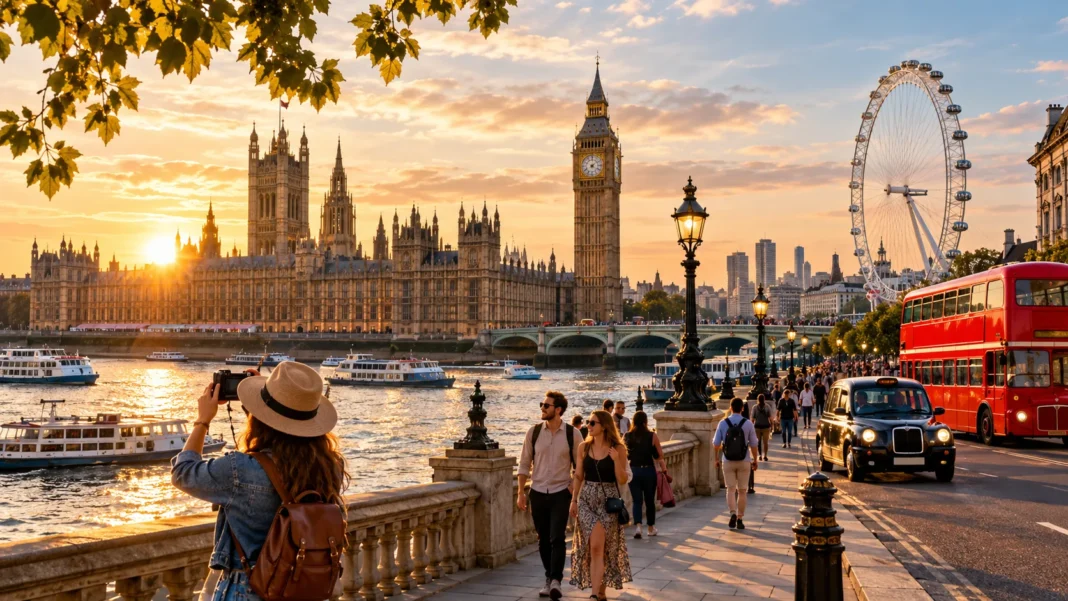

London is one of the world’s most exciting travel destinations, offering a remarkable combination of historic landmarks, royal palaces, fascinating museums, beautiful parks, and vibrant neighborhoods. From the iconic Big Ben to the magnificent Tower of London, the British capital attracts visitors with its centuries-old heritage and modern attractions. Exploring the top things to do in London is an unforgettable experience for history enthusiasts, families, photographers, and first-time travelers.
The city offers countless opportunities to discover British culture, admire impressive architecture, enjoy world-class entertainment, and experience its distinctive atmosphere. Visitors can explore famous museums, stroll beside the River Thames, discover traditional markets, and admire the city from panoramic viewpoints. Whether you prefer sightseeing, shopping, cultural experiences, or peaceful gardens, London provides attractions suitable for different interests and travel styles.
Planning a trip to London becomes easier when you understand which attractions deserve priority and how to organize your sightseeing schedule. Many famous landmarks are located close together, while others require additional travel time or advance tickets. This complete London travel guide explores must-see attractions, memorable experiences, and practical travel tips to help you discover the best of England’s remarkable capital.
1. Visit Big Ben and the Houses of Parliament
Big Ben is one of London’s most recognizable landmarks and an essential attraction for first-time visitors. The famous name technically refers to the Great Bell inside Elizabeth Tower, although people commonly use it for the entire clock tower. Standing beside the Palace of Westminster, this magnificent structure represents British history, architecture, and parliamentary traditions that continue to shape the country.
The Houses of Parliament are located along the River Thames and feature spectacular Gothic Revival architecture. Visitors can admire the impressive exterior from Westminster Bridge and surrounding pedestrian areas. Guided parliamentary tours are available on selected dates, providing opportunities to learn about British political history. Photography enthusiasts will appreciate the beautiful views across the river, especially during clear mornings.
The surrounding Westminster neighborhood includes several important attractions within walking distance. Westminster Abbey, Parliament Square, and nearby riverside paths make this an excellent starting point for exploring central London. Arriving early can provide a more relaxed sightseeing experience before the busiest visitor periods. Comfortable walking shoes are useful because the area offers numerous landmarks worth discovering.
2. Explore Buckingham Palace and Royal London
Buckingham Palace is one of the most famous royal residences in the world and an important symbol of the British monarchy. Located near St. James’s Park, the palace serves as the monarch’s official London residence and a setting for ceremonial events. Its grand architecture and historic significance make it one of the best places to visit in London.
The Changing of the Guard ceremony is a popular attraction that showcases British military tradition through a formal ceremonial display. Visitors gather near Buckingham Palace to watch the guards and accompanying musicians when the ceremony is scheduled. Dates and timings can change because of weather or official events. Checking arrangements beforehand helps avoid disappointment.
During selected periods, visitors may also have opportunities to explore the palace’s magnificent State Rooms through ticketed tours. The surrounding royal parks offer beautiful scenery and convenient walking routes. Green Park and St. James’s Park are particularly enjoyable for relaxing between sightseeing activities. Combining the palace with nearby attractions creates a memorable introduction to royal London.
3. Discover the Tower of London and Tower Bridge
The Tower of London is among Britain’s most historically significant attractions, with origins dating to the Norman period. This remarkable fortress has served as a royal residence, prison, treasury, and defensive stronghold over different centuries. Today, visitors can explore its ancient buildings and discover fascinating stories from British history. The site is especially appealing to travelers interested in medieval architecture.
One of the Tower’s most famous attractions is the Crown Jewels collection, which features ceremonial objects associated with the British monarchy. Visitors can also explore the White Tower and learn about the fortress’s historical development. Tours led by Yeoman Warders provide additional insights into its traditions. Allowing several hours makes it easier to appreciate the complex.
Nearby Tower Bridge is another spectacular London landmark, recognized for its two impressive towers and distinctive suspension elements. Visitors can admire the bridge from the Thames riverside or explore its exhibition areas with appropriate admission. The elevated walkways provide unusual perspectives of the city. Combining both attractions makes an excellent historical sightseeing experience in eastern central London.
4. Enjoy Panoramic Views From the London Eye
The London Eye is one of the city’s most popular modern attractions, offering impressive views of London’s skyline. Located along the South Bank of the River Thames, this giant observation wheel provides a distinctive sightseeing experience. Its spacious observation capsules rise above the surrounding buildings, revealing famous landmarks from a different perspective. The experience is especially memorable during clear weather.
A standard rotation takes approximately thirty minutes, allowing visitors to observe landmarks such as Big Ben, the Palace of Westminster, and sections of the Thames. The slowly moving capsules provide plenty of time for photography and sightseeing. Sunset visits can be particularly attractive when evening light illuminates the city. Visibility naturally depends on weather conditions.
The South Bank surrounding the London Eye is also worth exploring because it offers riverside walkways, restaurants, entertainment venues, and cultural attractions. Visitors can enjoy views across Westminster Bridge or continue walking toward other famous locations. Booking observation wheel tickets ahead of time may help secure preferred entry periods. This area provides an enjoyable combination of sightseeing and waterfront atmosphere.
5. Explore the British Museum and London’s Art Galleries
London is famous for its outstanding museums and galleries, many of which offer free admission to their permanent collections. The British Museum is among the city’s most visited cultural institutions, featuring objects representing thousands of years of human history. Its extensive collections introduce visitors to civilizations from different parts of the world. The museum is particularly appealing to history enthusiasts.
Notable displays include the Rosetta Stone, ancient Egyptian artifacts, and sculptures from classical civilizations. Visitors can explore different galleries while learning about artistic traditions, historical societies, and archaeological discoveries. The museum’s impressive Great Court is also an architectural highlight. Some exhibitions require separate tickets, so visitors should confirm arrangements before arriving.
Art lovers can also explore the National Gallery in Trafalgar Square and Tate Modern beside the Thames. The National Gallery is celebrated for its collection of European paintings, while Tate Modern focuses on modern and contemporary art. These institutions provide contrasting cultural experiences. Including museums in your itinerary is especially useful during rainy London weather.
6. Visit Westminster Abbey and St. Paul’s Cathedral
Westminster Abbey is one of London’s most important historic religious landmarks, known for its connection with British coronations, royal weddings, and national ceremonies. The building features remarkable Gothic architecture and centuries of historical significance. Visitors can explore memorials, beautiful interiors, and important burial sites. Its location near Parliament makes it convenient for central London sightseeing.
The abbey contains monuments associated with prominent historical figures, including writers, scientists, and members of the royal family. Audio guides and organized tours can provide additional context about its history. Visitors should remember that Westminster Abbey remains an active place of worship. Sightseeing access and opening hours may change because of religious services or special events.
St. Paul’s Cathedral is another architectural masterpiece, recognized for its magnificent dome and prominent position in the London skyline. Designed by Sir Christopher Wren, it offers an extraordinary example of English Baroque architecture. Visitors can explore selected interior spaces and galleries when accessible. Both religious landmarks provide memorable experiences for travelers interested in history, architecture, and British culture.
7. Discover Covent Garden and London’s Famous Markets
Covent Garden is one of the most charming areas in central London, known for its historic market buildings, independent shops, restaurants, and lively atmosphere. Visitors can explore elegant shopping streets while enjoying the neighborhood’s distinctive character. The famous market piazza frequently attracts performers and tourists. Its central location makes it a convenient addition to a walking itinerary.
The surrounding streets offer boutique shops, cafés, entertainment venues, and historic architecture. Nearby Seven Dials provides another attractive area for exploring independent businesses and colorful streets. Leicester Square and London’s theatre district are also within comfortable walking distance. Spending time in Covent Garden allows travelers to experience the city’s cultural atmosphere beyond traditional monuments.
Borough Market is another popular destination, particularly for visitors interested in food and local market culture. Located near London Bridge, it features numerous vendors offering fresh produce, prepared dishes, and specialty foods. Camden Market provides a different experience through alternative fashion, crafts, and street food. London’s markets reveal the city’s diversity and energetic everyday character.
8. Relax in Hyde Park and London’s Royal Gardens
London’s beautiful parks provide peaceful escapes from busy streets and crowded sightseeing areas. Hyde Park is one of the city’s most famous green spaces, offering expansive lawns, tree-lined paths, and attractive waterside scenery. Visitors can enjoy walking, relaxing, and observing everyday London life. Its central location makes it easy to combine outdoor activities with nearby attractions.
Kensington Gardens lies beside Hyde Park and features elegant landscapes, monuments, and the beautiful Kensington Palace surroundings. St. James’s Park offers picturesque views near Buckingham Palace, while Regent’s Park is known for its landscaped gardens and open spaces. Each park has a distinctive character. Exploring these locations provides a refreshing balance between historical sightseeing and relaxation.
Spring and summer often bring colorful flowers and lively outdoor activity, while autumn transforms many parks with golden foliage. Winter visits can also be atmospheric on clear days. Walking through London’s green spaces offers opportunities for photography and enjoying nature without expensive admission fees. These parks demonstrate how the city combines urban energy with accessible natural surroundings.
9. Experience Greenwich and London’s Maritime Heritage
Greenwich is a fascinating London neighborhood known for its maritime history, elegant architecture, and beautiful riverside setting. Located southeast of central London, the area features several important cultural attractions associated with Britain’s naval heritage. Visitors can explore historic buildings, museums, and landscaped parkland. Greenwich provides a distinctive experience beyond the busiest central sightseeing districts.
The Royal Observatory is particularly famous for its connection with the Prime Meridian, an important reference line used in global geography and timekeeping. Nearby attractions include the National Maritime Museum and the historic Cutty Sark sailing ship. The Old Royal Naval College also features impressive architecture. Together, these landmarks offer opportunities to discover scientific, maritime, and cultural history.
Greenwich Park provides beautiful elevated views toward the River Thames and London’s modern skyline. Visitors can also explore Greenwich Market, which offers crafts, food, and independent shopping opportunities. Traveling by rail or river transport can make the journey part of the experience. Spending several hours here allows travelers to appreciate a quieter but equally fascinating side of London.
10. Explore Notting Hill, Camden, and London’s Neighborhoods
London’s neighborhoods offer some of its most memorable experiences because each district has a distinctive atmosphere and cultural identity. Notting Hill is famous for its colorful houses, attractive streets, and charming residential architecture. The area has become especially popular among photographers and visitors seeking picturesque surroundings. Its relaxed character contrasts with the busier commercial districts.
Portobello Road Market is one of Notting Hill’s best-known attractions, particularly associated with antiques and vintage shopping. Visitors can browse market stalls, explore independent shops, and enjoy nearby cafés. Market activity varies throughout the week, making certain days more suitable for particular interests. Respecting residential privacy is important when photographing the neighborhood’s attractive streets.
Camden offers a different atmosphere through its alternative fashion, music heritage, colorful markets, and canalside scenery. Travelers can discover unusual shops, creative spaces, and varied food options. Shoreditch is another interesting neighborhood known for street art and contemporary culture. Exploring these districts helps reveal London’s personality beyond its world-famous tourist attractions.
11. Plan Your London Trip With Essential Travel Tips
Planning your London vacation carefully can help you experience major attractions without unnecessary rushing. The city is large, and transportation times can vary considerably between neighborhoods. Group nearby landmarks into the same sightseeing day whenever possible. Westminster attractions, for example, can be explored together, while the Tower of London and Tower Bridge form another convenient combination.
London’s public transportation network includes the Underground, buses, rail services, and other connections. Contactless payment methods and Oyster cards are commonly used for eligible journeys, with fares depending on transport rules and travel patterns. Walking is also enjoyable in many central districts. Check journey information before traveling and allow extra time during busy commuting periods.
The best time to visit London depends on your preferred activities, budget, and weather expectations. Spring and early autumn often provide comfortable sightseeing conditions, while summer offers longer daylight hours and numerous outdoor events. Winter brings festive decorations and seasonal experiences. Pack suitable layers and rain protection because London’s weather can change throughout the day.
Conclusion
London is a remarkable destination that combines world-famous landmarks, royal history, cultural attractions, and vibrant neighborhoods. From Buckingham Palace and the Tower of London to the British Museum and the London Eye, the city offers experiences for different interests. Exploring the top things to do in London provides opportunities to discover both its historic importance and modern character.
A successful London itinerary should balance major sightseeing attractions with time for parks, markets, museums, and local neighborhoods. Grouping nearby destinations makes transportation easier and allows more time to enjoy each location. Booking popular attractions in advance can also simplify your plans. Whether you are visiting for a weekend or an extended holiday, thoughtful preparation improves the experience.
Ultimately, London’s appeal comes from its extraordinary diversity and the many different experiences available throughout the city. You can admire historic architecture, explore world-class museums, discover colorful streets, and relax beside the River Thames. Choose attractions that match your interests and leave room for unexpected discoveries. With careful planning, your London vacation can become an unforgettable journey through one of Europe’s most exciting capitals.
Frequently Asked Questions (FAQs)
What are the top things to do in London for first-time visitors?
First-time visitors should consider Buckingham Palace, Big Ben, the Tower of London, Tower Bridge, the London Eye, and the British Museum. These attractions provide an excellent introduction to London’s history and culture.
How many days are enough to explore London?
Four to five days provide enough time to explore many famous landmarks, museums, parks, and neighborhoods. Travelers interested in additional attractions or day trips may prefer a week.
What are the best free attractions in London?
Popular free attractions include the British Museum’s permanent collection, the National Gallery’s permanent collection, Hyde Park, Greenwich Park, and many public markets. Special exhibitions or activities may require payment.
What is the best month to visit London?
May, June, and September are often excellent months for visiting London because they offer relatively comfortable sightseeing conditions. However, weather varies, and each season provides different attractions and experiences.
Is London expensive for tourists?
London can be expensive, particularly for accommodation and major ticketed attractions. Travelers can manage costs by using public transportation, visiting free museums, comparing accommodation options, and planning activities in advance.