


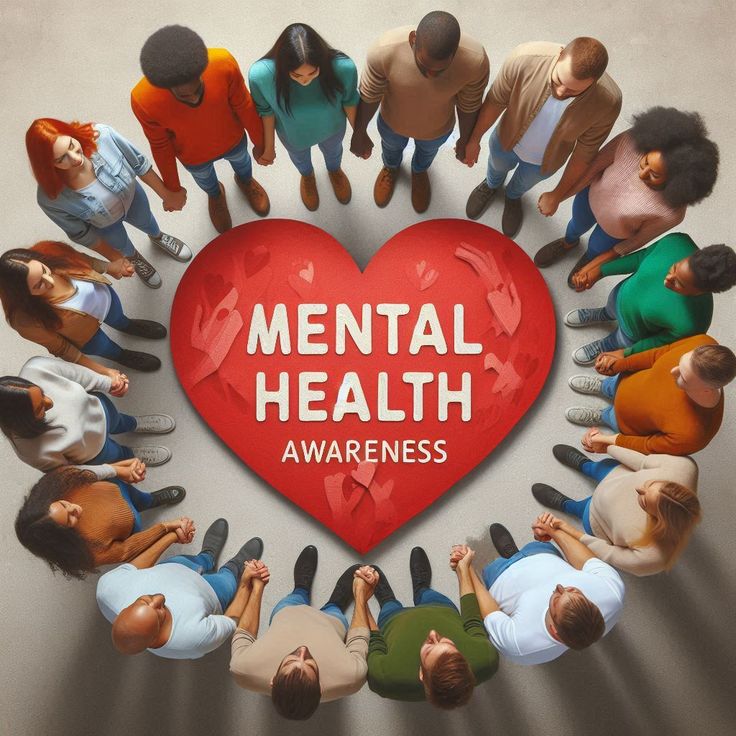

Mental health is an essential part of our overall well-being, yet it often remains shrouded in mystery and misunderstanding. In today’s fast-paced world, the topic has gained more attention than ever before. But what does mental health really mean? It goes beyond just feeling happy or sad; it’s about how we think, feel, and interact with others.
As society evolves, so do our perspectives on mental health. More people are beginning to recognize its importance and advocate for change. However, many still grapple with stigmas that cloud understanding and acceptance. This blog aims to unravel the complexities surrounding mental health in modern society—exploring common disorders, their triggers, the effects of technology, coping strategies, and much more.
Join us as we take a closer look at this vital aspect of life that affects millions worldwide. Understanding mental health isn’t just beneficial for those who struggle; it enriches our communities as a whole by fostering empathy and connection among individuals from all walks of life.
The Stigma Surrounding Mental Health
Mental health stigma remains a significant barrier for many individuals seeking help. Labels like “crazy” or “weak” often surface, leading to feelings of shame and isolation.
Society’s misconceptions can distort perceptions, making mental health issues seem less legitimate than physical ailments. This skewed perspective discourages open discussions about emotional struggles.
People may hesitate to share their experiences for fear of judgment or rejection. The silence perpetuates the cycle of misunderstanding and neglect.
Education plays a crucial role in dismantling this stigma. Increased awareness fosters empathy and encourages those suffering to seek support without fear.
Supportive communities are essential in changing narratives surrounding mental health. When we listen rather than judge, healing becomes more accessible for everyone involved.
Common Mental Health Disorders
Mental health disorders come in various forms, each affecting individuals differently. Anxiety disorders are among the most prevalent. They manifest through excessive worry and fear that can disrupt daily life.
Depression is another common issue. It often presents as persistent sadness or a loss of interest in activities once enjoyed. This disorder can drain energy and motivation, making even simple tasks feel overwhelming.
Bipolar disorder introduces dramatic mood swings, swinging between intense highs and deep lows. These shifts can impact behavior, relationships, and overall well-being.
Obsessive-compulsive disorder (OCD) involves unwanted thoughts that lead to compulsive behaviors aimed at reducing anxiety. This cycle can be exhausting for those affected.
Post-traumatic stress disorder (PTSD) arises from experiencing or witnessing traumatic events. Symptoms include flashbacks, nightmares, and severe anxiety about reminders of the trauma. Each condition highlights the complexity of mental health challenges faced by many today.
Causes and Triggers of Mental Health Issues
Mental health issues can arise from a complex interplay of various factors. Genetics often play a crucial role, making some individuals more susceptible to conditions like depression or anxiety.
Environmental influences are equally significant. Traumatic experiences such as abuse, neglect, or loss can leave lasting scars on mental well-being. Stressful life events—like job loss or relationship breakdowns—can trigger episodes in those already vulnerable.
Lifestyle choices cannot be overlooked either. Poor diet, lack of exercise, and insufficient sleep contribute to emotional struggles over time.
Social isolation amplifies these challenges. A weak support system may lead to feelings of loneliness and despair.
Understanding these causes helps shed light on the nuanced nature of mental health, reminding us that it’s not simply about willpower but rather a combination of biological, psychological, and social elements working together.
The Impact of Technology on Mental Health
Technology has transformed our lives in countless ways, yet its impact on mental health is complex. On one hand, social media connects people and fosters support networks. Online communities can provide comfort to those feeling isolated.
However, the constant barrage of information can lead to anxiety. The pressure to present a perfect life online often compounds feelings of inadequacy. Comparing ourselves with curated images can erode self-esteem.
Moreover, excessive screen time disrupts sleep patterns and increases stress levels. Notifications flood our minds with distractions, making it challenging to focus or unwind.
On the flip side, technology offers innovative solutions for mental health care. Teletherapy and mindfulness apps have made seeking help more accessible than ever before.
Navigating this digital landscape requires balance. Understanding how technology affects us allows for healthier consumption habits that prioritize well-being over endless scrolling.
Coping Mechanisms for Maintaining Good Mental Health
Coping mechanisms are essential tools for maintaining good mental health. They help individuals navigate challenges and stressors in daily life.
One effective strategy is mindfulness meditation. This practice encourages being present, reducing anxiety and improving emotional regulation. Even a few minutes each day can make a significant difference.
Physical activity also plays a vital role in mental well-being. Exercise releases endorphins, which boost mood and alleviate feelings of depression. Finding an enjoyable form of movement can turn exercise into a rewarding habit.
Journaling is another powerful coping mechanism. Writing down thoughts and emotions allows for reflection, fostering clarity and understanding of one’s feelings.
Social connections should not be overlooked either. Engaging with friends or family provides support and validation during tough times.
Setting boundaries helps manage stress levels effectively. Learning to say no protects your energy while prioritizing self-care ensures you remain mentally healthy amidst life’s demands.
Seeking Help and Support for Mental Health Issues
Reaching out for help can be a daunting step. Many people feel hesitant, fearing judgment or misunderstanding. However, seeking support is a sign of strength, not weakness.
Therapists and counselors provide safe spaces to explore feelings and thoughts without stigma. Finding the right professional can make all the difference in your journey toward better mental health.
Friends and family can also play a crucial role. Sharing your struggles with trusted loved ones fosters connection and understanding. You might find they face similar challenges.
Support groups offer additional avenues for connection. Meeting others who share similar experiences creates a sense of community that helps combat isolation.
Remember, you don’t have to navigate this path alone. Embracing vulnerability opens doors to healing and growth, guiding you toward brighter days ahead.
Addressing the Lack of Access to Mental Healthcare
Access to mental healthcare remains a significant challenge for many individuals. Barriers such as cost, location, and stigma often deter people from seeking the help they need.
In rural areas, finding qualified professionals can be nearly impossible. Long commutes or lack of transportation further complicate access. Urban environments may have more providers, but high demand often leads to long wait times.
Additionally, financial constraints prevent numerous individuals from affording therapy sessions or necessary medications. Insurance coverage is inconsistent and frequently inadequate in addressing mental health needs.
Teletherapy has emerged as a potential solution. It offers flexibility and convenience for those hesitant to visit in person. However, not everyone has reliable internet access or comfort with technology.
Raising awareness about these gaps is crucial. Communities must advocate for better resources and support systems that reach all demographics equally.
Promoting Awareness and Breaking the Silence Around Mental Health
Promoting awareness around mental health is crucial in dismantling the barriers of silence. Conversations must be encouraged, whether at home, work, or school.
Sharing personal experiences can create a ripple effect. When individuals open up about their struggles, it inspires others to do the same. This shared vulnerability fosters understanding and connection.
Educational initiatives play a vital role as well. Workshops and seminars can help demystify mental health issues. They provide tools for recognizing symptoms and promote empathy towards those affected.
Social media also serves as a double-edged sword; while it can spread misinformation, it has the power to connect people globally. Campaigns that highlight real stories resonate deeply with audiences.
Grassroots movements are emerging everywhere, advocating for change in communities. These efforts push for better resources and support systems that prioritize mental wellness without shame or fear of judgment.
Conclusion
Mental health is a crucial aspect of our overall well-being. As society evolves, it’s essential to foster an environment where conversations about mental health are normalized and encouraged. By understanding the stigma that surrounds it, recognizing common disorders, and identifying their causes and triggers, we can begin to dismantle barriers.
The influence of technology on mental health cannot be ignored. While it offers benefits like increased connectivity, there are also downsides such as cyberbullying and social comparison that can exacerbate feelings of anxiety or depression. Finding healthy coping mechanisms is vital for maintaining good mental health amidst these challenges.
Seeking professional help should never feel daunting or stigmatized. Everyone deserves access to quality care and support when navigating difficult times. Promoting awareness around mental health issues is not just beneficial; it’s necessary in fostering healthier communities.
By breaking the silence surrounding mental well-being, we can pave the way for acceptance and understanding. It’s time for open dialogues that empower individuals rather than isolate them based on their struggles with mental health. Together, we can create a future where everyone’s voice matters in this critical conversation about wellness.