


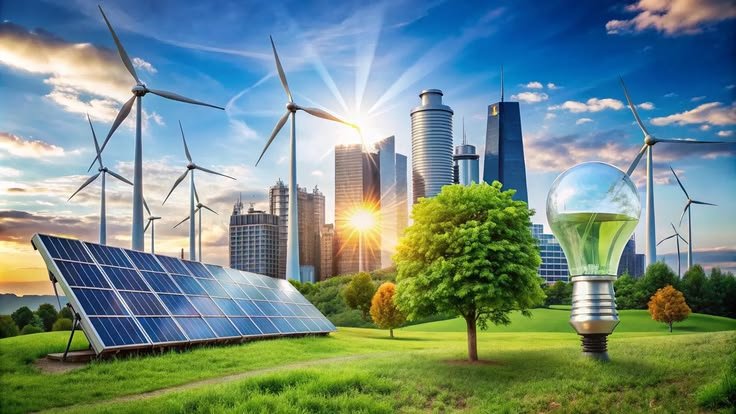

Renewable energy is expected to become the dominant source of power generation by 2050, transforming how the world produces and consumes energy. Growing concerns about climate change, rising energy demand, and advancements in clean technologies are driving governments, businesses, and consumers toward sustainable energy solutions. As renewable energy becomes more affordable and efficient, it is likely to play a central role in shaping the future global economy.
The Rise of Renewable Energy
Over the past few decades, renewable energy sources such as solar, wind, hydropower, and geothermal energy have experienced significant growth. Technological improvements and declining production costs have made these alternatives increasingly competitive with traditional fossil fuels.
Many countries are investing heavily in renewable infrastructure to reduce carbon emissions and improve energy security. As a result, renewable energy is expected to account for a majority of global electricity generation by mid-century.
Why Renewable Energy Is Gaining Momentum
Several factors are accelerating the transition to renewable energy. First, renewable resources are naturally replenished and do not face the same depletion risks as fossil fuels. Second, governments worldwide are implementing policies that encourage clean energy investments and discourage high-emission energy sources.
In addition, technological innovations have significantly improved the efficiency of solar panels, wind turbines, and energy storage systems. These advancements are making renewable energy more reliable and accessible to both developed and developing economies.
Economic Benefits
The expansion of renewable energy is creating new economic opportunities. Large-scale investments in clean energy projects generate employment in manufacturing, installation, maintenance, and research sectors.
Renewable energy industries are also attracting private and public investment, contributing to economic growth. Countries that lead in clean energy technology may gain a competitive advantage in future global markets.
Furthermore, renewable energy can reduce dependence on imported fuels, helping nations strengthen their energy independence and improve long-term economic stability.
Environmental Advantages
One of the most significant benefits of renewable energy is its positive environmental impact. Unlike fossil fuels, renewable energy sources produce little or no greenhouse gas emissions during operation.
Greater reliance on clean energy can help reduce air pollution, improve public health, and slow the pace of global climate change. Renewable energy also supports efforts to preserve natural ecosystems and reduce environmental degradation caused by traditional energy extraction methods.
The Role of Energy Storage
Energy storage technologies will play a crucial role in the future of renewable energy. Since solar and wind power depend on weather conditions, advanced battery systems are needed to store excess electricity for use when production is lower.
Experts predict that improvements in battery technology will make renewable energy systems more efficient and reliable. Energy storage will enable households, businesses, and entire power grids to maintain stable electricity supplies while relying heavily on renewable sources.
Challenges to Overcome
Despite its potential, the transition to renewable energy faces several challenges. Developing the necessary infrastructure requires substantial investment, particularly in developing countries. Power grids must be modernized to handle increased renewable energy capacity and ensure reliable distribution.
There are also concerns regarding the supply of critical minerals used in batteries and renewable energy technologies. Policymakers and industry leaders must address these issues to ensure a sustainable and equitable energy transition.
Renewable Energy and Transportation
The transportation sector is expected to undergo major changes as renewable energy becomes more widespread. Electric vehicles powered by clean electricity may replace a large portion of gasoline and diesel-powered vehicles.
Advances in battery technology, charging infrastructure, and renewable electricity generation will support the growth of sustainable transportation systems. This shift could significantly reduce global carbon emissions and improve air quality in urban areas.
The Future Outlook
By 2050, renewable energy is likely to be the foundation of the global energy system. Solar farms, offshore wind projects, advanced batteries, and smart energy networks may become common features of modern economies.
As costs continue to decline and technologies improve, renewable energy will become increasingly accessible to people around the world. The transition will not happen overnight, but the momentum toward a cleaner and more sustainable energy future is stronger than ever.
Conclusion
Renewable energy is poised to dominate the global energy landscape in the coming decades. Driven by technological innovation, environmental concerns, and economic opportunities, clean energy sources are becoming the preferred alternative to fossil fuels. While challenges remain, continued investment and international cooperation can help accelerate the transition. By 2050, renewable energy may not only power homes and industries but also serve as a cornerstone of sustainable global development.
Frequently Asked Questions (FAQs)
1. What is renewable energy?
Renewable energy comes from naturally replenishing sources such as sunlight, wind, water, geothermal heat, and biomass.
2. Why is renewable energy important?
It helps reduce greenhouse gas emissions, improves air quality, enhances energy security, and supports sustainable development.
3. Which renewable energy source is growing the fastest?
Solar energy is currently among the fastest-growing renewable energy sources due to declining costs and technological improvements.
4. Can renewable energy completely replace fossil fuels?
Many experts believe renewable energy can supply most global energy needs, though some sectors may continue to use alternative fuels during the transition period.
5. What role do batteries play in renewable energy?
Batteries store excess energy generated by solar and wind systems, ensuring a stable power supply when renewable generation decreases.
6. How does renewable energy create jobs?
The industry creates employment in manufacturing, installation, maintenance, engineering, research, and project development.
7. Are renewable energy technologies becoming cheaper?
Yes, the cost of solar panels, wind turbines, and energy storage systems has declined significantly over the past decade.
8. What will renewable energy look like in 2050?
Experts predict a future where renewable energy provides most electricity needs through advanced solar, wind, storage, and smart grid technologies.