


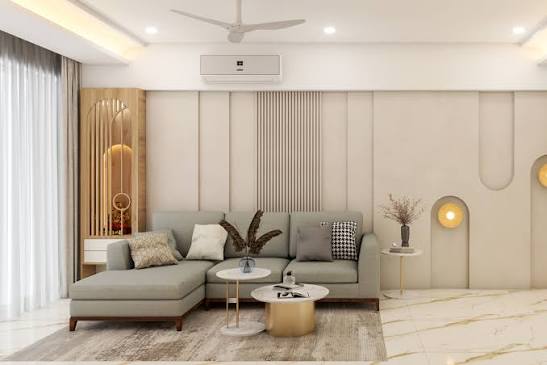

Wall decor can completely change the appearance and atmosphere of a home. Even when the furniture is attractive, a room can feel unfinished if the walls are left completely bare. The right combination of artwork, mirrors, textures, shelves, lighting, and decorative accents can make a living space feel more stylish, comfortable, and personal.
Modern interior design is increasingly moving away from extremely cold and empty spaces toward warmer, more personalized rooms that combine clean lines with natural materials, texture, and meaningful decorative pieces.
Whether you have a large open-plan living room or a small apartment, there are plenty of ways to decorate your walls without making the space feel crowded.
Why Wall Decor Matters in Modern Homes
Walls provide a large visual area that can influence the character of an entire room. A carefully decorated wall can create a focal point, introduce color, add texture, or visually balance furniture.
Good wall decor should complement the room rather than compete with it. Instead of covering every empty surface, consider how each decorative element contributes to the overall design.
Current interior trends also emphasize personalization and inviting spaces rather than perfectly minimal rooms that feel impersonal.
1. Add an Oversized Statement Artwork
One large piece of artwork can make a stronger visual impact than several small decorations.
An oversized abstract painting, landscape, modern print, or textured canvas works particularly well above a sofa, console table, or fireplace. Choose artwork that connects with the colors already present in the room.
Large-scale artwork is also useful when you want to decorate a wall without adding many separate objects. Modern wall-art guides continue to highlight oversized pieces as an effective way to create a strong focal point.
2. Create a Modern Gallery Wall
Gallery walls remain a flexible way to display photographs, artwork, illustrations, quotes, and other meaningful pieces.
For a modern appearance, choose a consistent color palette and plan the arrangement before putting anything on the wall. You can use identical frames for a clean, structured appearance or mix frame materials for a more relaxed look.
A gallery wall does not have to contain only artwork. Family photographs, travel memories, small textile pieces, and three-dimensional objects can create a more personal collection.
3. Use Decorative Mirrors
Mirrors are both practical and decorative. They can reflect natural or artificial light and help a room feel more open.
A large round mirror above a console table can create an elegant focal point, while a group of smaller mirrors can produce an artistic effect.
For smaller living rooms, consider placing a mirror where it reflects a window or another attractive part of the room. This can help maximize the sense of brightness and space.
4. Install Floating Shelves
Floating shelves are an excellent option when you want wall decoration that is also functional.
Use them to display books, small plants, photographs, candles, ceramics, or decorative objects. Because the shelves keep items off the floor and furniture surfaces, they can help maintain an organized appearance.
Avoid filling every inch of the shelf. Leaving some empty space between objects helps create a cleaner modern look.
5. Try a Textured Feature Wall
Texture can add depth to a room without requiring lots of decorations.
Wood slats, fluted panels, textured plaster, stone, limewash finishes, and other tactile surfaces are being used in contemporary interiors to create visual interest. Current 2026 design coverage shows growing interest in natural materials, tactile finishes, and warmer decorative details.
A textured feature wall works particularly well behind a sofa, television, fireplace, or dining area.
6. Use Wooden Wall Panels
Wood can introduce warmth into an otherwise modern interior.
Vertical wooden slats can emphasize ceiling height, while wider wood panels can create a calm architectural backdrop. Natural oak, walnut, and other wood tones can work with neutral furniture and soft textiles.
If real wood is outside your budget, carefully selected wood-look materials can provide a similar visual effect.
7. Decorate With Wall-Mounted Plants
Indoor plants can make a modern living space feel more natural and welcoming.
Wall-mounted planters, hanging plants, and vertical plant displays can introduce greenery without taking up much floor space. Choose plants according to the amount of natural light available in the room.
For a minimalist interior, a small number of carefully positioned plants may be more effective than covering an entire wall.
8. Add Modern Wall Sconces
Lighting can become part of the wall decor itself.
Wall sconces can be placed beside artwork, mirrors, sofas, beds, or architectural features. They provide useful illumination while also adding shape and visual interest.
Modern designers are also using sculptural sconces as decorative objects rather than treating wall lighting purely as a functional feature.
Warm lighting can help create a more comfortable atmosphere, particularly in living rooms used during the evening.
9. Choose Minimalist Wall Art
If you prefer a simple interior, minimalist wall art can provide decoration without overwhelming the room.
Black-and-white photography, geometric prints, simple line drawings, abstract shapes, and neutral artwork can work particularly well with modern furniture.
The key is to pay attention to scale. A very small piece can look lost on a large wall, while a large piece can provide the visual balance that the room needs.
10. Use Decorative Wall Panels
Decorative panels can create architectural interest while keeping the room visually organized.
Fluted panels, geometric mouldings, upholstered panels, and other wall treatments can be used to define one particular area. Rather than covering every wall, consider using panels on a single feature wall.
This approach can create depth while maintaining a relatively clean modern appearance.
11. Add a Large Wall Clock
A contemporary wall clock can combine functionality with decoration.
Choose a design that matches the room’s style. Minimal metal clocks can work well in modern interiors, while wooden clocks can add warmth to neutral spaces.
A large clock can also fill a wide blank wall without requiring several decorative pieces.
12. Create a Stylish TV Wall
The television is often one of the largest visual elements in a living room. Instead of allowing it to dominate the room, integrate it into the overall wall design.
A floating media cabinet, wooden slats, shelving, concealed storage, or subtle lighting can make the television area feel more intentional.
A simple background can often be more effective than surrounding the screen with too many decorations.
13. Try Decorative Wall Moulding
Wall moulding can give a modern room architectural character.
Simple rectangular or vertical moulding patterns can create subtle depth while maintaining a clean appearance. Painting the moulding in the same color as the wall can produce a sophisticated tone-on-tone effect.
This approach can work particularly well in rooms where you want architectural detail without introducing lots of artwork.
14. Use Textiles and Tapestries
Wall textiles can soften the appearance of a room while adding color and texture.
A woven tapestry, fabric wall hanging, or handmade textile can become a focal point above a sofa or reading area. Natural fibers can work particularly well in warm, contemporary interiors.
Textile artwork can also be a useful choice when you want something less formal than traditional framed art.
15. Incorporate Metal Wall Art
Metal wall art can provide a contemporary appearance and introduce interesting shapes and shadows.
Geometric designs, abstract sculptures, botanical patterns, and circular arrangements can work well with modern furniture. Metal can also complement other materials such as wood, glass, stone, and fabric.
For homes that combine traditional and contemporary elements, carefully selected metal artwork can help connect the two styles. Metal art is also being used in contemporary Pakistani interiors as a durable decorative option.
16. Create a Photo Wall
A photo wall can make a modern living space more personal.
Instead of randomly placing photographs, choose a theme or color scheme. You might display family photographs, travel memories, black-and-white images, or photographs connected to a particular period of your life.
Using similar frames can make a large collection appear organized and intentional.
17. Use Floating Picture Ledges
Picture ledges provide flexibility because artwork can be changed without repeatedly drilling holes into the wall.
Layer different-sized frames against the wall and combine photographs with small decorative objects. This creates a relaxed modern display that can easily be updated as your tastes change.
Picture ledges can also work well in rental properties where permanent wall changes may not be desirable.
18. Create a Statement Wallpaper Wall
Wallpaper can transform a blank wall quickly.
For a modern appearance, consider subtle geometric patterns, botanical designs, textured finishes, linen-effect wallpaper, or muted colors. Rather than wallpapering every wall, an accent wall can provide enough visual interest without overwhelming the room.
Choose the pattern according to the size and lighting of the room. Large, complicated patterns may feel overwhelming in a small space.
19. Add Built-In Shelving
Built-in shelving can combine storage and decoration.
Books, artwork, plants, ceramics, and personal objects can be displayed while the shelving provides useful storage. In modern interiors, built-in storage is also increasingly being integrated into the architecture of the room to reduce visible clutter.
If a permanent built-in solution is too expensive, modular shelving can provide a similar concept at a lower cost.
20. Combine Different Materials
One of the most effective ways to create a modern wall is to combine materials carefully.
Wood can add warmth, metal can introduce contrast, glass can provide lightness, and textured surfaces can create depth. The goal is not to use as many materials as possible but to create a balanced combination.
For example, a wooden wall panel behind a sofa could be paired with a simple metal wall sculpture and warm lighting.
How to Choose the Right Wall Decor
Before purchasing anything, consider the size of the wall, the furniture below it, the room’s color palette, natural lighting, and the overall style of the home.
Scale is particularly important. A large wall generally needs a larger decorative element or a carefully arranged collection. A small wall may look better with one mirror, artwork, or compact shelf.
It is also useful to choose a focal point. Decorating every wall equally can make a room feel busy. A stronger approach is often to make one wall the main feature while keeping surrounding walls relatively simple.
Wall Decor Ideas for Small Living Rooms
Small rooms benefit from decor that creates visual space rather than adding unnecessary clutter.
Large mirrors, vertical artwork, floating shelves, light-colored wall treatments, and carefully selected statement pieces can work well. Vertical designs can draw the eye upward, while mirrors can reflect light and make the room appear more open.
Avoid using too many small decorative objects together because they can make a compact room feel crowded.
Budget-Friendly Wall Decor Ideas
Creating an attractive wall does not require expensive materials.
You can frame your own photography, create simple abstract artwork, repaint existing frames, use removable wallpaper, install inexpensive floating shelves, or make a display from meaningful objects you already own.
Rearranging existing artwork can sometimes have a surprisingly large effect. Before buying something new, experiment with different layouts and positions.
Common Wall Decor Mistakes to Avoid
One common mistake is choosing decorations that are too small for the wall. Another is hanging too many unrelated pieces without a clear visual connection.
It is also important to avoid copying a trend without considering your home’s existing style. Modern design does not have to mean completely minimalist or impersonal. Current design coverage increasingly emphasizes warmer colors, natural textures, personalization, and a lived-in feeling.
Finally, avoid decorating simply to fill empty space. Every major piece should have a purpose, whether it adds color, texture, personality, function, or visual balance.
Final Thoughts
The best wall decor ideas for modern living spaces combine style with personality and practicality. Oversized artwork, gallery walls, mirrors, floating shelves, wood panels, textured finishes, plants, sconces, and decorative moulding can all transform an ordinary wall into an attractive feature.
The most important thing is to choose elements that work together. Start with the size and layout of your room, select a focal point, consider your existing furniture and colors, and leave enough empty space to keep the design balanced.
A modern home does not need to look empty or overly formal. With thoughtful wall decor, you can create a living space that feels contemporary, comfortable, and genuinely personal.
Frequently Asked Questions
1. What is the best wall decor for a modern living room?
Oversized artwork, gallery walls, mirrors, textured feature walls, floating shelves, and contemporary wall lighting are popular choices for modern living rooms.
2. How can I decorate a large blank wall?
Consider one large statement artwork, a gallery wall, built-in shelving, a textured feature wall, large mirrors, or a combination of artwork and lighting.
3. What wall decor makes a small room look bigger?
Large mirrors, light colors, vertical designs, and carefully positioned artwork can help create the visual impression of a larger space.
4. Are gallery walls still popular?
Yes. Gallery walls remain a flexible way to display artwork and personal photographs. Modern arrangements can be structured, symmetrical, or more eclectic depending on the room.
5. What can I put on a wall besides pictures?
You can use mirrors, shelves, plants, clocks, sconces, sculptures, tapestries, decorative plates, wall moulding, wood panels, and textured materials.
6. How do I make my wall look expensive?
Focus on scale, quality, lighting, and simplicity. A single large artwork, carefully installed wall panels, good lighting, or a well-designed textured feature wall can create a sophisticated appearance without covering the wall with decorations.
7. What colors work well with modern wall decor?
Warm neutrals, earthy tones, soft whites, muted greens, natural wood tones, and carefully selected darker accents can work well. The best choice depends on the furniture, lighting, and overall color palette.
8. Should every wall have decorations?
No. Leaving some walls relatively simple can improve balance and prevent the room from feeling cluttered.
9. Are wall shelves a good idea for modern homes?
Yes. Floating and built-in shelves can provide both storage and decorative display space while maintaining a clean appearance.
10. How can I decorate my walls on a budget?
Try rearranging existing artwork, framing personal photographs, creating simple DIY art, using floating shelves, adding plants, repainting frames, or using removable wallpaper. Small changes can make a significant visual difference without requiring a major renovation.