


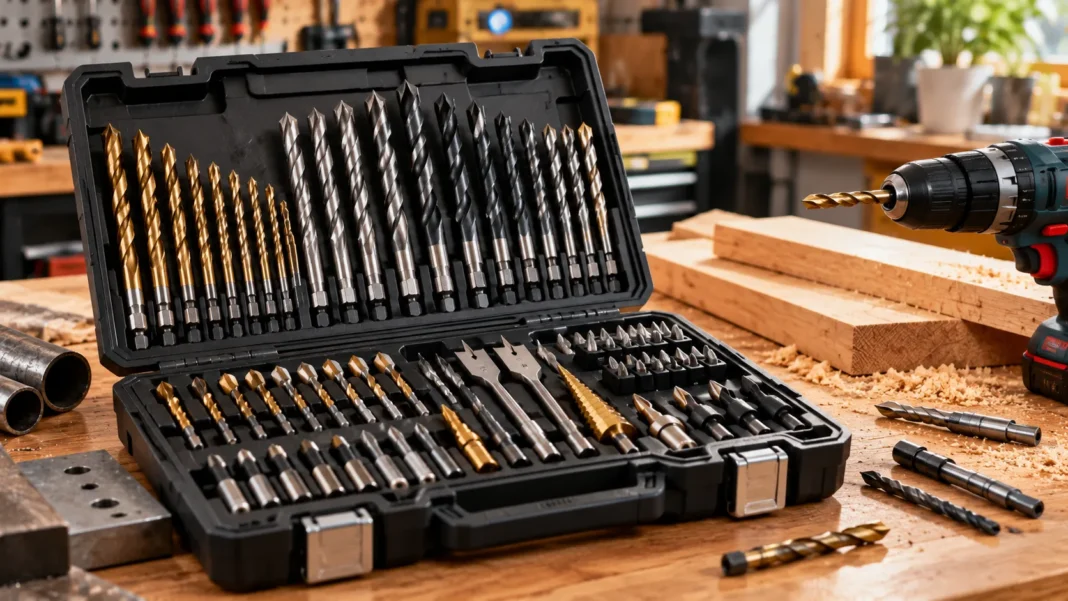

A reliable drill bit set is an essential addition to any home workshop, toolbox, or professional equipment collection. Whether you are assembling furniture, working on home improvements, or preparing materials for fastening, having the correct drill bit makes a significant difference. Choosing the best drill bit set involves understanding bit types, sizes, materials, and compatibility with different drilling applications.
Drill bits are designed for different materials, including wood, metal, plastic, concrete, and masonry. Some feature specialized cutting edges that help create accurate holes, while others are intended for particular drilling equipment. A well-organized set gives users access to multiple sizes and designs without requiring them to purchase every drill bit separately.
However, not every drill bit set is suitable for every project or drilling machine. Factors such as material quality, bit geometry, coating, and storage organization all influence performance and durability. This guide explains the most common drill bit types, standard sizes, important features, and practical buying tips to help you choose a dependable set.
What Is a Drill Bit Set?
A drill bit set is a collection of drilling attachments designed to create holes in different materials. Most sets contain multiple sizes of similar bits, although some include several specialized designs. These collections help users select an appropriate bit for the material and hole dimensions required.
Basic drill bit sets often include twist drill bits for general-purpose applications. More comprehensive kits may contain masonry bits, brad-point bits, spade bits, or other specialized attachments. Manufacturers organize these collections according to intended materials, drilling tasks, and the equipment they are designed to fit.
The advantage of purchasing a set is convenience and access to commonly used sizes. However, the number of included pieces does not always indicate overall quality. A smaller collection of durable, appropriately designed drill bits may be more useful than a large assortment containing unnecessary or poorly manufactured attachments.
Why Choosing the Right Drill Bit Matters
Different materials require different cutting geometries and drilling characteristics. A bit designed for wood may not perform effectively in hardened metal, while a masonry bit is unsuitable for many precision woodworking applications. Choosing the correct type helps produce cleaner holes and reduces unnecessary wear on the equipment.
Drill bit selection also affects accuracy and material condition. An unsuitable bit may create rough openings, wander across the work surface, or damage delicate materials. Appropriate bit geometry, size, and cutting performance support better results when installing hardware, assembling furniture, or completing maintenance tasks.
Safety is another important consideration when selecting drilling accessories. Damaged or incompatible bits can increase the possibility of slipping, binding, or breaking. Using equipment according to manufacturer instructions and matching the bit to the intended task helps support more controlled and reliable drilling.
Different Types of Drill Bits Explained
Drill bits come in several designs, each intended for particular materials and applications. Twist bits are widely used for general drilling, while specialized wood bits create different hole shapes. Masonry bits are manufactured to withstand the demanding conditions associated with brick, concrete, and similar materials.
Some drill bits are designed for precision, while others prioritize creating larger holes or working through challenging surfaces. Brad-point bits, Forstner bits, spade bits, and hole saws serve different woodworking purposes. Metalworking applications may require high-speed steel or cobalt-alloy drill bits suitable for the material involved.
Understanding these categories makes it easier to select a set that matches your actual projects. A homeowner assembling furniture may have different requirements from someone maintaining metal equipment. Choosing an assortment based on material compatibility is generally more practical than selecting the largest available kit.
Twist Drill Bits for General-Purpose Drilling
Twist drill bits are among the most recognizable and commonly available drilling attachments. They feature spiral grooves called flutes, which help remove material from the developing hole. Their design makes them suitable for many general-purpose applications when the correct cutting material and specifications are selected.
High-speed steel twist bits are commonly used for drilling various metals, plastics, and certain wood materials. However, performance depends on the bit’s geometry, sharpness, and the material being drilled. Specialized versions may incorporate additional features intended to improve durability or cutting performance in particular applications.
Many beginner drill bit sets consist primarily of twist bits in different diameters. This makes them useful for general home maintenance and workshop projects. When comparing sets, look for clearly marked sizes and consistent manufacturing quality rather than assuming all twist drill bits provide identical performance.
Brad-Point Drill Bits for Woodworking
Brad-point drill bits are designed specifically for creating accurate holes in wood and many wood-based materials. Their distinctive center point helps establish the intended hole location, while outer cutting features assist with producing a cleaner edge. These characteristics make them popular for furniture construction and precision woodworking.
Compared with some general-purpose twist bits, brad-point designs can offer improved positioning on wooden surfaces. They are particularly useful when hole placement matters, such as in cabinetry or joinery applications. The resulting hole quality depends on the bit’s sharpness, material condition, and proper use.
Brad-point bits are not intended as universal replacements for metal or masonry drill bits. Their cutting geometry is optimized for wood, making material compatibility important. A woodworking-focused drill bit set may include several brad-point sizes to accommodate different fastening and assembly requirements.
Spade Drill Bits for Larger Holes
Spade drill bits are recognizable by their flat, paddle-shaped cutting heads. They are commonly designed for creating relatively large holes in wood and certain wood-based materials. Their simple construction makes them a familiar option in woodworking and construction-related tool collections.
Spade bits are available in different diameters and may include center points and cutting features designed to improve positioning. They are generally more suitable for applications where a large opening is needed than for fine decorative work. Hole finish can vary depending on the bit design and characteristics of the wood.
A spade bit set can be useful for projects involving larger openings, but it should not be confused with a general-purpose twist bit collection. These tools serve different drilling needs. Buyers should consider whether their intended projects actually require larger holes before purchasing a separate spade bit assortment.
Masonry Drill Bits for Brick and Concrete
Masonry drill bits are designed for materials such as brick, mortar, concrete, and certain types of stone. They commonly feature durable cutting tips capable of handling abrasive mineral surfaces. Their construction differs from conventional wood and metal drill bits because masonry presents distinct drilling challenges.
Many masonry bits incorporate carbide cutting tips, although specific designs vary according to the intended material and drilling equipment. Some are intended for compatible hammer drills, while others are designed for particular rotary drilling applications. Matching the bit to the equipment and material is essential.
Masonry bit sets are useful for suitable home improvement and construction tasks. However, reinforced concrete and other demanding materials may require specialized equipment and professional assessment. When shopping, verify the manufacturer’s stated applications rather than assuming every bit labeled masonry performs equally well in all mineral materials.
Cobalt Drill Bits for Metal
Cobalt drill bits are commonly associated with drilling certain hard or heat-resistant metal materials. Many are made from high-speed steel alloys containing cobalt rather than being manufactured entirely from cobalt. These alloys can maintain useful cutting properties under demanding conditions when appropriately selected and maintained.
Cobalt-alloy drill bits are often considered for work involving stainless steel and other challenging metals. However, their suitability depends on the specific alloy, cutting geometry, and workpiece characteristics. Their construction may also make them less tolerant of certain forms of misuse than more flexible alternatives.
Cobalt drill bit sets generally cost more than basic high-speed steel collections. For users who mainly work with wood or ordinary household materials, the extra expense may not be necessary. Buyers should evaluate how frequently they work with demanding metals before investing in this specialized category.
Titanium-Coated Drill Bits: Features and Limitations
Titanium-coated drill bits are typically made from a base material such as high-speed steel with a thin surface coating. Titanium nitride is one commonly used coating that can reduce certain forms of wear under suitable conditions. The coating changes surface characteristics without replacing the underlying drill bit material.
These bits are often marketed for general-purpose use in selected metals, wood, and plastics. However, coating quality and cutting geometry influence their effectiveness. A titanium-colored appearance does not automatically mean a bit has a particular high-performance coating or superior manufacturing quality.
One limitation is that surface coatings can be worn away or removed during sharpening. The durability advantage therefore depends on how the drill bit is used and maintained. Buyers should compare the actual specifications and intended materials instead of selecting a set based on color alone.
Understanding Drill Bit Sizes
Drill bit size usually refers to the diameter of the hole the bit is designed to create. Sets may use metric measurements, fractional inches, numbered sizes, or letter sizes. The measurement system depends on the manufacturer, target market, and intended drilling applications.
Common household sets often include fractional-inch sizes or metric diameters covering a range of small and medium holes. Specialized collections may offer more closely spaced increments for precise fit requirements. The appropriate size depends on the fastener, material, or project specification rather than a universal recommendation.
Size markings should be clearly readable because choosing an incorrect diameter can affect the fit of screws, anchors, or other components. A practical drill bit set includes a useful progression of sizes without unnecessary duplication. Buyers should confirm that the included measurement system matches their usual projects.
Metric vs. Imperial Drill Bit Sets
Metric drill bit sets use millimeters to identify bit diameters, while imperial collections commonly use fractions of an inch. Both measurement systems describe the same physical property but represent it differently. The best option depends on the dimensions specified in your projects and the hardware you regularly use.
For example, a metric fastener may have a recommended hole diameter expressed in millimeters. Other instructions may specify fractional-inch drill sizes. Although similar-looking sizes sometimes have close equivalents, small differences can matter in precision applications or when working with specialized fasteners.
Some comprehensive kits include both systems, but they may contain similar diameters that provide little additional value for ordinary tasks. A clearly labeled set matching your preferred measurement standard can be easier to organize. Precision work may require checking manufacturer specifications rather than relying on approximate conversions.
Common Drill Bit Sizes and Their Uses
Small drill bits are often associated with pilot holes, delicate materials, and projects requiring narrow openings. Medium-sized bits are common in furniture assembly, general maintenance, and hardware installation. Larger bits may be intended for wider openings or specialized construction applications.
The table below illustrates selected standard sizes and their approximate metric or imperial equivalents. These figures are provided for understanding dimensions rather than prescribing a particular size for any specific fastener or task. Actual requirements should come from the relevant material, hardware, or equipment manufacturer.
| Fractional Size | Approximate Metric Size |
|---|---|
| 1/16 inch | 1.59 mm |
| 1/8 inch | 3.18 mm |
| 3/16 inch | 4.76 mm |
| 1/4 inch | 6.35 mm |
| 5/16 inch | 7.94 mm |
| 3/8 inch | 9.53 mm |
| 1/2 inch | 12.70 mm |
A drill bit set containing commonly used sizes can simplify routine projects, but versatility also depends on bit design and material compatibility. Size alone does not determine whether a bit is appropriate. Users should always consider the intended application before selecting a specific attachment.
Drill Bit Shank Types and Compatibility
The shank is the part of a drill bit that fits into the drill’s chuck or compatible attachment system. Common designs include straight, hexagonal, and specialized shanks intended for particular equipment. Shank compatibility is important because a cutting tip cannot function correctly if it does not fit the machine securely.
Straight shanks are common on general-purpose twist bits, while hex shanks may be found on accessories designed for suitable quick-change systems. Specialized masonry drilling equipment can use SDS-type fittings and other dedicated connections. These systems are not necessarily interchangeable with standard drill chucks.
Before purchasing a set, check the drill manufacturer’s specifications for accepted shank types and sizes. A collection containing incompatible fittings may require additional equipment or be unsuitable altogether. Confirming compatibility helps avoid unnecessary purchases and supports safe equipment operation.
How Many Pieces Should a Drill Bit Set Have?
Drill bit sets are available in many sizes, ranging from compact collections to large assortments containing dozens or hundreds of pieces. The number of items may include actual drill bits as well as screwdriver bits, holders, and other accessories. Therefore, the advertised piece count does not necessarily represent the number of unique drilling sizes.
For occasional household projects, a smaller set containing common sizes may be sufficient. More demanding workshop activities can benefit from a wider range of diameters and specialized materials. The ideal collection depends on the frequency and type of work rather than the assumption that more pieces always provide better value.
Duplicate bits may be useful for frequently used sizes, but unnecessary accessories can make large kits less practical. Buyers should examine the contents carefully and distinguish drilling attachments from unrelated components. A well-selected set with useful sizes and dependable materials can offer better long-term value.
How to Choose the Best Drill Bit Set
Choosing the best drill bit set begins with identifying the materials you commonly work with. General household projects may require bits for wood, plastic, and selected metals, while masonry or demanding metalwork requires more specialized attachments. Matching the set to your actual projects helps avoid purchasing unnecessary accessories.
Material quality and manufacturing consistency should also influence your decision. Look for clear product specifications, suitable cutting materials, and reliable size markings. A durable storage case is another useful feature because it keeps different diameters organized and helps protect cutting edges from unnecessary contact.
Finally, consider compatibility, replacement availability, and overall value. A set from a manufacturer that provides individual replacement bits may be more practical over time. Compare the included sizes and construction features rather than relying exclusively on promotional claims or the total number of pieces.
Features to Look for When Buying Drill Bits
One important feature is the material used to manufacture the drill bits. High-speed steel, cobalt-alloy steel, and carbide-tipped designs serve different purposes. Selecting the correct construction for the intended workpiece can improve performance and help prevent premature wear.
Cutting geometry is another factor that influences drilling results. Different point and flute designs affect how bits engage with materials and remove debris. Manufacturers may offer specialized features for particular applications, but these should be evaluated according to actual material compatibility rather than assumed performance benefits.
The quality of the storage case also matters. Secure compartments, readable size labels, and durable hinges can make a drill bit collection easier to maintain. For frequent users, good organization saves time and helps reduce the likelihood of losing small attachments.
How to Maintain and Store a Drill Bit Set
Proper storage helps protect drill bits from corrosion, accidental damage, and unnecessary wear. Keeping attachments in their designated compartments prevents cutting edges from rubbing against one another. A dry storage environment is particularly important for steel tools that may be affected by moisture.
Regular inspection can help identify dull edges, chipped tips, corrosion, or other visible damage. Drill bits showing significant deterioration should be assessed for replacement or appropriate professional servicing. Continuing to use damaged cutting tools can reduce work quality and create unnecessary safety risks.
Cleaning and maintenance recommendations vary by bit material and coating. Some designs may be sharpened using suitable equipment, while others are better replaced when worn. Following the manufacturer’s maintenance guidance helps preserve tool condition and avoid damaging specialized cutting surfaces.
Common Mistakes When Buying Drill Bit Sets
A common purchasing mistake is selecting a drill bit set based only on its low price. Inexpensive collections may be suitable for occasional light work, but quality varies substantially. Evaluating material specifications and intended applications gives buyers a clearer understanding of what the product can reasonably deliver.
Another mistake is choosing a large assortment without checking the included sizes and types. A set containing many accessories may still lack the drill bits needed for a particular project. Reviewing the contents helps ensure the collection provides genuine usefulness rather than an impressive piece count.
Ignoring equipment compatibility can also lead to disappointing purchases. Specialized shanks, unusual diameters, and material-specific bits may not work with every drill. Checking the manufacturer’s recommendations and selecting appropriately designed accessories helps avoid unnecessary spending and operational difficulties.
Drill Bit Safety and Best Practices
Safe drilling begins with using equipment and accessories designed for the intended material. The drill, chuck, and bit should be compatible and in good condition. Users should follow the manufacturer’s instructions and wear appropriate eye protection to reduce exposure to flying particles.
A stable work area is equally important. Workpieces should be properly supported and secured using suitable methods, rather than held loosely in a position where movement could create a hazard. Loose clothing and other items that could become entangled in rotating equipment should be kept away from moving parts.
Drilling tasks involving electricity, structural components, masonry dust, or unfamiliar materials may introduce additional risks. Such work may require specialized protective equipment, training, or professional assistance. Beginners should seek appropriate supervision and instruction before working with powered tools, especially on projects involving hidden utilities or structural elements.
Conclusion
A reliable drill bit set makes it easier to approach different home improvement, woodworking, and workshop tasks with suitable equipment. Twist bits, brad-point bits, spade bits, masonry bits, and specialized metalworking attachments serve different purposes. Understanding these differences helps users choose accessories based on their actual material and project requirements.
Bit diameter, cutting material, shank compatibility, and manufacturing quality are among the most important factors to consider when comparing sets. A well-organized collection of useful sizes can provide more practical value than a large assortment of unnecessary accessories. Proper storage and maintenance also help protect the condition of drilling attachments.
The best approach is to choose a drill bit set that matches your projects, equipment, and level of experience. Carefully reviewing product specifications and prioritizing safe tool use can help avoid common mistakes. With the right selection, a quality collection can remain a valuable part of a workshop or household toolbox for years.
Frequently Asked Questions
What is the best drill bit set for home use?
A general-purpose high-speed steel twist bit set can be useful for many household projects involving suitable materials. Additional wood or masonry bits may be necessary depending on the work.
What is the difference between cobalt and titanium drill bits?
Cobalt drill bits typically contain cobalt within a steel alloy, while titanium-coated bits usually have a surface treatment over a base material. Their performance and suitability depend on specific construction and applications.
Can the same drill bit be used for wood and metal?
Some general-purpose twist bits can work with both wood and certain metals. However, specialized bits often provide better results, particularly when accurate holes or difficult materials are involved.
How do I know what drill bit size I need?
The correct diameter depends on the project, fastener, and material being drilled. Check the relevant hardware or equipment manufacturer’s specifications instead of selecting a size based solely on appearance.
How long do drill bits last?
Drill bit lifespan depends on material quality, frequency of use, workpiece characteristics, and maintenance. Proper storage and appropriate application can extend useful life, while excessive wear or damage may require replacement.