


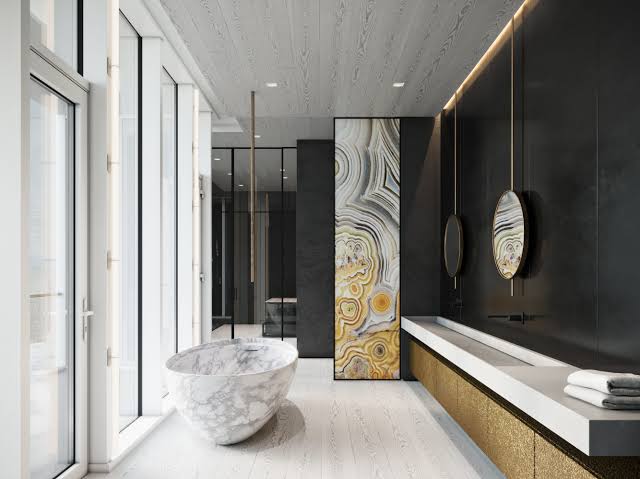

A bathroom can be much more than a functional space. With thoughtful design, it can become a calm retreat where you can unwind after a busy day and start your morning comfortably. A relaxing bathroom does not necessarily require an expensive renovation. The right colors, lighting, materials, storage, fixtures, and accessories can make a noticeable difference.
A successful relaxing bathroom should feel clean, comfortable, uncluttered, and connected to the overall style of the home. Current bathroom design guidance highlights layered lighting, natural materials, calming colors, comfortable fixtures, and thoughtful storage as useful ways to create a more inviting space.
Whether you have a large master bathroom or a compact bathroom, these ideas can help you create a peaceful atmosphere.
1. Choose Calming Colors
Color has a major influence on how a bathroom feels.
Soft whites, warm beige, light gray, pale blue, sage green, and other muted shades can create a calm atmosphere. Nature-inspired colors can also make a bathroom feel more connected to the outdoors.
Blue is often associated with calmness, while neutral and earthy shades can create a warm and comfortable environment. Current bathroom color guidance also highlights calming blues, nature-inspired greens, neutral grays, and earthy tones as options for creating different relaxing moods.
You do not need to use the same color throughout the entire bathroom. A neutral foundation combined with one soft accent color can create a balanced appearance.
2. Keep the Bathroom Clutter-Free
Clutter can quickly destroy a relaxing atmosphere.
When countertops are covered with bottles, cosmetics, electrical appliances, and other everyday objects, the room can feel busy rather than peaceful.
Use drawers, cabinets, shelves, medicine cabinets, and recessed storage to keep frequently used items organized. A clean countertop creates more visual space and makes cleaning easier.
Only keep decorative items that genuinely contribute to the atmosphere.
3. Use Soft, Layered Lighting
Lighting is one of the most important elements of a relaxing bathroom.
Instead of relying on a single bright ceiling fixture, combine ambient lighting with task and accent lighting. Vanity lighting can provide practical illumination, while softer ambient lighting can create a more relaxing atmosphere.
Dimmers can also allow you to adjust the brightness depending on the time of day. Home Depot’s current bathroom lighting guidance notes that dimmed lighting can create a more relaxing mood and make late-night bathroom visits easier on the eyes.
For shower areas, make sure lighting fixtures are appropriately rated for wet locations and installed according to applicable electrical requirements.
4. Make the Most of Natural Light
Natural light can make a bathroom feel brighter, fresher, and more spacious.
If you have a window, avoid unnecessarily blocking it with heavy curtains or excessive decorations. Use privacy solutions that still allow useful daylight into the room.
For bathrooms without windows, carefully planned artificial lighting can help compensate for the lack of daylight. In some homes, a properly planned skylight or solar tube may also be an option.
Natural light can also make colors and materials appear more accurately during the day.
5. Add a Large Mirror
A large mirror can make a bathroom feel more open while reflecting available light.
Instead of using a very small mirror above the vanity, consider a larger design that fits the proportions of the wall.
An illuminated mirror can combine decoration and useful task lighting. Backlit mirrors can also provide a soft glow that works well in an evening bathroom setting.
Choose a mirror with a frame or finish that complements your faucets, vanity, and other fixtures.
6. Create a Spa-Like Shower
The shower can become the centerpiece of a relaxing bathroom.
A spacious walk-in shower with a glass enclosure can create a clean and open appearance. You can also consider a rainfall showerhead, handheld showerhead, built-in niche, bench, or multiple spray settings.
Modern custom shower designs can incorporate features such as adjustable water controls, lighting, sound, and steam systems.
However, you do not need every available feature. Choose the features that genuinely improve your daily experience.
7. Consider a Soaking Tub
If you enjoy baths and have enough space, a soaking tub can become an excellent relaxation feature.
Freestanding soaking tubs can serve as a visual focal point while providing a comfortable place to unwind. They can work in both large and relatively compact bathrooms depending on the design.
Before installing one, consider access, plumbing, floor support, cleaning, and the amount of space required around the tub.
If you rarely take baths, the space may be better used for a larger shower or additional storage.
8. Introduce Natural Materials
Natural materials can give a bathroom a warmer and more organic feeling.
Wood-look cabinetry, natural stone, stone-look tiles, woven accessories, and other natural textures can soften a bathroom dominated by hard surfaces.
A natural wood vanity paired with neutral tiles and greenery can create a particularly relaxing combination. Current bathroom design guidance also highlights wood textures and organic neutral colors as ways to create a more natural retreat.
For real wood and other moisture-sensitive materials, make sure the product is appropriate for bathroom conditions.
9. Add Greenery
Plants can make a bathroom feel more natural and welcoming.
Choose varieties that are appropriate for the bathroom’s light and humidity conditions. A small plant on a shelf, vanity, or windowsill can provide a natural accent without taking up much space.
If the bathroom receives very little natural light, choose plants that can tolerate those conditions or consider high-quality artificial greenery.
Avoid overcrowding the room with plants.
10. Use Soft Textiles
Towels and bath mats are simple ways to introduce comfort.
Choose soft, high-quality towels in colors that complement the bathroom. A comfortable bath mat can add warmth underfoot while also providing a visual transition between different areas.
Neutral, earthy, or muted colors tend to work well with a spa-inspired bathroom.
Textiles can also be changed easily when you want to refresh the room.
11. Choose Comfortable Flooring
Bathroom flooring should combine appearance, comfort, and safety.
Large-format tile, stone-look porcelain, wood-look tile, and other bathroom-suitable materials can create different visual effects.
For a relaxing space, consider flooring with subtle patterns rather than extremely busy designs. Textured or appropriately slip-resistant surfaces can also provide better traction in wet areas.
The exact flooring product should be selected according to its intended bathroom use and manufacturer’s recommendations.
12. Create a Walk-In Shower With a Bench
A shower bench can add comfort and convenience.
It provides a place to sit, organize certain shower items, or simply relax under the water. A built-in bench can also become part of the overall shower design.
If accessibility is important, planning the shower and bench together during renovation can provide additional long-term benefits.
Make sure the bench and surrounding shower area are properly waterproofed.
13. Use a Shower Niche
A recessed shower niche is an excellent way to reduce visible clutter.
Instead of placing shampoo, conditioner, soap, and other products on the shower floor, a niche keeps them organized in one location.
You can make the niche a subtle design feature by using a contrasting tile or complementary material.
A properly constructed and waterproofed niche is important because this area is constantly exposed to moisture.
14. Select a Minimalist Vanity
A relaxing bathroom generally benefits from a simple and uncluttered vanity.
Choose a vanity with enough storage for your everyday products while keeping the countertop relatively clear.
Floating vanities can make the floor appear more open, which can be especially useful in smaller bathrooms. Wall-mounted storage can also help keep the floor clear.
A well-organized vanity can make the entire bathroom feel calmer.
15. Use Warm Lighting Around the Vanity
The vanity should have enough light for grooming, shaving, applying makeup, or other daily activities.
Wall sconces placed appropriately around a mirror can help reduce shadows, while a lighted mirror can provide another solution.
For a relaxing evening atmosphere, dimmable lighting can allow you to reduce brightness when strong task lighting is unnecessary.
The important thing is to balance functional lighting with softer ambient illumination.
16. Choose Simple Fixtures
Faucets, shower controls, cabinet handles, towel bars, and other hardware contribute to the overall appearance of the room.
For a calming bathroom, simple fixtures with clean lines can reduce visual distractions.
Brushed metal, matte black, warm brass, chrome, and other finishes can work depending on the color scheme.
Try to coordinate the major finishes rather than combining too many unrelated metals.
17. Add a Heated Floor
If your budget allows, heated flooring can add a sense of comfort and luxury.
Warm flooring can be particularly pleasant during colder mornings and evenings.
Underfloor heating is easier to plan during a renovation because the system needs to be coordinated with the flooring installation and electrical requirements.
It is not essential to creating a relaxing bathroom, but it can improve everyday comfort.
18. Consider a Towel Warmer
A towel warmer can provide a small luxury that makes the bathroom feel more comfortable.
Warm towels can be especially pleasant after a bath or shower.
Before installing one, consider electrical requirements, available wall space, energy consumption, and whether the feature provides enough value for your budget.
A simple heated towel rail may provide a similar effect without becoming a major design feature.
19. Improve Bathroom Ventilation
A relaxing bathroom should also be a healthy and well-maintained bathroom.
Bathrooms naturally produce moisture, particularly during hot showers and baths. Good ventilation helps remove humid air and can reduce moisture-related problems.
When renovating, consider upgrading the exhaust fan if the existing system is inadequate. Home Depot’s remodeling guidance describes exhaust fans as an important defense against bathroom moisture, mold, and mildew and recommends selecting a fan appropriate for the room’s size.
Make sure exhaust is properly vented according to local requirements rather than simply releasing humid air into an attic or enclosed area.
20. Use Aromatherapy Carefully
Aromatherapy can contribute to a relaxing bathroom experience through pleasant scents.
Candles, diffusers, bath products, or essential-oil-based products can introduce fragrances such as lavender, eucalyptus, or citrus.
However, fragrance preferences vary, and some people are sensitive to strong scents. Keep fragrances subtle and make sure candles are used safely.
Never leave an open flame unattended.
21. Create a Calm Bathing Area
If you have a bathtub, make the area feel intentional rather than simply filling an empty corner.
A small stool, bath tray, soft towel, plant, or carefully selected accessory can create a comfortable bathing zone.
Avoid filling the area with unnecessary decorations. The objective is to create a sense of calm, not another source of visual clutter.
22. Use Natural and Neutral Textures
Relaxation is not only about color.
Texture can make a neutral bathroom feel more interesting without introducing strong visual contrast.
Consider combining smooth tiles with wood-look cabinetry, textured towels, natural stone details, woven baskets, or subtle wall finishes.
Using different textures within a limited color palette can create depth while maintaining a peaceful atmosphere.
23. Add a Small Seating Area
If you have a larger bathroom, a small stool, bench, or chair can provide both functionality and comfort.
It can be useful for getting dressed, organizing towels, or simply taking a short break.
Choose furniture designed or finished for the bathroom environment, particularly where humidity is high.
In a small bathroom, however, unnecessary seating can reduce valuable floor space.
24. Keep Technology Under Control
Smart bathroom technology can improve convenience, but too many screens and electronic devices may work against a relaxing atmosphere.
Features such as smart shower controls, heated floors, illuminated mirrors, automatic lighting, or Bluetooth speakers can be useful.
The best approach is to choose technology that supports your routine rather than making the bathroom feel like another electronic workspace.
25. Use Soft Music
If you enjoy listening to music while bathing or showering, a suitable waterproof or bathroom-rated audio system can contribute to the atmosphere.
Keep the volume comfortable and make sure any electrical or audio equipment is appropriate for use in a damp environment.
The purpose is to create background sound rather than make the bathroom feel like an entertainment center.
26. Make the Bathroom Smell Fresh
A clean-smelling bathroom contributes significantly to the overall experience.
Regular cleaning, good ventilation, dry towels, and proper waste management are more important than simply covering odors with fragrance.
If you use an air freshener or diffuser, choose a subtle scent that complements the room.
A relaxing bathroom should smell clean rather than heavily perfumed.
27. Use a Limited Color Palette
Too many colors can make a bathroom feel visually busy.
Choose a primary color and one or two supporting shades. For example, warm white, light beige, and natural wood can create a calm foundation.
Alternatively, soft blue, white, and brushed metal can create a cooler spa-inspired atmosphere.
A limited palette makes it easier for fixtures, tiles, towels, and accessories to work together.
28. Make a Small Bathroom Feel Relaxing
A small bathroom can still feel like a peaceful retreat.
Use light colors, a large mirror, good lighting, wall-mounted storage, and a simple design. Keeping the floor visible can also make the room feel more spacious.
Home Depot’s small-bathroom guidance recommends wall storage, additional lighting, and light or monochromatic color schemes to make compact bathrooms feel brighter and less cramped.
Avoid filling the room with unnecessary furniture or oversized decorative features.
29. Create a Consistent Design
A relaxing bathroom should feel visually connected from one area to another.
For example, if you use natural wood on the vanity, consider repeating a similar tone through a shelf or accessory. If you select brushed brass faucets, you might repeat that finish in the mirror frame or lighting.
Consistency helps the room feel intentional and organized.
30. Design for Your Personal Routine
The most relaxing bathroom is not necessarily the one with the most expensive features.
Think about what helps you feel comfortable.
Perhaps you enjoy long showers, in which case a spacious shower and comfortable showerhead may be more important than a bathtub. If you prefer baths, a soaking tub could become the main feature.
If you start your day in the bathroom, prioritize bright task lighting and practical storage. If you use it mostly at night, softer lighting and easy access to essentials may matter more.
Design the room around your lifestyle rather than simply copying a showroom.
Relaxing Bathroom Ideas on a Budget
Creating a peaceful bathroom does not always require a complete renovation.
Start with decluttering and organizing the space. Replace worn towels and bath mats, introduce a small amount of greenery, change the lighting, and add a mirror that better suits the room.
Painting the walls in a calming shade can also create a noticeable change. Updating cabinet handles, faucets, or accessories can provide a modern appearance without replacing major fixtures.
If you have a larger budget, consider improvements such as a new vanity, walk-in shower, improved ventilation, heated flooring, or layered lighting.
Common Bathroom Design Mistakes to Avoid
One common mistake is trying to include too many features in a small bathroom. A relaxing room needs breathing space.
Another mistake is relying entirely on one bright light. Layered lighting provides more flexibility and can create different moods throughout the day.
Poor storage can also undermine a relaxing design. If everyday products have nowhere to go, countertops quickly become cluttered.
Ignoring ventilation is another problem. A beautiful bathroom will not remain comfortable if excessive moisture is allowed to accumulate.
Finally, avoid choosing materials only because they look attractive in photographs. Bathroom materials need to withstand water, humidity, cleaning, and everyday use.
Final Thoughts
Designing a relaxing bathroom is about creating an environment that feels comfortable, organized, and peaceful.
Start with a calming color palette and uncluttered layout. Add layered lighting, natural textures, practical storage, comfortable towels, and carefully selected fixtures. If space and budget allow, features such as a soaking tub, walk-in shower, shower bench, heated floor, or smart shower can provide additional comfort.
You do not need to create an expensive luxury spa to enjoy a relaxing bathroom. Even simple improvements can transform an ordinary room into a space where you can slow down and unwind.
The best design is one that reflects your personal routine while combining beauty, comfort, safety, and practicality.
Frequently Asked Questions
1. What colors make a bathroom feel relaxing?
Soft white, beige, cream, pale blue, sage green, and other muted or nature-inspired shades can create a calming atmosphere. Earth tones can also make a bathroom feel warmer and more inviting.
2. How can I make my bathroom feel like a spa?
Use calming colors, soft lighting, natural materials, comfortable towels, organized storage, and minimal decoration. A walk-in shower, soaking tub, rainfall showerhead, or greenery can add to the spa-like atmosphere.
3. What type of bathroom lighting is best for relaxation?
Layered lighting works well because it allows you to combine practical task lighting with softer ambient and accent lighting. Dimmable lights can provide additional control over brightness and mood.
4. Should I use warm or cool bathroom lighting?
Warm lighting can create a softer and more relaxing atmosphere, especially in the evening. However, brighter and more neutral task lighting can be useful around the vanity for grooming and other detailed activities.
5. Can a small bathroom be relaxing?
Absolutely. A small bathroom can feel peaceful when it is uncluttered, well lit, and organized. Light colors, wall storage, a large mirror, and simple fixtures can help create a more spacious feeling.
6. Are plants suitable for bathrooms?
Some plants can thrive in bathrooms, particularly where there is suitable humidity and light. Choose plants according to the conditions in your specific room and avoid overcrowding the space.
7. Is a soaking tub worth adding to a bathroom?
A soaking tub can be worthwhile if you regularly enjoy baths and have enough space. It can become a relaxing focal point, but homeowners who rarely take baths may prefer using the available space for a larger shower or additional storage.
8. How can I reduce clutter in my bathroom?
Use vanity drawers, medicine cabinets, recessed shower niches, shelves, and wall-mounted storage. Keeping everyday products organized and minimizing unnecessary items can make the bathroom feel considerably calmer.
9. What materials are best for a relaxing bathroom?
Natural-looking materials such as wood tones, stone, stone-look tile, soft textiles, and neutral finishes can create a warm and calming atmosphere. Choose materials that are suitable for humid bathroom conditions.
10. How important is bathroom ventilation?
Ventilation is very important. Bathrooms generate substantial moisture, and an appropriately sized exhaust system can help remove humid air and reduce moisture-related problems.
11. Can technology make a bathroom more relaxing?
Technology can add convenience through features such as smart shower controls, dimmable lighting, heated floors, illuminated mirrors, and suitable audio systems. However, technology should support relaxation rather than create unnecessary complexity.
12. What is the easiest way to make a bathroom more relaxing?
Start by removing clutter, improving lighting, adding soft towels and a bath mat, and choosing a calm color palette. These relatively simple changes can improve the atmosphere without requiring a complete renovation.