


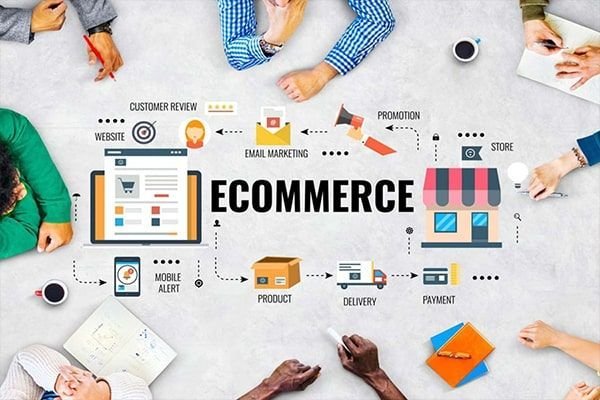

The rapid growth of e-commerce has transformed the global economy and reshaped the way people shop. Over the last two decades, online marketplaces, digital payment systems, and mobile shopping applications have made purchasing products easier and faster than ever before. Consumers can now compare prices, read reviews, and order goods from anywhere in the world with just a few clicks.
While e-commerce has created enormous opportunities for businesses and consumers alike, it has also posed significant challenges for local businesses. Small shops and traditional retailers often struggle to compete with large online platforms that offer lower prices, wider product selections, and convenient delivery services. The rise of digital commerce has therefore changed not only consumer behavior but also the structure of local economies.
Understanding the Growth of E-commerce
E-commerce refers to the buying and selling of goods and services through digital platforms. The expansion of internet access, smartphones, and secure online payment systems has accelerated its growth worldwide.
Major online marketplaces and retail platforms have invested heavily in logistics, artificial intelligence, and customer experience. Fast shipping options, personalized recommendations, and digital marketing strategies have made online shopping highly attractive to consumers.
The COVID-19 pandemic further increased the popularity of e-commerce. During lockdowns and social distancing measures, millions of consumers turned to online shopping for groceries, clothing, electronics, and essential products. This shift permanently changed purchasing habits in many regions.
Advantages of E-commerce for Consumers
Convenience and Accessibility
One of the main reasons for the success of e-commerce is convenience. Consumers can shop at any time without visiting physical stores. Online platforms also allow people in remote areas to access products that may not be available locally.
Greater Product Variety
E-commerce platforms offer a wider selection of products than most local stores. Customers can compare brands, prices, and product features across multiple sellers in a short amount of time.
Competitive Pricing
Online retailers often provide lower prices due to reduced operational costs. Discounts, seasonal sales, and price comparison tools also encourage consumers to shop online.
Personalized Shopping Experience
Digital platforms use algorithms and consumer data to recommend products based on user preferences and browsing history. This personalized experience increases customer engagement and satisfaction.
Challenges Faced by Local Businesses
Increased Competition
Local businesses now compete not only with nearby stores but also with global online retailers. Small businesses may struggle to match the pricing and marketing power of large e-commerce companies.
Decline in Foot Traffic
As more consumers prefer online shopping, physical stores often experience reduced customer visits. Shopping malls and local marketplaces in many cities have witnessed declining sales and closures.
High Digital Transition Costs
Many small businesses lack the financial resources and technical expertise needed to establish online stores, manage digital advertising, or implement delivery systems.
Changing Consumer Expectations
Customers increasingly expect fast delivery, online payment options, and 24-hour service. Traditional businesses that fail to adapt to these expectations risk losing market share.
Positive Opportunities for Local Businesses
Despite the challenges, e-commerce also offers new opportunities for local businesses.
Expanding Market Reach
Small businesses can use digital platforms to reach customers beyond their local communities. Social media marketing and online marketplaces enable entrepreneurs to sell products nationally and internationally.
Lower Marketing Costs
Digital advertising often costs less than traditional forms of marketing. Businesses can target specific audiences through social media campaigns, email marketing, and search engine optimization.
Hybrid Business Models
Many successful businesses combine physical stores with online services. This approach, often called an omnichannel strategy, allows customers to shop both online and offline.
Support for Niche Products
E-commerce enables small businesses to specialize in unique or handmade products that appeal to specific customer groups. Local artisans and independent brands can build loyal online communities.
The Social and Economic Impact
The rise of e-commerce has changed employment patterns and urban economies. Warehousing, delivery services, and digital marketing industries have expanded rapidly. At the same time, some traditional retail jobs have declined due to store closures and automation.
Local communities may also experience changes in social interaction. Traditional marketplaces often serve as social and cultural gathering spaces. As online shopping grows, these community-centered experiences may weaken.
However, digital commerce can also encourage entrepreneurship. Individuals can launch online businesses with relatively low startup costs, creating new economic opportunities and innovation.
The Role of Governments and Policy
Governments play an important role in balancing digital innovation with support for local businesses. Policies that encourage digital training, small business funding, and fair taxation can help traditional retailers adapt to the digital economy.
Investments in internet infrastructure and digital literacy programs are also essential, particularly in developing regions where many businesses still lack access to e-commerce tools.
Consumer protection laws, cybersecurity measures, and fair competition regulations are equally important for maintaining trust in online markets.
The Future of Retail
The future of retail will likely involve a combination of online and physical shopping experiences. Technologies such as artificial intelligence, virtual reality, and automated delivery systems may further transform the retail industry.
Local businesses that embrace innovation and digital transformation are more likely to survive in the evolving marketplace. Personalized customer service, community engagement, and unique product offerings can help smaller businesses remain competitive.
Rather than completely replacing traditional retail, e-commerce may continue to reshape it into a more integrated and technology-driven system.
FAQs
What is e-commerce?
E-commerce is the process of buying and selling goods or services online through websites, mobile applications, or digital marketplaces.
Why has e-commerce become so popular?
E-commerce offers convenience, wider product choices, competitive prices, and the ability to shop from anywhere at any time.
How does e-commerce affect local businesses?
E-commerce increases competition for local businesses and may reduce physical store traffic. However, it also creates opportunities for businesses to expand online and reach larger markets.
Can small businesses benefit from e-commerce?
Yes. Small businesses can use online platforms, social media, and digital marketing to attract customers and sell products beyond their local areas.
What are the disadvantages of e-commerce?
Some disadvantages include cybersecurity risks, delivery delays, reduced face-to-face interaction, and challenges for traditional retailers.
How has the COVID-19 pandemic influenced e-commerce?
The pandemic accelerated online shopping as consumers relied on digital platforms during lockdowns and social distancing restrictions.
What is an omnichannel business model?
An omnichannel model combines online and offline shopping experiences, allowing customers to interact with businesses through multiple channels.
Why do consumers prefer online shopping?
Consumers often prefer online shopping because it saves time, provides more choices, and allows easy price comparisons.
How can local businesses compete with large online retailers?
Local businesses can focus on personalized service, unique products, community engagement, and developing strong online presences.
What is the future of e-commerce?
The future of e-commerce will likely include advanced technologies such as AI-driven recommendations, virtual shopping experiences, and faster automated delivery systems.