


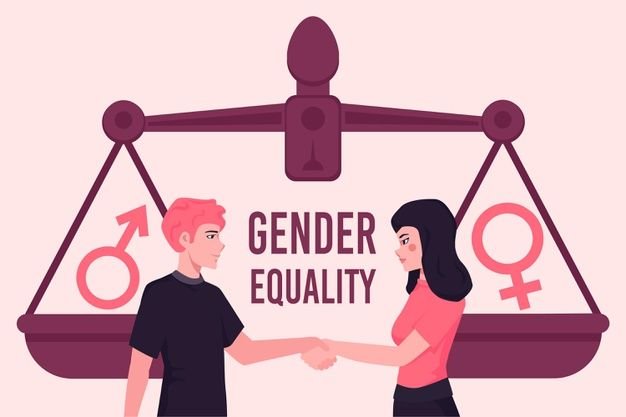

Gender equality refers to the equal rights, opportunities, and treatment of all individuals regardless of gender. Over the past century, societies around the world have made significant progress toward improving gender equality in education, employment, politics, and social rights. Women today have greater access to education, leadership positions, and professional careers than in previous generations.
Despite these achievements, gender inequality still exists in many forms. Wage gaps, discrimination, unequal access to opportunities, and gender-based violence continue to affect millions of people worldwide. Achieving true equality requires continuous effort from governments, organizations, communities, and individuals.
Progress in Education
One of the greatest achievements in gender equality has been the improvement in educational opportunities for girls and women. In many countries, female enrollment in schools and universities has increased dramatically. Education has empowered women to pursue careers, participate in public life, and improve their economic independence.
Access to education also benefits society as a whole. Educated women contribute to stronger economies, healthier families, and more stable communities. Many international organizations now focus on promoting equal educational opportunities because education is considered a key foundation for gender equality.
However, challenges still remain in certain regions where poverty, cultural traditions, or conflict prevent girls from attending school regularly.
Women in the Workforce
Women’s participation in the workforce has grown significantly over time. Today, women work in fields such as medicine, engineering, law, business, science, and technology. Many companies and institutions now support equal employment opportunities and workplace diversity.
The rise of female entrepreneurs and leaders has also inspired social and economic progress. Women have demonstrated strong leadership abilities in business, politics, and community development.
Despite these advances, women in many countries still experience wage inequality and limited access to senior leadership positions. In some workplaces, women may face discrimination, harassment, or barriers to career advancement. Balancing family responsibilities with professional careers also remains a challenge for many working women.
Political Representation and Leadership
Gender equality has improved in politics as more women have gained leadership positions in governments and international organizations. Women now serve as presidents, prime ministers, lawmakers, and diplomats in many nations.
Greater female representation in politics often leads to broader discussions about healthcare, education, social welfare, and family policies. Diverse leadership helps create more balanced decision-making processes.
Even so, women remain underrepresented in political leadership in many parts of the world. Cultural stereotypes and unequal opportunities can discourage women from entering politics or public service.
Social and Cultural Challenges
Although legal rights for women have expanded, social attitudes and cultural traditions sometimes continue to support inequality. Gender stereotypes can influence how people view education, careers, family roles, and leadership abilities.
In some societies, women and girls still face restrictions on freedom, mobility, or decision-making. Gender-based violence, including domestic abuse and harassment, remains a serious global issue that affects safety and well-being.
Media and social platforms also influence public attitudes about gender roles. Positive representation can encourage equality, while harmful stereotypes may strengthen discrimination.
The Role of Technology and Social Movements
Technology and social movements have played an important role in promoting gender equality. Social media campaigns and global movements have raised awareness about discrimination, workplace harassment, and unequal treatment.
Online platforms allow activists, organizations, and ordinary individuals to share experiences and advocate for change. Digital education and remote work opportunities have also helped expand opportunities for women in many areas.
At the same time, online harassment and cyberbullying have become new challenges, especially for women in public or professional roles. Protecting digital spaces from abuse is now an important part of promoting equality.
Building a More Equal Future
Achieving gender equality requires long-term commitment and cooperation. Governments can strengthen laws that protect equal rights and prevent discrimination. Educational institutions can promote equal opportunities and challenge harmful stereotypes from an early age.
Businesses can support fairness by ensuring equal pay, safe workplaces, and leadership opportunities for all employees. Communities and families also play a key role in encouraging respect, inclusion, and equal treatment.
True gender equality benefits everyone by creating fairer societies, stronger economies, and healthier communities.
Conclusion
The progress made toward gender equality over the years is significant and encouraging. Women now have greater access to education, employment, leadership, and public participation than ever before. Social awareness and global advocacy have also contributed to positive change.
However, important challenges still remain, including wage inequality, discrimination, violence, and unequal representation. Continued efforts are necessary to ensure that all individuals receive equal opportunities and respect regardless of gender.
Gender equality is not only a women’s issue but a human rights issue that affects the progress and well-being of society as a whole.
Frequently Asked Questions (FAQs)
1. What is gender equality?
Gender equality means providing equal rights, responsibilities, and opportunities to people regardless of gender.
2. Why is education important for gender equality?
Education empowers individuals, improves career opportunities, and helps reduce discrimination and poverty.
3. What is the gender pay gap?
The gender pay gap refers to the difference in average earnings between men and women for similar work.
4. How has women’s participation in politics improved?
More women now hold leadership positions in governments and organizations, increasing representation and diversity in decision-making.
5. What are some major challenges to gender equality?
Major challenges include discrimination, unequal pay, gender stereotypes, violence, and limited access to opportunities in some regions.
6. How does technology support gender equality?
Technology helps spread awareness, provides educational opportunities, supports remote work, and allows social movements to reach larger audiences.
7. Why is gender equality important for society?
Gender equality promotes fairness, economic growth, social stability, and better opportunities for everyone in society.