


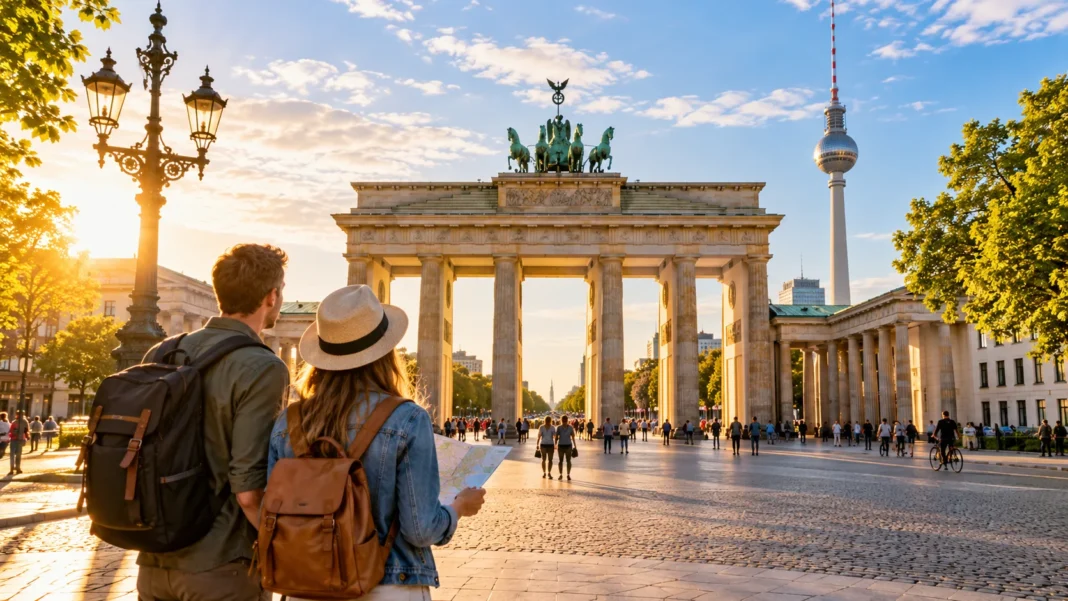

Berlin, the capital of Germany, is one of Europe’s most fascinating travel destinations. Known for its remarkable history, creative neighborhoods, iconic landmarks, and diverse cultural attractions, the city offers unforgettable experiences for visitors. Whether you enjoy exploring museums, discovering historic monuments, tasting local food, or experiencing modern urban culture, traveling to Berlin provides an exciting combination of old and new.
Planning a trip to Berlin becomes easier when you understand the city’s transportation system, accommodation options, popular attractions, and everyday travel customs. From the Brandenburg Gate to the Berlin Wall Memorial, there are countless places worth exploring. This Berlin travel guide covers essential information, practical tips, and recommended experiences to help first-time visitors enjoy a comfortable and memorable journey.
Why Should You Travel to Berlin?
Berlin attracts millions of visitors because it combines important historical landmarks with modern architecture, creative communities, and diverse cultural experiences. The city played a central role in major European historical events, and reminders of its past remain visible throughout its streets. Visitors can explore historic monuments, fascinating museums, and neighborhoods that showcase Berlin’s transformation into a dynamic European capital.
Another reason to visit Berlin is its welcoming atmosphere and wide range of attractions for different travel interests. Art enthusiasts can explore contemporary galleries, history lovers can discover informative exhibitions, and food lovers can sample cuisines from around the world. Beautiful parks, riverside paths, bustling shopping streets, and local markets create opportunities for relaxation between sightseeing activities.
Berlin is also known for its convenient public transportation and relatively accessible travel options compared with some other major European capitals. Visitors can explore many attractions without renting a car, making it suitable for independent travelers and families. With careful planning, it is possible to experience famous landmarks, local neighborhoods, and authentic German culture during a short city break.
Best Time to Visit Berlin for a Comfortable Trip
The best time to visit Berlin depends on your preferred weather, sightseeing activities, and travel budget. Late spring, particularly May and June, generally provides pleasant temperatures, longer daylight hours, and comfortable conditions for walking around the city. Parks become greener, outdoor cafés grow busier, and visitors can enjoy exploring historical attractions without the cold weather of winter.
Summer, from July through August, offers warm days and a lively atmosphere throughout Berlin’s streets and public spaces. Outdoor festivals, riverside activities, and seasonal events make this period especially attractive to travelers interested in urban entertainment. However, popular attractions may become crowded, and accommodation prices can rise during holidays and major cultural events.
Autumn brings cooler temperatures, colorful leaves, and a quieter atmosphere in many tourist areas. Winter can be cold, with shorter daylight hours, but festive Christmas markets and seasonal decorations create a special experience during December. Travelers seeking a balance between comfortable weather and manageable crowds often find May, June, September, and early October appealing.
How to Get to Berlin by Air, Train, or Bus
Berlin is well connected to international destinations through Berlin Brandenburg Airport, commonly known as BER. The airport serves domestic and international flights and provides connections to the city using regional trains, airport express services, buses, and other transportation options. Travelers should check their arrival terminal, transportation schedules, and ticket requirements before beginning their journey toward central Berlin.
Traveling to Berlin by train is another convenient option, especially for visitors arriving from other German cities or neighboring European countries. Berlin Hauptbahnhof, the city’s main railway station, connects numerous regional and long-distance services. High-speed and intercity trains provide comfortable travel opportunities, although ticket prices and journey times vary depending on the route and booking date.
Long-distance buses also connect Berlin with many destinations across Germany and Europe, often appealing to budget-conscious travelers. Bus journeys may take longer than train travel, but advance bookings can sometimes offer affordable transportation. Comparing flight, railway, and bus schedules helps visitors select the option that best matches their budget, luggage requirements, and available travel time.
How to Get Around Berlin Using Public Transportation
Berlin has an extensive public transportation network that includes underground trains, suburban railways, trams, buses, and selected ferry services. The U-Bahn primarily serves urban routes, while the S-Bahn connects important neighborhoods and surrounding areas. These services make it relatively easy to travel between popular attractions, shopping districts, railway stations, and accommodation locations without needing a private vehicle.
Understanding Berlin’s fare zones is important before purchasing public transport tickets. Zones A and B cover most central and urban destinations, while zone C includes locations such as Berlin Brandenburg Airport and Potsdam. Travelers should choose tickets covering their entire route and validate tickets when required, as traveling without valid authorization can result in financial penalties.
Visitors planning frequent journeys may benefit from day tickets or travel passes that permit multiple journeys within selected fare zones. The Berlin WelcomeCard also offers transportation options and discounts at participating attractions, depending on the selected product. Walking and cycling are useful alternatives for shorter distances, particularly in central neighborhoods with accessible pathways and dedicated cycling infrastructure.
Brandenburg Gate: Berlin’s Most Famous Landmark
The Brandenburg Gate is one of Berlin’s most recognizable landmarks and an important symbol of German history and reunification. Located at Pariser Platz, this monumental neoclassical structure dates back to the late eighteenth century. Its impressive columns, historic design, and central location make it an essential stop for travelers exploring the cultural and political significance of Germany’s capital.
Visitors can admire the Brandenburg Gate from the surrounding square and take photographs of its remarkable architectural details. The landmark is especially memorable during the evening when lighting highlights its distinctive appearance. Nearby attractions include the Reichstag Building, Tiergarten Park, and the Memorial to the Murdered Jews of Europe, making the area convenient for exploring several significant locations.
The Brandenburg Gate is accessible through nearby public transportation connections and can be visited without purchasing an admission ticket. Early morning visits may offer quieter surroundings, particularly during popular tourist seasons. Travelers interested in Berlin’s history can also join guided walking tours that explain how the landmark became associated with the city’s division and eventual reunification.
Explore Berlin Wall Memorial and East Side Gallery
The Berlin Wall remains one of the most important historical subjects for visitors interested in Germany’s divided past. The Berlin Wall Memorial on Bernauer Straße provides valuable information about the former border and its impact on everyday life. Exhibitions, preserved structures, and outdoor displays help visitors understand the experiences of people living in a city separated by political boundaries.
The East Side Gallery offers a different perspective by transforming a surviving section of the Berlin Wall into an outdoor art gallery. Located beside the River Spree, it features numerous murals created by international artists. Many artworks explore themes of freedom, political change, and human connection, making the gallery both historically meaningful and visually engaging.
Exploring these locations allows travelers to better understand Berlin’s recent history while discovering how public spaces have changed over time. Visitors should allow enough time to read information displays and appreciate the artwork respectfully. Both destinations can be included in a broader sightseeing itinerary alongside nearby neighborhoods, riverside walking routes, and other important historical attractions.
Visit Museum Island for Art and History
Museum Island is one of Berlin’s most significant cultural destinations, located along the River Spree in the historic city center. This UNESCO World Heritage Site contains several internationally recognized museums with collections covering archaeology, sculpture, ancient civilizations, and European art. Its monumental architecture and scenic surroundings make the island attractive even for travelers who do not plan to visit every exhibition.
Visitors can explore museums such as the Neues Museum, Altes Museum, Bode Museum, and Alte Nationalgalerie, depending on current opening schedules. The Pergamon Museum is undergoing a long-term renovation, so access arrangements require particular attention. Checking available exhibitions and booking requirements before visiting helps travelers avoid disappointment and make better use of their sightseeing time.
Museum Island is also close to Berlin Cathedral, historic streets, and attractive riverside walking areas. Travelers can combine cultural exploration with relaxing breaks at nearby cafés or along the water. Those interested in art and history should consider allocating several hours to the district because the museums contain extensive collections that cannot be fully appreciated during a rushed visit.
Discover Reichstag Building and Its Glass Dome
The Reichstag Building is one of Berlin’s most important architectural and political landmarks because it houses the German Bundestag. Its historic exterior contrasts with a modern glass dome designed as part of the building’s reconstruction. The structure reflects Germany’s political history while offering visitors an opportunity to learn about parliamentary democracy and contemporary national institutions.
The glass dome provides panoramic views over central Berlin, including nearby government buildings and famous city landmarks. Visitors follow an internal walkway that gradually rises through the dome, offering different perspectives of the surrounding skyline. Admission is free, but advance registration is normally required, and visitors should be prepared to present appropriate identification during security procedures.
Because the Reichstag is an active parliamentary building, visiting arrangements can change according to official events and operational requirements. Reserving a suitable visiting time before traveling is recommended, especially during busy tourism periods. The surrounding government district is also worth exploring on foot, with modern architecture, riverside scenery, and the Brandenburg Gate located nearby.
Alexanderplatz and Berlin Television Tower
Alexanderplatz is one of Berlin’s busiest public squares and a major transportation hub in the eastern part of the city. Surrounded by shopping centers, restaurants, commercial buildings, and important transport connections, it provides a convenient starting point for sightseeing. The area also reflects Berlin’s changing urban landscape through a combination of historic features and modern development.
The Berlin Television Tower, commonly called the Fernsehturm, rises above Alexanderplatz and dominates the surrounding skyline. Visitors can book access to its observation area for impressive views across the city and nearby districts. On clear days, the elevated viewpoint provides an opportunity to understand Berlin’s size, layout, and distinctive architectural character from above.
Alexanderplatz is particularly useful for travelers who want easy access to shopping, dining, and transportation during their visit. Nearby attractions include the historic Nikolaiviertel district, Berlin Cathedral, and Museum Island. Visiting the square during the daytime allows travelers to explore its busy atmosphere, while evening walks reveal another perspective of the city’s illuminated buildings.
Best Neighborhoods to Explore in Berlin
Berlin consists of diverse neighborhoods, each offering its own atmosphere, attractions, and cultural identity. Mitte is especially popular with first-time visitors because it includes major landmarks, museums, shopping streets, and convenient transportation connections. Staying in or near this central district can reduce travel time for visitors who want to explore Berlin’s most famous historical and cultural destinations.
Kreuzberg is known for its multicultural communities, independent restaurants, creative spaces, and vibrant street art. Nearby Friedrichshain offers a similarly energetic atmosphere, with cafés, local markets, and access to the East Side Gallery. These neighborhoods appeal to travelers who prefer discovering contemporary Berlin beyond its traditional tourist attractions and historic city center.
Prenzlauer Berg features attractive residential streets, independent boutiques, welcoming cafés, and pleasant public spaces. Charlottenburg offers a different experience through elegant architecture, established shopping areas, and nearby cultural attractions. Exploring several neighborhoods helps visitors understand Berlin’s diversity while discovering local restaurants, everyday community life, and places that may not appear on typical sightseeing routes.
Where to Stay in Berlin for First-Time Visitors
Choosing suitable accommodation can significantly improve the overall Berlin travel experience, particularly for visitors unfamiliar with the city’s layout. Hotels, hostels, guesthouses, and serviced apartments are available across different price ranges and neighborhoods. The best location depends on sightseeing priorities, transportation preferences, travel budget, and whether visitors prefer lively surroundings or quieter residential areas.
Mitte is a practical choice for travelers who want convenient access to historical attractions and cultural landmarks. Areas around Alexanderplatz and Friedrichstraße offer public transportation connections and numerous accommodation options. Visitors seeking a more relaxed atmosphere may prefer Charlottenburg or Prenzlauer Berg, where residential streets and neighborhood cafés create a different environment from the busiest tourist districts.
Before booking accommodation, travelers should examine recent guest reviews, transportation access, cancellation policies, and any additional charges. Staying near an S-Bahn or U-Bahn station can make sightseeing considerably easier, even when the hotel is outside central Berlin. Comparing the total accommodation cost rather than the nightly room price alone helps travelers manage their overall holiday budget.
What to Eat in Berlin: Popular Local Foods
Berlin offers a diverse food scene influenced by German traditions and communities from around the world. Currywurst is one of the city’s best-known street foods, typically featuring sliced sausage served with a seasoned tomato-based sauce. Visitors can also discover pretzels, schnitzel, regional baked goods, and traditional German meals at restaurants and neighborhood food establishments.
The city’s international culinary culture provides excellent opportunities to explore dishes beyond traditional German cuisine. Turkish-inspired döner kebabs are particularly popular, while vegetarian restaurants, Middle Eastern eateries, and Asian food establishments can be found throughout Berlin. Local food markets and casual dining areas offer convenient options for travelers who enjoy sampling different cuisines without committing to formal restaurant experiences.
Food preferences and dietary requirements are generally easy to accommodate in Berlin because many restaurants offer varied menus. Travelers should still confirm ingredients when dealing with allergies or specific dietary restrictions. Exploring independent bakeries, neighborhood cafés, and established food markets can provide enjoyable dining experiences while helping visitors discover everyday Berlin culture.
How Much Does It Cost to Travel to Berlin?
The cost of traveling to Berlin depends on accommodation choices, dining preferences, sightseeing activities, and transportation needs. Budget travelers can reduce expenses by selecting hostels, using public transportation, and visiting free attractions. Mid-range visitors may prefer private hotel rooms, guided tours, and restaurant meals, while luxury accommodation and premium experiences can significantly increase overall spending.
Accommodation is often one of the largest travel expenses, particularly during major events and popular summer periods. Booking earlier may provide a wider selection of hotels and more competitive prices, although savings are not guaranteed. Public transport passes and advance attraction reservations can also make budgeting easier when travelers know how frequently they expect to use these services.
A practical Berlin travel budget should account for transportation, accommodation, meals, attractions, travel insurance, and unexpected expenses. Travelers should also check current prices because transportation fares and admission charges may change. Allocating some additional money for spontaneous activities, local shopping, or alternative transportation can make the trip more comfortable without creating unnecessary financial pressure.
Essential Travel Tips for Visiting Berlin
Visitors should carry valid identification and keep important travel documents accessible while exploring Berlin. International travelers must confirm passport, visa, and entry requirements according to their nationality before departure. Although English is widely understood in many tourist areas, learning basic German greetings and polite expressions can improve everyday interactions with local residents and service providers.
Comfortable walking shoes are especially useful because many Berlin attractions involve considerable walking between museums, landmarks, and public transportation stops. Travelers should also carry clothing appropriate for changing weather conditions, particularly during spring and autumn. Keeping a reusable water bottle, portable phone charger, and offline navigation information can make long sightseeing days more convenient.
Berlin is generally manageable for visitors who follow ordinary city travel precautions and remain aware of their surroundings. Personal belongings should be monitored in crowded transportation areas and popular tourist attractions. Respecting public transportation rules, checking opening hours, and allowing enough time between scheduled activities helps create a smoother and more enjoyable travel experience.
How to Plan a Three-Day Berlin Itinerary
A three-day Berlin itinerary provides enough time to experience several important attractions without attempting to see the entire city. On the first day, visitors can explore Brandenburg Gate, the Reichstag Building, and the surrounding government district. Walking through Tiergarten Park and visiting nearby historical memorials creates a balanced introduction to the city’s cultural and political significance.
The second day can focus on Berlin’s museums, historic center, and architectural landmarks. Museum Island, Berlin Cathedral, Alexanderplatz, and the Television Tower are practical choices because several attractions are located relatively close together. Travelers should consider booking museum tickets and observation experiences in advance, particularly when visiting during popular holiday periods or busy weekends.
The third day offers an opportunity to explore Berlin’s creative neighborhoods and discover locations beyond the central tourist district. Visiting the East Side Gallery, walking around Friedrichshain, and enjoying local cafés in Kreuzberg can provide a memorable experience. Travelers with additional time may also consider excursions to Potsdam or other nearby destinations that showcase the wider Berlin region.
Conclusion
Traveling to Berlin offers a rewarding opportunity to discover one of Europe’s most historically significant and culturally diverse capitals. From Brandenburg Gate and Museum Island to the Berlin Wall Memorial and vibrant local neighborhoods, the city provides memorable experiences for different types of travelers. Its combination of historical landmarks, modern attractions, and welcoming public spaces makes it an excellent destination for a European city break.
Successful Berlin travel planning involves choosing suitable accommodation, understanding public transportation, and selecting attractions that match your interests. Considering seasonal weather, admission requirements, travel expenses, and neighborhood locations can help prevent unnecessary complications. Visitors who balance scheduled sightseeing with time for spontaneous exploration often discover a more authentic perspective of the German capital.
Whether you are visiting Berlin for a weekend or planning an extended holiday, the city offers countless opportunities to learn, explore, and experience local culture. Thoughtful preparation allows travelers to enjoy famous landmarks while discovering hidden corners and everyday neighborhood life. With its fascinating past and constantly evolving atmosphere, Berlin remains a memorable destination for first-time and returning visitors.
Frequently Asked Questions (FAQs)
Is Berlin Worth Visiting for First-Time Travelers?
Yes, Berlin is an excellent destination for first-time visitors because it offers famous historical landmarks, interesting museums, diverse neighborhoods, and convenient public transportation. The city provides a rewarding combination of sightseeing and cultural experiences.
How Many Days Do You Need to Explore Berlin?
Three to four days is a good starting point for exploring Berlin’s major attractions and popular neighborhoods. Travelers interested in museums, local culture, and nearby excursions may prefer five days or longer.
Is Berlin Expensive for Tourists?
Berlin offers accommodation, dining, and sightseeing options for different budgets. Although prices vary by season and location, travelers can manage expenses by using public transportation, choosing affordable restaurants, and exploring free attractions.
Can You Travel Around Berlin Without a Car?
Yes, Berlin has an extensive public transportation network covering most major attractions and neighborhoods. Visitors can comfortably explore the city using underground trains, suburban railways, trams, buses, and walking routes.
What Is the Best Month to Visit Berlin?
May, June, and September are popular choices because temperatures are generally comfortable for sightseeing and outdoor activities. December is also appealing for travelers interested in Christmas markets and festive winter experiences.