


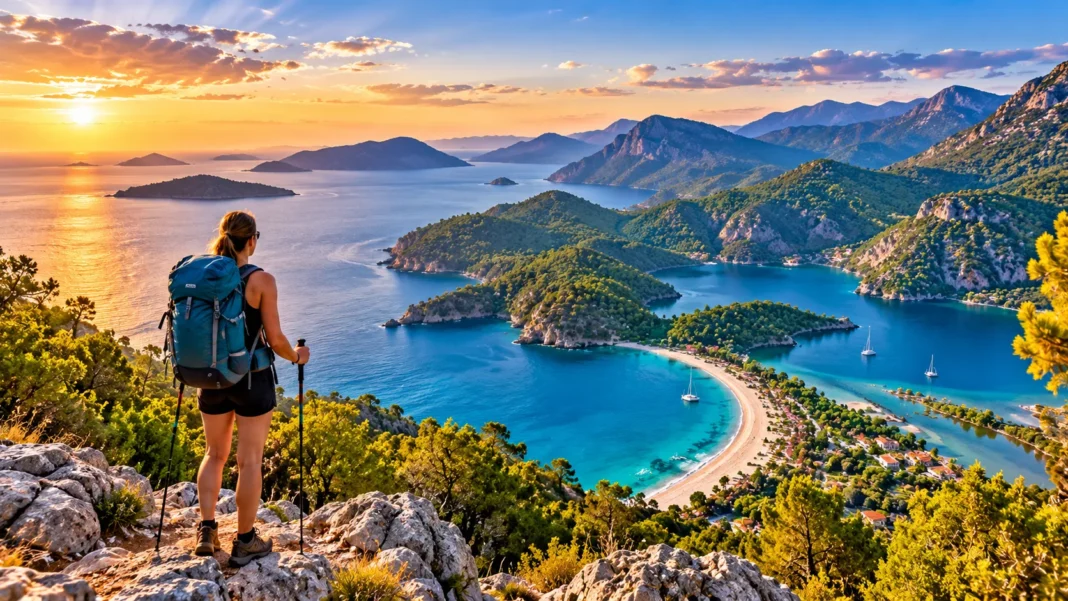

Turkey is one of the most exciting hiking destinations in the world, offering breathtaking mountain landscapes, dramatic coastal trails, peaceful forests, and fascinating historical pathways. From the turquoise Mediterranean coastline to the unusual rock formations of Cappadocia, the country provides unforgettable experiences for nature lovers and outdoor enthusiasts. Whether you enjoy short scenic walks or challenging mountain trekking, Turkey offers an impressive variety of trails for different interests and experience levels.
Exploring the best hikes in Turkey allows travelers to discover natural beauty alongside ancient ruins, traditional villages, and remarkable cultural landmarks. The country’s diverse geography includes alpine mountains, green valleys, deep canyons, and beautiful coastal landscapes. This guide explores Turkey’s top hiking trails, scenic trekking routes, and essential travel tips to help you plan a memorable outdoor adventure.
1. Lycian Way – Turkey’s Most Famous Coastal Hiking Trail
The Lycian Way is one of the best hiking trails in Turkey, famous for its spectacular Mediterranean coastline and fascinating ancient history. Stretching for hundreds of kilometers between the Fethiye region and Antalya province, this long-distance route connects traditional villages, archaeological sites, and beautiful coastal landscapes. Its combination of natural scenery and cultural heritage attracts hikers from around the world.
Travelers can explore shorter sections of the Lycian Way without completing the entire long-distance route. Popular stretches pass near Ölüdeniz, Faralya, Patara, Kaş, and other scenic coastal destinations. Along the way, hikers may discover ancient Lycian ruins, traditional stone houses, pine forests, and panoramic viewpoints overlooking the brilliant turquoise waters of the Mediterranean Sea.
Spring and autumn are generally the most comfortable seasons for exploring the Lycian Way because coastal temperatures are usually milder. Some sections include steep slopes, rocky paths, and limited facilities, so careful preparation is important. Choosing shorter, well-established routes allows less experienced hikers to appreciate the region’s beauty without committing to an extended trekking expedition.
2. Rose Valley – Discover Cappadocia’s Colorful Rock Formations
Rose Valley is one of Cappadocia’s most beautiful hiking destinations, known for its distinctive pink-colored rock formations and unusual volcanic landscapes. Located near Göreme, the valley offers scenic walking routes through narrow passages, vineyards, and fascinating geological formations. Its peaceful environment and remarkable scenery make it a favorite destination for photographers and nature enthusiasts.
The valley contains several rock-cut churches and historical structures that reflect the region’s rich cultural heritage. Visitors can follow established trails while admiring the soft colors of the surrounding cliffs and unusual rock formations. The landscape becomes especially attractive during the early morning and late afternoon when sunlight highlights the different shades of the valley.
Rose Valley is suitable for many casual hikers, although certain sections contain uneven surfaces and moderate climbs. Trails connect with nearby Red Valley, allowing visitors to create longer walking routes if desired. Comfortable shoes, adequate drinking water, and a reliable map are useful because some pathways have multiple junctions and limited directional signs.
3. Red Valley – Enjoy Spectacular Cappadocia Sunset Views
Red Valley is another remarkable hiking destination in Cappadocia, famous for its reddish volcanic cliffs and dramatic panoramic scenery. Located close to Göreme and Çavuşin, the valley offers beautiful natural formations that create a distinctive landscape. Its colorful surroundings attract visitors looking for memorable walking experiences and opportunities to appreciate the region’s geological beauty.
Several established routes pass through narrow valleys, ancient cave structures, and scenic viewpoints overlooking the surrounding rock formations. Travelers can admire unusual geological shapes while discovering the region’s historical character. The valley is particularly famous for its sunset scenery, when the cliffs reflect warm orange and red tones across the surrounding landscape.
Hiking conditions vary depending on the route, with some sections involving loose gravel, uneven surfaces, and moderate slopes. Visitors should allow enough daylight to complete their walk comfortably rather than remaining on unfamiliar paths after dark. Spring and autumn are especially pleasant times for exploring Red Valley because temperatures are generally more comfortable for outdoor sightseeing.
4. Ihlara Valley – Walk Through a Beautiful Green Canyon
Ihlara Valley is one of Turkey’s most impressive canyon hiking destinations, offering a beautiful combination of flowing water, lush vegetation, and historic rock-cut churches. Located in Aksaray Province near Cappadocia, the valley features a dramatic canyon landscape shaped by the Melendiz River. Its refreshing natural environment provides a different hiking experience from Cappadocia’s exposed volcanic valleys.
Walking routes follow sections of the river while passing through green surroundings and impressive rock formations. Visitors can discover ancient churches carved into the canyon walls, many associated with Byzantine religious communities. The valley’s combination of cultural history and natural scenery makes it particularly appealing to travelers who enjoy sightseeing alongside outdoor exploration.
Different walking sections allow hikers to select routes based on their available time and preferences. Some trails are relatively gentle, while longer walks require greater endurance and additional preparation. Visitors should confirm entrance arrangements, carry drinking water, and wear comfortable footwear when exploring this beautiful canyon environment.
5. Kaçkar Mountains – Explore Turkey’s Alpine Landscapes
The Kaçkar Mountains are among Turkey’s most spectacular mountain regions, located in the northeastern part of the country near the Black Sea coast. These impressive mountains feature alpine meadows, green valleys, glacial lakes, and dramatic peaks. The region offers a beautiful contrast to Turkey’s Mediterranean beaches and central Anatolian landscapes, attracting hikers interested in mountain scenery.
Popular hiking areas include valleys around Ayder, Çamlıhemşin, and the higher mountain settlements of the Kaçkar region. Visitors can discover traditional highland villages, beautiful waterfalls, and scenic alpine landscapes during suitable seasons. Guided excursions provide opportunities to appreciate the region’s natural environment while learning about local traditions and mountain communities.
Mountain weather can change rapidly, and higher routes may remain affected by snow well into the warmer months. Beginners should choose accessible valley walks rather than attempting remote alpine routes without appropriate experience. Professional local guides, suitable clothing, and reliable weather information are particularly important for visitors exploring more demanding sections of the mountains.
6. St. Paul Trail – Follow Ancient Paths Through Southern Turkey
The St. Paul Trail is one of Turkey’s notable long-distance hiking routes, connecting historical landscapes with beautiful mountain scenery in southern Anatolia. The trail passes through parts of the Taurus Mountains and areas associated with early Christian history. Its combination of traditional settlements, forests, and ancient pathways makes it especially interesting for culturally curious hikers.
Sections of the route pass through scenic countryside, quiet villages, and mountainous landscapes that reveal a less crowded side of Turkey. Hikers may encounter historical remains and rural communities while exploring established walking routes. The trail offers an opportunity to appreciate the relationship between Turkey’s natural geography and its long history of human settlement.
Because the St. Paul Trail covers considerable distances and includes remote sections, careful route selection is essential. Some parts have challenging terrain and limited access to accommodation or transportation. Less experienced visitors can explore shorter guided sections, while longer journeys require appropriate planning, dependable navigation, and an understanding of changing mountain conditions.
7. Love Valley – Experience Unique Fairy Chimney Landscapes
Love Valley is one of Cappadocia’s most recognizable natural attractions, famous for its unusual rock pillars and spectacular volcanic formations. Located near Göreme, the valley offers scenic walking routes surrounded by distinctive geological features. Its dramatic landscape creates an unforgettable setting for travelers interested in photography, nature exploration, and peaceful outdoor experiences.
Visitors can admire the valley’s towering fairy chimneys, which developed through natural processes of erosion over long periods. Walking routes provide different perspectives of these fascinating rock formations and the surrounding countryside. Several viewpoints also offer panoramic scenery, making Love Valley an attractive destination for travelers exploring Cappadocia’s famous landscapes.
Many visitors combine Love Valley with other nearby hiking areas to experience more of Cappadocia in one day. Trail conditions vary, and certain paths include loose surfaces or exposed sections. Choosing an established route, wearing suitable footwear, and carrying sufficient drinking water can make the experience more comfortable and enjoyable.
8. Carian Trail – Discover Turkey’s Southwestern Coastal Beauty
The Carian Trail is a remarkable long-distance hiking network in southwestern Turkey, offering a combination of Mediterranean scenery, ancient settlements, and beautiful rural landscapes. The trail passes through parts of Muğla and Aydın provinces, connecting historic pathways with coastal and inland environments. Its varied terrain makes it appealing to travelers interested in exploring quieter regions.
Hiking sections include scenic peninsulas, traditional villages, olive groves, and beautiful coastal viewpoints. Travelers can discover historical sites while enjoying impressive views across the Aegean and Mediterranean waters. Areas around the Datça and Bozburun peninsulas are particularly attractive for their rugged coastal scenery and distinctive natural surroundings.
The Carian Trail includes both accessible walking sections and more demanding routes through remote countryside. Visitors should choose routes based on available time, fitness, and access to transportation. Spring and autumn generally offer more comfortable conditions, while summer heat can make exposed coastal sections less suitable for extended walks.
9. Pigeon Valley – Enjoy Scenic Walks Between Göreme and Uçhisar
Pigeon Valley is one of Cappadocia’s most enjoyable hiking locations, connecting the areas around Göreme and Uçhisar through beautiful natural scenery. The valley is named after the numerous pigeon houses carved into its rock formations. These structures reflect historical agricultural practices and add cultural interest to the region’s unusual landscape.
The walking route passes through scenic valleys, orchards, and distinctive volcanic formations that create excellent photography opportunities. Visitors can admire the surrounding countryside while discovering the fascinating relationship between traditional communities and the local environment. The impressive views toward Uçhisar Castle provide another highlight of exploring this picturesque Cappadocian destination.
Pigeon Valley is often considered a suitable choice for casual hikers, although uneven sections require appropriate footwear. Starting earlier in the day can help visitors avoid stronger midday sunshine during warmer months. Travelers can combine their walk with sightseeing in Uçhisar or Göreme, making the valley a convenient addition to a Cappadocia itinerary.
10. Aladağlar National Park – Discover Impressive Mountain Scenery
Aladağlar National Park is one of Turkey’s outstanding mountain destinations, featuring dramatic limestone peaks, alpine valleys, and beautiful natural landscapes. Located within the Taurus Mountains, the park covers areas of central and southern Turkey. Its rugged environment attracts hikers and nature enthusiasts who appreciate spectacular mountain scenery and relatively remote outdoor destinations.
The region features scenic valleys, mountain lakes, and impressive rock formations that provide opportunities for landscape photography and nature observation. Emli Valley is among the areas associated with trekking in the Aladağlar region. Visitors can appreciate the surrounding mountains through appropriately selected walking routes without necessarily attempting the more demanding high-altitude sections.
Aladağlar is best approached with respect for its challenging terrain and changeable mountain weather. Some routes require advanced experience, specialist equipment, or qualified guidance, making them unsuitable for casual visitors. Beginners should consider accessible lower-elevation walks with local guides and confirm trail conditions before entering the national park.
11. Mount Nemrut – Discover Ancient Statues and Mountain Views
Mount Nemrut is one of Turkey’s most extraordinary historical attractions, famous for its enormous stone statues and breathtaking mountain scenery. Located in southeastern Turkey, the mountain features an ancient ceremonial complex associated with the Kingdom of Commagene. Its combination of archaeological heritage and panoramic landscapes creates a memorable destination for visitors interested in history and nature.
The summit area contains impressive stone heads and monumental structures associated with King Antiochus I. Visitors can explore designated walking paths while admiring the historical remains and surrounding mountain views. Sunrise and sunset are particularly popular times for sightseeing because the changing light creates beautiful scenery across the ancient statues and distant landscapes.
The walk from the designated visitor access area is relatively short compared with Turkey’s major mountain trekking routes, although the elevation and uneven surfaces require care. Weather can be cold and windy, even during some warmer months. Visitors should confirm access conditions, dress appropriately, and follow site regulations when exploring this important cultural landmark.
12. Uludağ National Park – Enjoy Forest Trails Near Bursa
Uludağ National Park is a beautiful mountain destination near Bursa, offering forests, alpine scenery, and seasonal outdoor attractions. Although the region is widely recognized for winter tourism, it also provides enjoyable nature walks during suitable warmer months. Its mountain landscapes create a refreshing escape from busy urban surroundings and offer attractive views across the surrounding countryside.
Visitors can explore designated walking routes through forested areas and mountain meadows while appreciating the region’s natural beauty. Depending on the season, wildflowers and green vegetation contribute to the picturesque scenery. The park also offers opportunities to experience the changing landscapes of northwestern Turkey, making it appealing for nature photography and peaceful outdoor sightseeing.
The most comfortable hiking conditions generally occur after winter snow has cleared from suitable walking areas. Visitors should check local access information because higher trails may remain affected by seasonal weather. Choosing marked routes and carrying suitable clothing can help travelers enjoy a comfortable visit to this attractive national park.
13. Küre Mountains National Park – Explore Forests and Deep Canyons
Küre Mountains National Park is one of northern Turkey’s remarkable natural destinations, offering dense forests, impressive canyons, and diverse wildlife habitats. Located in the western Black Sea region, the park protects a beautiful landscape shaped by rivers and rugged mountain terrain. Its peaceful environment appeals to travelers interested in nature conservation and scenic forest experiences.
The park contains fascinating geological features, including deep valleys, limestone formations, and forested slopes. Visitors can explore designated nature areas and enjoy viewpoints overlooking the surrounding landscape. Certain sections are also known for impressive canyon scenery, making the park an attractive destination for photography and learning about Turkey’s protected ecosystems.
Because some parts of the park are remote and difficult to access, visitors should plan their activities carefully. Guided nature excursions and established trails provide more suitable options for travelers unfamiliar with the area. Checking road conditions, weather forecasts, and local visitor guidance is important before exploring this beautiful region.
14. Best Time of Year to Go Hiking in Turkey
The best time for hiking in Turkey depends on the region, elevation, and type of trail you want to explore. Coastal destinations, mountain areas, and central Anatolian valleys experience different seasonal conditions. Understanding these variations helps travelers choose suitable routes while avoiding uncomfortable temperatures or unsuitable weather.
Spring and autumn are generally excellent seasons for hiking along the Lycian Way, Carian Trail, and Cappadocia’s scenic valleys. These periods often provide comfortable daytime temperatures and beautiful natural scenery. Summer can bring intense heat to exposed coastal and inland trails, making longer walks less appealing during the hottest parts of the day.
Higher mountain destinations, including the Kaçkar Mountains and Aladağlar, often have a shorter suitable hiking season because of snow and changing weather. Accessible lower-elevation trails may be enjoyable during warmer months, depending on local conditions. Travelers should always confirm current forecasts, route accessibility, and seasonal restrictions before planning outdoor excursions.
15. Essential Tips for Planning a Hiking Trip in Turkey
Planning a successful hiking vacation in Turkey begins with selecting trails that match your experience, available time, and personal interests. The country offers everything from short nature walks to extended long-distance trekking routes. Researching route difficulty, transportation connections, accommodation options, and weather conditions helps travelers choose appropriate destinations for an enjoyable outdoor experience.
Comfortable hiking footwear, suitable clothing, drinking water, and sun protection are important for most walking routes. Travelers should also carry a reliable map and understand the route before setting out, particularly in areas with limited mobile coverage. Checking daylight hours and communicating travel plans with a trusted person can provide additional reassurance.
Respecting the natural environment is an essential part of responsible hiking in Turkey. Visitors should remain on established paths, avoid disturbing wildlife, and carry away their rubbish. Choosing reputable local guides for unfamiliar mountain areas can also improve the experience while supporting communities connected to Turkey’s remarkable hiking destinations.
Conclusion
Turkey offers an incredible variety of hiking destinations, combining spectacular coastal landscapes, beautiful mountain regions, historical landmarks, and unusual geological formations. From the famous Lycian Way to Cappadocia’s colorful valleys and the impressive Kaçkar Mountains, the country provides memorable walking experiences for different interests and experience levels. Its diverse landscapes make Turkey an outstanding destination for travelers who enjoy nature and outdoor exploration.
Whether you prefer short scenic walks, historic pathways, forest trails, or mountain viewpoints, the best hikes in Turkey offer opportunities to discover the country’s remarkable natural beauty. Destinations such as Ihlara Valley, Pigeon Valley, Mount Nemrut, and Uludağ National Park highlight the impressive variety of available routes. Selecting suitable trails allows visitors to appreciate the scenery while enjoying a comfortable and rewarding experience.
Planning your hiking vacation around seasonal weather, route accessibility, appropriate equipment, and available time can make your journey more enjoyable. Consider combining outdoor activities with visits to nearby towns, cultural landmarks, and traditional communities. With thoughtful preparation and responsible travel practices, hiking in Turkey can become an unforgettable experience filled with beautiful landscapes, fascinating history, and lasting memories.
Frequently Asked Questions (FAQs)
What are the best hiking trails in Turkey?
The best hiking trails in Turkey include the Lycian Way, Rose Valley, Red Valley, Ihlara Valley, Pigeon Valley, and selected routes in the Kaçkar Mountains. These destinations offer diverse landscapes and beautiful natural scenery.
Is Turkey a good destination for beginner hikers?
Yes, Turkey offers many accessible walking routes suitable for beginners, particularly in Cappadocia and selected national parks. Visitors should choose established trails and consider distance, elevation, and weather before hiking.
What is the best month for hiking in Turkey?
April, May, September, and October are often excellent for hiking in coastal and central regions. Higher mountain trails may be more accessible during summer, depending on snow and local weather conditions.
How long does it take to hike the Lycian Way?
Completing the traditional Lycian Way generally takes around four weeks or longer, depending on route selection and walking pace. Travelers can also explore shorter sections over several days without completing the entire trail.
Do you need a guide for hiking in Turkey?
A guide is not necessary for every established walking trail, but professional guidance is recommended for remote or challenging mountain routes. Beginners may also benefit from guided excursions in unfamiliar areas.