


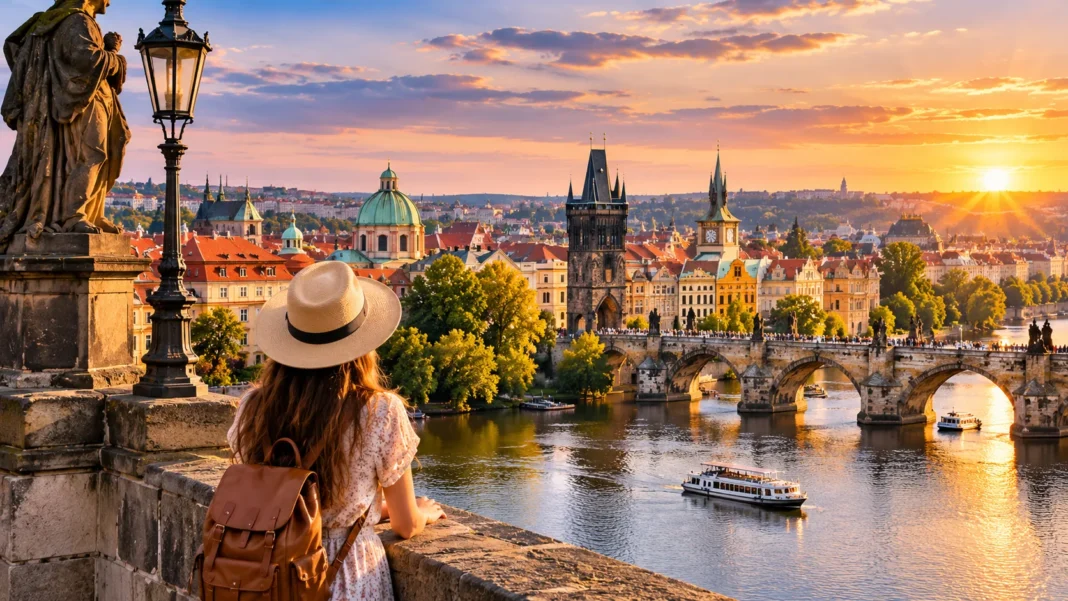

Prague is one of Europe’s most beautiful cities, attracting visitors with its medieval architecture, historic castles, charming streets, and picturesque river views. However, choosing the best time to visit Prague can make a significant difference to your travel experience. Weather conditions, accommodation prices, seasonal attractions, and tourist crowds change throughout the year, making certain months more suitable for different travel preferences.
The Czech capital experiences four distinct seasons, each offering its own atmosphere and attractions. Spring brings blooming gardens and pleasant walking conditions, while summer offers long daylight hours and lively outdoor activities. Autumn transforms the city’s parks with colorful foliage, whereas winter creates a festive atmosphere with Christmas markets, seasonal decorations, and traditional cultural celebrations.
Whether you are planning a romantic vacation, family holiday, or affordable European city break, understanding Prague’s seasonal differences is essential. This guide explains the best months to visit Prague, average temperatures, tourist seasons, and practical travel tips. It will help you choose suitable travel dates based on your budget, sightseeing plans, and preferred weather conditions.
When Is the Best Time to Visit Prague?
The best time to visit Prague is generally from late April to May and September to early October. These months offer comfortable temperatures, attractive scenery, and pleasant conditions for exploring the city’s historic attractions. Visitors can walk across Charles Bridge, explore Prague Castle, and discover Old Town Square without experiencing the strongest summer heat or coldest winter weather.
May is particularly appealing because parks become greener, outdoor cafés reopen, and longer daylight hours create more sightseeing opportunities. Average daytime temperatures typically reach around 19°C, making walking tours and exploring historic neighborhoods comfortable. Although occasional rain showers occur, the combination of spring flowers and mild weather makes Prague especially attractive during this period.
September is another excellent month, offering pleasant temperatures and a slightly calmer atmosphere after the busiest summer weeks. Daytime temperatures average approximately 20°C, while evenings gradually become cooler. Travelers can enjoy riverside walks, panoramic viewpoints, cultural attractions, and outdoor dining before the colder autumn weather arrives later in the season.
Understanding Prague’s Weather and Climate
Prague has a temperate climate with noticeable differences between summer and winter temperatures. Summers are generally warm, with average daytime highs around 23°C to 25°C, although occasional heatwaves can push temperatures above 30°C. Winters are significantly colder, with daytime temperatures often remaining between 0°C and 5°C during December, January, and February.
Spring weather can be unpredictable, particularly during March and April when cool mornings may be followed by warmer afternoons. Autumn follows a similar pattern, with September offering relatively mild conditions before temperatures gradually decline. These seasonal transitions make layered clothing especially useful for visitors planning extended outdoor sightseeing or walking tours.
Rainfall occurs throughout the year, with late spring and summer often bringing occasional showers or thunderstorms. Winter snowfall is possible, but snow-covered streets and rooftops are not guaranteed during every visit. Checking the latest weather forecast before departure helps travelers prepare for changing conditions and organize outdoor activities more effectively.
Visiting Prague in Spring: March to May
Spring is one of the most attractive seasons for visiting Prague because the city gradually emerges from winter. March remains relatively cool, with average daytime temperatures around 9°C, while April becomes noticeably milder. By May, pleasant temperatures and longer days create excellent conditions for sightseeing, walking through historic neighborhoods, and exploring Prague’s gardens.
Petřín Hill is particularly beautiful during spring when flowering trees and fresh greenery brighten the landscape. Visitors can explore the surrounding gardens, enjoy panoramic city views, and walk through charming streets near Prague Castle. Old Town Square and Charles Bridge also provide memorable sightseeing experiences, especially during quieter mornings before larger tourist groups arrive.
Spring visitors should prepare for occasional rainfall and changing temperatures throughout the day. A lightweight waterproof jacket, comfortable shoes, and layered clothing are useful for outdoor exploration. Easter celebrations and major cultural events may increase visitor numbers, so checking local schedules and reserving centrally located accommodation early can make travel planning easier.
Visiting Prague in Summer: June to August
Summer is Prague’s busiest travel season, attracting visitors with warm weather, outdoor entertainment, and extended daylight hours. June temperatures average around 23°C during the day, while July and August typically reach approximately 25°C. Occasional heatwaves can make the historic city center considerably hotter, particularly during afternoons when stone streets and buildings absorb sunlight.
Long summer evenings create opportunities for exploring Prague’s atmospheric streets and scenic riverfront locations. Visitors can enjoy Vltava River cruises, outdoor concerts, public gardens, and cultural performances across the city. Letná Park and Petřín Hill provide attractive green spaces, while illuminated buildings and bridges create beautiful views after sunset.
However, summer visitors should expect crowded attractions and potentially higher accommodation prices. Charles Bridge, Prague Castle, and Old Town Square can become particularly busy during popular sightseeing hours. Planning visits early in the morning, carrying drinking water, and reserving accommodation in advance can help make summer sightseeing more comfortable and organized.
Visiting Prague in Autumn: September to November
Autumn offers a wonderful combination of colorful scenery, cultural activities, and comfortable sightseeing temperatures. September often remains mild, with average daytime temperatures around 20°C, making it suitable for outdoor exploration. October becomes noticeably cooler, while November introduces shorter daylight hours, colder mornings, and an increasing possibility of cloudy or damp weather.
Prague’s parks and gardens become especially beautiful as leaves change to golden, orange, and reddish shades. Petřín Hill, Letná Park, and the gardens surrounding Prague Castle offer attractive seasonal scenery. Visitors interested in photography can capture historic buildings alongside colorful trees, particularly during clear mornings and afternoons with soft natural light.
September and early October are excellent choices for travelers who prefer exploring the city without the peak summer atmosphere. Accommodation availability may improve as summer tourism gradually declines, although major events can still increase demand. By November, cooler conditions make museums, traditional cafés, historic interiors, and indoor cultural attractions especially appealing.
Visiting Prague in Winter: December to February
Winter transforms Prague into an atmospheric European destination filled with seasonal decorations and traditional Christmas celebrations. December is particularly popular because festive markets illuminate historic squares and create a welcoming holiday atmosphere. January and February are generally quieter, offering opportunities to explore the city’s architecture and museums with fewer visitors than during peak tourism periods.
Prague’s Christmas markets traditionally take place around Old Town Square and Wenceslas Square, featuring seasonal food, handmade decorations, and festive entertainment. Historic buildings become especially attractive after dark when decorative lights illuminate nearby streets. Visitors can also enjoy cultural performances, museums, traditional restaurants, and cozy cafés during colder winter afternoons.
Winter temperatures usually range from approximately 0°C to 5°C during the day, with colder conditions possible overnight. Snow may occasionally enhance the city’s historic scenery, although significant snowfall is unpredictable. Warm coats, gloves, scarves, and comfortable footwear with good grip are essential when exploring Prague’s cobblestone streets during cold or icy conditions.
Prague Weather by Month: January to December
Understanding Prague’s monthly weather helps travelers select dates that match their preferred activities. January and February are usually the coldest months, with average daytime highs around 3°C to 5°C. March gradually becomes milder, while April and May bring increasingly comfortable conditions suitable for walking tours, gardens, and exploring outdoor attractions.
June, July, and August provide Prague’s warmest weather and longest daylight hours. Average daytime temperatures generally range between 23°C and 25°C, although individual days can become much hotter. September remains pleasant for sightseeing, while October introduces cooler air, colorful autumn foliage, and changing weather conditions throughout the city.
November marks the transition toward winter, with average daytime highs around 8°C and increasingly short days. December brings colder weather, festive decorations, and seasonal celebrations across central Prague. These temperatures represent general climate averages rather than guaranteed daily conditions, so travelers should review weather forecasts shortly before their visit.
Average Monthly Temperatures in Prague
| Month | Average Daytime High | Weather Conditions |
|---|---|---|
| January | 3°C | Cold, possible frost |
| February | 5°C | Cold, occasional snow |
| March | 9°C | Cool, early spring |
| April | 15°C | Mild, changeable weather |
| May | 19°C | Pleasant, occasional rain |
| June | 23°C | Warm, longer days |
| July | 25°C | Warm to hot |
| August | 25°C | Warm, occasional storms |
| September | 20°C | Mild and comfortable |
| October | 14°C | Cool, colorful autumn |
| November | 8°C | Chilly, shorter days |
| December | 4°C | Cold, festive atmosphere |
Best Time to Visit Prague for Budget Travelers
Budget-conscious travelers should consider visiting Prague during January, February, or November when tourist demand is generally lower. These months may offer more affordable accommodation compared with popular summer and holiday periods. However, hotel rates vary depending on special events, weekends, location, and how far in advance reservations are made.
The shoulder seasons can also provide reasonable value while offering more comfortable temperatures. March, early April, and late October may be suitable for visitors who want to balance accommodation expenses with sightseeing opportunities. Comparing different travel dates and staying slightly outside the busiest historic districts can sometimes reduce overall vacation costs.
Prague also provides several opportunities for affordable sightseeing throughout the year. Walking across Charles Bridge, exploring public squares, and enjoying scenic viewpoints can be done without expensive attraction tickets. Using public transportation, choosing reasonably priced restaurants, and planning a practical sightseeing route can further improve the value of a Prague city break.
Best Time to Visit Prague for Sightseeing
Sightseeing is one of the main attractions of visiting Prague, and comfortable weather makes walking through its historic neighborhoods more enjoyable. May, September, and early October are especially suitable for outdoor exploration. These months generally provide pleasant temperatures for visiting castles, historic bridges, public squares, and scenic viewpoints without the most uncomfortable seasonal conditions.
Popular landmarks include Prague Castle, Charles Bridge, Old Town Square, the Astronomical Clock, and St. Vitus Cathedral. Many attractions are located within or near the historic center, making walking a convenient way to experience Prague’s architecture. Exploring nearby streets also allows visitors to discover smaller squares, traditional shops, and interesting architectural details.
The timing of daily sightseeing activities can be just as important as choosing the right travel month. Charles Bridge and Old Town Square tend to become busiest during the middle of the day, especially in summer. Arriving early, booking timed-entry attractions where available, and allowing flexibility for unexpected weather can create a more relaxed travel experience.
Best Time to Visit Prague for Festivals and Cultural Events
Prague hosts numerous cultural events throughout the year, including music festivals, traditional celebrations, exhibitions, and seasonal markets. Spring is particularly appealing for visitors interested in classical music and cultural performances. The Prague Spring International Music Festival traditionally takes place in May and attracts performers and audiences from different parts of the world.
Summer brings outdoor concerts, performances, and entertainment throughout the city. Historic squares, public spaces, and cultural venues become lively gathering places during the warmer months. Autumn also offers classical concerts, exhibitions, and cultural programs, making September and October attractive for travelers interested in Prague’s artistic and historical traditions.
December is the most recognizable festive season because traditional Christmas markets bring decorations and seasonal activities to central Prague. Easter markets also appear during spring, providing opportunities to experience Czech traditions and handmade crafts. Festival schedules can change annually, so checking confirmed event dates before booking flights and accommodation helps prevent scheduling problems.
Best Time to Visit Prague for Photography and Scenic Views
Prague is an exceptional destination for photography because its Gothic towers, Baroque buildings, historic bridges, and riverside scenery create beautiful compositions. Spring and autumn are particularly attractive when gardens bloom or leaves change color. Mild temperatures also make it easier to spend extended periods outdoors exploring different neighborhoods and viewpoints.
Charles Bridge is one of Prague’s most photographed landmarks, especially during sunrise when the surrounding atmosphere is often quieter. Petřín Hill and Letná Park provide elevated perspectives of the Vltava River and historic city center. Visitors can also capture attractive architectural details around Prague Castle, Old Town Square, and the charming streets of Malá Strana.
Winter photography offers a different atmosphere with festive lights, misty mornings, and occasionally snow-covered rooftops. Summer provides longer daylight hours for photographing buildings and riverfront scenery. Regardless of the season, checking sunrise and sunset times helps travelers plan their photography around favorable lighting and avoid the busiest sightseeing periods.
Practical Travel Tips for Visiting Prague
Choosing suitable accommodation is important when planning a comfortable Prague vacation. Staying in or near Old Town provides easy access to historic landmarks, restaurants, and public transportation. Malá Strana offers charming streets close to Prague Castle, while neighborhoods such as Vinohrady may appeal to travelers seeking a more residential atmosphere.
Prague has an extensive public transportation network with metro services, trams, and buses connecting different parts of the city. Walking remains one of the best ways to explore the central historic districts, although cobblestone streets can become tiring. Comfortable footwear is essential, particularly when visiting uphill attractions or spending several hours exploring on foot.
Packing should reflect Prague’s seasonal weather and the activities included in your itinerary. Spring and autumn require layers and lightweight rain protection, while summer calls for breathable clothing and sun protection. Winter visitors need insulated coats and warm accessories, while travelers visiting during major festivals should reserve accommodation and attraction tickets well in advance.
Conclusion
The best time to visit Prague depends on your preferred weather, sightseeing interests, and travel budget. May and September are particularly appealing because they generally provide comfortable temperatures and enjoyable outdoor conditions. Late April and early October are also excellent alternatives for travelers interested in exploring Prague’s historic landmarks without the busiest summer atmosphere.
Summer is ideal for visitors who enjoy long daylight hours, outdoor entertainment, and lively cultural activities, although larger crowds and higher accommodation demand require preparation. Winter provides Christmas markets, traditional celebrations, and atmospheric historic streets, while January and February can offer a quieter experience. Spring and autumn deliver a pleasant balance of seasonal beauty and comfortable sightseeing.
Before booking your Prague vacation, consider the attractions you want to visit, expected weather conditions, and the overall cost of travel. Checking seasonal event schedules and planning suitable clothing will make your trip more comfortable. With thoughtful preparation, Prague offers memorable experiences throughout the year, regardless of when you choose to explore the Czech capital.
Frequently Asked Questions
What is the best month to visit Prague?
May and September are among the best months to visit Prague because they offer mild temperatures and comfortable sightseeing conditions. Both months are suitable for walking tours, exploring historic landmarks, and enjoying scenic outdoor attractions.
What is the cheapest time to visit Prague?
January, February, and November are often among the most affordable months to visit Prague outside major events. Lower tourist demand may create opportunities for cheaper hotels, although prices depend on booking dates and availability.
Is Prague better in summer or winter?
Summer is better for warm weather, outdoor festivals, and long sightseeing days. Winter offers festive Christmas markets, seasonal decorations, and a quieter atmosphere after the holidays, making the ideal choice dependent on personal travel preferences.
How many days are enough to explore Prague?
Three to four days are generally enough to visit Prague’s major attractions, including Prague Castle, Charles Bridge, Old Town Square, and Malá Strana. Additional days allow travelers to explore neighborhoods, museums, and nearby destinations.
Does Prague get snow during winter?
Prague can experience snowfall during December, January, and February, but consistent snow coverage is not guaranteed. Winter temperatures are often close to freezing, so visitors should prepare for cold weather, frost, and occasionally icy streets.