


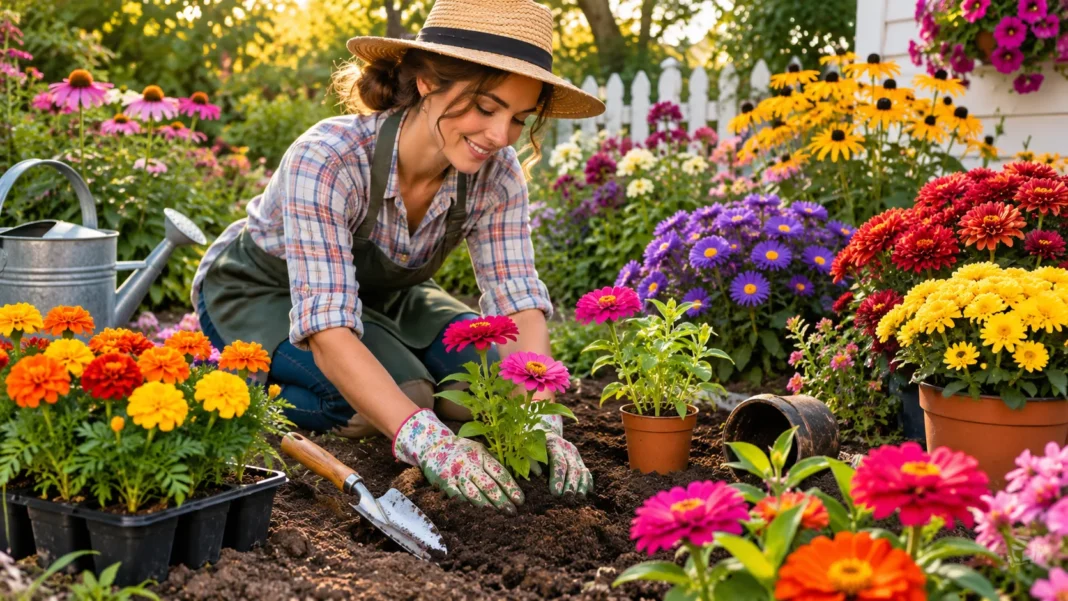

August is an interesting month for gardeners who want to add fresh colors and beautiful flowers to their outdoor spaces. Although summer temperatures may still be high, this month provides opportunities to grow seasonal blooms and prepare gardens for cooler weather. Choosing suitable flowers can help maintain a colorful garden as the seasons begin to change.
Many gardeners assume that the main planting season ends once summer reaches its peak. However, several annuals, perennials, and flowering plants can be planted during August, depending on local climate conditions. Some flowers establish roots during late summer, while others grow quickly enough to produce blooms before the first frost.
Understanding the best flowers to plant in August helps you select plants that suit your climate, soil, and garden space. This guide explores popular August flowers, planting techniques, watering requirements, and seasonal maintenance tips. Whether you prefer colorful flower beds, container gardens, or pollinator-friendly plants, these ideas will help you create a beautiful seasonal display.
Why August Is a Good Month for Planting Flowers
August can be a useful planting month because it allows gardeners to extend the flowering season and prepare for autumn. In regions with long growing seasons, warm soil encourages certain seeds to germinate quickly. Late-summer planting can also provide opportunities to replace flowers that have finished blooming. Choosing appropriate varieties helps maintain garden color.
In cooler climates, August is often a time for planting established perennials or preparing for fall-flowering plants. However, high temperatures and limited rainfall may make establishment difficult. Newly planted flowers need consistent moisture and protection from excessive heat. Understanding these conditions helps gardeners make suitable planting decisions.
The best flowers for August depend on geographic location and the expected date of the first frost. Warm regions may support continued planting of summer annuals, while cooler areas require more careful timing. Gardeners in the Southern Hemisphere are approaching spring rather than autumn. Local climate should always guide planting choices.
Zinnias: Colorful Flowers for Late Summer Gardens
In warm climates with a long frost-free season, zinnia seeds can be planted during August for additional blooms. They generally germinate quickly in warm soil, although flowering requires sufficient time before cold weather arrives. Gardeners in cooler regions may prefer established plants. Checking the remaining growing season helps determine whether late planting is practical.
Zinnias grow best in well-draining soil with plenty of sunlight. Water near the base of the plants to reduce unnecessary moisture on the foliage. Proper spacing encourages airflow and helps prevent certain fungal problems. Removing faded flowers can encourage continued blooming while keeping the garden looking fresh.
Marigolds: Easy Flowers to Plant in August
August planting can work well in areas where warm weather continues into autumn. French marigolds and certain compact varieties may flower relatively quickly when conditions are suitable. However, regions with early autumn frosts may have limited time for seed-grown plants to mature. Purchasing healthy young plants can provide faster results.
Marigolds prefer full sun and soil that drains efficiently. Water newly planted flowers consistently until they establish healthy roots. Once established, many varieties tolerate short dry periods, although excessive drought can reduce flowering. Deadheading spent blooms helps maintain a tidy appearance and may support additional flower production.
Sunflowers: Beautiful Blooms for Sunny Spaces
Sunflowers are recognizable for their large flower heads and bright yellow petals. They add height, texture, and visual interest to garden landscapes. Different varieties range from compact plants suitable for containers to tall flowers that create dramatic displays. Their seeds and flower structures can also support certain birds and pollinators.
Planting sunflowers in August is most successful in regions with enough warm weather remaining. Fast-growing dwarf varieties may be more practical than tall cultivars that require longer growing periods. Check the seed packet for estimated days to flowering. This helps determine whether the plants can bloom before the first frost.
Sunflowers generally require full sunlight and well-draining soil. Young plants need consistent moisture while their roots develop. Taller varieties may require support in exposed or windy locations. Avoid disturbing established roots unnecessarily, and select planting areas that provide enough room for mature growth.
Calendula: A Beautiful Flower for Cooler Weather
Calendula, commonly called pot marigold, is an attractive flowering plant that produces orange and yellow blooms. Unlike many heat-loving summer annuals, calendula generally prefers mild temperatures. It can be especially useful for gardens transitioning into cooler autumn weather. Its cheerful flowers provide color in borders and containers.
In regions with mild autumns, sowing calendula seeds in late August may allow plants to establish before cooler weather arrives. In extremely hot climates, waiting until temperatures decrease may produce better results. Some varieties also tolerate light frost. However, prolonged freezing conditions can damage or kill the plants.
Calendula grows best in well-draining soil and full sun to partial shade. During hot weather, afternoon shade may help protect the plants from stress. Keep the soil moderately moist during germination and early growth. Removing faded flowers can encourage additional blooms and help maintain a healthy garden display.
Cosmos: Delicate Flowers for Late Summer Color
August sowing may work in warm regions with a sufficiently long growing season. Certain cosmos varieties develop quickly and can provide flowers before autumn temperatures become too cold. However, plants started late in cooler regions may not bloom before frost. Choosing established plants or earlier-flowering varieties can improve the chances of success.
Cosmos prefer full sun and soil with good drainage. Excessively rich soil or heavy nitrogen fertilization can encourage leafy growth instead of abundant flowers. Water regularly while seedlings establish, then adjust according to weather and soil conditions. Deadheading can help extend flowering and maintain an attractive appearance.
Petunias: Colorful Flowers for Pots and Hanging Baskets
In regions with mild late-summer conditions, established petunia plants can provide additional color during August and early autumn. However, extreme heat may reduce flowering or cause temporary stress. Gardeners should select healthy plants and avoid transplanting during the hottest part of the day. Cooler mornings or evenings are generally more suitable.
Petunias grow best in sunny locations with fertile, well-draining soil. Container-grown plants may require frequent watering because their soil dries quickly. Balanced fertilization can support continued flowering when applied according to product instructions. Removing damaged growth and maintaining proper moisture helps keep plants attractive.
Chrysanthemums: Classic Flowers for Autumn Gardens
August can be a useful time to plant container-grown chrysanthemums in some regions. However, plants installed late in the season may not develop strong enough roots to survive a harsh winter. Gardeners seeking long-term perennials often achieve better results with spring planting. Late-summer mums are particularly useful for immediate seasonal decoration.
Chrysanthemums prefer well-draining soil and adequate sunlight. Water newly transplanted plants consistently to help their roots establish. Avoid allowing containers to become excessively dry, especially when temperatures remain high. Choosing locally hardy cultivars improves the possibility of returning flowers in future growing seasons.
Asters: Late-Season Flowers for Pollinators
Planting nursery-grown asters in August can work when soil moisture and temperatures are suitable. However, newly planted perennials may struggle during extreme heat or drought. Providing consistent moisture helps support root establishment. In colder regions, planting earlier in the season generally allows more time for roots to develop before winter.
Asters grow best in locations with suitable sunlight and well-draining soil. Their exact requirements vary between species and cultivars. Some varieties prefer consistently moist soil, while others tolerate relatively dry conditions once established. Selecting plants adapted to your region helps improve flowering and long-term garden performance.
Pansies and Violas: Flowers for Cooler August Regions
August planting can be suitable in cooler regions where autumn weather arrives early. However, these flowers often struggle during extremely hot conditions. Gardeners in warmer climates may achieve better results by waiting until September or October. The appropriate planting time depends on local temperatures rather than the calendar alone.
Pansies and violas prefer fertile, well-draining soil and consistent moisture. Full sun works well in cooler conditions, while partial shade can help during warmer weather. Removing faded blooms encourages a tidy appearance and may support continued flowering. Containers should have drainage holes to prevent waterlogged roots.
Rudbeckia: Bright Flowers for Late Summer Borders
Planting established Rudbeckia plants during August can be successful in suitable climates. However, intense heat and dry soil may make establishment difficult. Gardeners should select healthy plants and provide appropriate watering during the first several weeks. Seed sowing schedules vary considerably depending on the species and local climate.
Rudbeckia generally grows well in full sunlight and reasonably well-drained soil. Once established, many varieties tolerate periods of dry weather. Avoid excessive fertilization because it may encourage unnecessary leafy growth. Leaving some seed heads after flowering can provide seasonal interest and food for certain birds.
How to Choose the Best Flowers for August Planting
Choosing suitable August flowers begins with understanding your local growing conditions. Temperature, rainfall, sunlight, and the expected first frost date all influence planting success. Flowers that thrive in warm southern regions may struggle in cooler northern locations. Checking local gardening recommendations helps narrow the available choices.
Consider whether you want immediate flowers or plants that will establish for future seasons. Nursery-grown annuals can provide quicker color, while perennial plants may require additional time to develop roots. Seeds also differ in their germination and flowering periods. Selecting the appropriate planting method helps match your goals with available growing time.
Garden space is another important factor. Compact flowers such as marigolds and pansies can work in containers, while taller plants may need larger flower beds. Consider mature plant size, watering requirements, and sunlight exposure. Combining flowers with similar needs makes garden maintenance easier and more consistent.
How to Prepare Soil Before Planting August Flowers
Healthy soil provides an important foundation for successful flower growth. Before planting, remove weeds, fallen debris, and unwanted plant material from the growing area. Loosen compacted soil carefully to improve root development and drainage. Proper preparation allows new plants to establish more effectively.
Adding well-rotted compost can improve soil structure and provide gradual nutrient availability. However, different flowers have different fertility requirements, so excessive amendments are not always beneficial. Some plants prefer moderately fertile soil rather than rich growing conditions. A soil test can help identify existing nutrient deficiencies when necessary.
Drainage is especially important because standing water can damage roots and increase disease risks. Heavy clay soil may require improvements or raised planting beds. Container gardens should use suitable potting mixes rather than compacted garden soil. Preparing the growing environment carefully helps reduce problems after planting.
How to Water Flowers Planted in August
August often brings hot temperatures that increase water loss from soil and plants. Newly planted flowers require consistent moisture while their roots become established. Water deeply enough to moisten the root area without leaving the soil waterlogged. The appropriate frequency depends on plant type, weather, and drainage conditions.
Early morning watering is generally useful because it allows moisture to reach the roots before strong daytime heat. Watering near the soil surface can also reduce unnecessary wetting of foliage. However, plants showing signs of serious dryness may need water whenever necessary. Avoid following rigid schedules without checking soil moisture.
Mulching can help conserve moisture and moderate soil temperatures. Organic materials such as shredded leaves or suitable bark mulch can reduce evaporation. Keep mulch slightly away from plant stems to limit moisture-related problems. Consistent watering and appropriate mulch help newly planted flowers handle late-summer conditions.
Common Mistakes to Avoid When Planting Flowers in August
One common mistake is selecting flowers without considering the remaining growing season. Some annuals require several weeks or months to produce blooms from seed. In regions with early frosts, late planting may not provide enough time. Checking the expected maturity period helps prevent disappointing results.
Another mistake involves transplanting flowers during extreme midday heat. High temperatures can increase moisture loss and stress newly installed plants. Planting during cooler parts of the day may reduce this problem. Providing appropriate water and temporary shade can also help sensitive plants establish.
Overwatering and overcrowding are additional concerns for August gardens. Excessive moisture may contribute to root problems, while poor spacing can limit airflow. Follow the recommended planting distances for each variety. Careful maintenance helps reduce disease risks and supports healthier flowering plants.
Conclusion
August offers valuable opportunities to add color and seasonal interest to gardens when appropriate flowers are selected. Zinnias, marigolds, cosmos, calendula, chrysanthemums, asters, and other flowering plants provide different options. The best choices depend on local temperatures, growing conditions, and the remaining frost-free period.
Successful August planting requires suitable soil preparation, consistent watering, and careful attention to weather conditions. Heat-loving annuals may perform well in warmer regions, while cool-season flowers are better suited to mild temperatures. Choosing locally adapted plants helps improve establishment and flowering results.
Whether you are refreshing flower beds, preparing for autumn blooms, or creating colorful containers, August can be a productive gardening month. Begin with flowers suited to your climate and provide appropriate care as they establish. With thoughtful planning, your garden can remain beautiful well beyond the peak of summer.
Frequently Asked Questions
What are the best flowers to plant in August?
Zinnias, marigolds, cosmos, calendula, chrysanthemums, and asters are useful options in suitable climates. The best choices depend on local temperatures, the expected first frost date, and whether you plant seeds or established flowers.
Can I plant flower seeds in August?
Yes, certain flower seeds can be planted during August, especially in regions with long growing seasons. Fast-growing annuals may bloom before frost, while other species establish for later flowering periods.
What flowers bloom during August?
Common August-blooming flowers include zinnias, marigolds, cosmos, sunflowers, Rudbeckia, and some asters. Exact flowering periods vary depending on climate, planting date, and the specific variety.
Is August too late to plant perennials?
Not necessarily. Container-grown perennials can establish during August in suitable conditions, but extreme heat and early frosts may create challenges. Adequate watering and sufficient root establishment time are important.
How often should I water flowers planted in August?
Newly planted flowers need consistent moisture until their roots establish. Check the soil regularly and water when appropriate, adjusting for plant requirements, rainfall, temperature, and drainage rather than following a fixed daily schedule.