



Ask someone to picture a two-way radio and they will probably describe a handheld unit clipped to a belt. That is only part of the story. A lot of professional radiocommunication runs through equipment bolted into a truck, fixed to a boat, wired into a cockpit, or installed at an industrial plant. Delivery fleets, security patrols, construction firms, ranches, ports, mines, and factories all depend on radios made for a specific environment, not just for a pair of hands.
This guide covers the main categories of professional radios, explains how mobile units differ from portable ones, and points out what to check before you buy. It also looks at repeaters, accessories, and the technology changes of the past several years.
Portable vs. Mobile Radios
The two terms often get used interchangeably, but they describe different products.
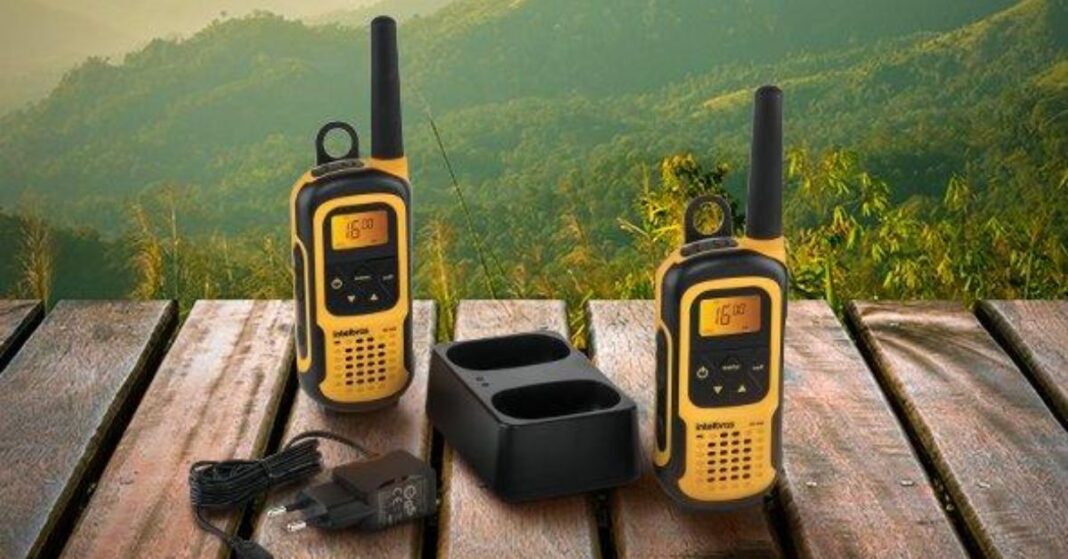
A portable radio is a handheld unit. It runs on a rechargeable battery, weighs a few hundred grams, and is meant to travel with the person using it. Because the battery and antenna are small, transmit power is limited, usually to a few watts.
A mobile radio is installed in a car, truck, tractor, or similar vehicle and draws power from its electrical system. Without a small battery to worry about, it can transmit at higher power, commonly 25 to 50 watts depending on the model. It also connects to an external antenna on the roof or body of the vehicle, and that placement is one of the main reasons a mobile radio reaches so much farther than a handheld.
Most organizations end up using both. A driver stays in contact with dispatch from the road on a mobile unit, while a technician working on foot at a customer site carries a portable on the same channel. If you are comparing mobile models for a vehicle or a whole fleet, a store like RadioRed lists units from Kenwood, ICOM, and Motorola, which makes it easier to weigh power, band, and digital features side by side before you commit.
Why Radios Still Matter in the Smartphone Era
It is fair to ask whether smartphones have made dedicated radios obsolete. For many professional settings they have not, and the reasons are practical.
Cellular coverage in Mexico is solid in cities and along major highways, but it gets patchy in mountain regions, remote farmland, desert stretches, coastal waters, and industrial zones far from towers. Two-way radios do not rely on carrier infrastructure, so they keep working where a phone shows no bars.
Push-to-talk is the other advantage. There is no dialing, no waiting for a call to connect, and no per-minute charge. One press reaches an entire team at once, which matters when a dispatcher needs to redirect several drivers or a supervisor has to issue a warning.
Professional radios are also built to take a beating. They tolerate dust, vibration, moisture, and temperature swings that would damage a consumer phone, and their audio is designed to stay clear in noisy places like engine rooms and job sites.
Mobile Radios for Vehicles and Fleets
Vehicle fleets are the most common home for mobile radios. Transport companies, taxi cooperatives, school transport operators, tow services, utility crews, and security firms use them to coordinate movements and respond to incidents.
A few specifications deserve the most attention when choosing one:
- Frequency band. VHF and UHF are the two common options. VHF tends to perform well in open terrain and rural areas, while UHF usually handles buildings and dense urban settings better. Pick based on where your vehicles actually spend their time.
- Output power. More power means more range, but it should match the area you need to cover and the licensing conditions that apply to you.
- Digital capability. Many current models support digital modes alongside analog, so you can modernize gradually instead of replacing everything at once.
- Controls and display. Drivers need to operate the radio with minimal distraction, so clear displays, large knobs, and programmable buttons are worth having.
- Installation options. Compact bodies and remote-mount kits make it easier to fit a radio into different vehicle types.
Marine Radios: Communication on the Water
Boats are hard on electronics. Salt air corrodes metal, water exposure never really stops, and in an emergency a working radio can mean the difference between a quick rescue and a long wait.
Marine radios operate on the VHF marine band and are built to be waterproof or water-resistant. Some portable models even float. Fixed-mount units are installed on the vessel and connected to a masthead antenna, which gives them far better range than a handheld.
When shopping, look at the waterproof rating first and make sure it fits how much exposure the radio will really face. Many marine radios also include a dedicated distress function that sends an emergency call quickly, and some link to GPS so the vessel’s position goes out automatically. Channel scanning helps crews keep track of weather and traffic, and a large display that stays readable in direct sunlight is more useful than it sounds once you are out on open water.
For fishing cooperatives, tour operators, port services, and recreational boaters along the Pacific and Gulf coasts or on larger inland lakes, a marine radio is a basic safety tool, not an optional extra.
Aviation Radios
Aviation communication has its own frequencies, procedures, and performance demands. Aircraft radios work in the VHF airband, and the audio has to stay intelligible despite engine noise and changing flight conditions.
Panel-mounted units are built into the aircraft’s avionics. Handheld aviation transceivers are common as backups, and they are also used by glider pilots, light-aircraft pilots, and ground crews who need to talk to aircraft on the airfield. For portable models, audio quality, battery life, multi-frequency monitoring, and headset compatibility are the main things to compare. Because aviation use is regulated, operators should confirm that both the equipment and the way it is used meet the requirements set by the relevant Mexican aviation authorities.
SEE MORE: How Education Influences Economic Development
Intrinsically Safe Radios for Hazardous Environments
In some workplaces, an ordinary electronic device is a genuine hazard. Where flammable gases, vapors, or combustible dust may be present, a spark or excess heat from a radio could set off an explosion. Oil and gas facilities, refineries, chemical plants, fuel storage and distribution sites, grain handling operations, and certain mines all fall into this category.
Intrinsically safe radios are engineered so they cannot release enough electrical or thermal energy to ignite a hazardous atmosphere, even when something fails. They are tested and certified to recognized standards, and the certification label states which classes of hazardous areas they are approved for.
If you are buying for a site like this, keep three things in mind. First, certification is not negotiable: the radio’s rating has to match the hazard classification of the area, and a rating for one type of hazard does not automatically cover another. Second, accessories count. Batteries, antennas, and audio accessories generally need to be approved for use with the radio, and swapping in non-approved parts can void the safety rating. Third, site rules matter. Safety managers should define which equipment is allowed in each zone and train staff accordingly.
This is one of the clearest cases where price and range are not the deciding factors. The environment sets the requirements.
Repeaters: Reaching Past the Horizon
Radio signals travel in fairly straight lines, so hills, buildings, and sheer distance all limit coverage. A repeater fixes that by receiving a signal and retransmitting it, usually from a high point with a strong antenna.
A well-placed repeater can stretch the usable range of both mobile and portable radios dramatically. That is especially helpful for operations spread over large areas, such as ranches, quarries, highways, campuses, and industrial parks, or for cities where tall buildings block direct communication.
Digital repeaters add another benefit. Many can carry more than one conversation on a single frequency by splitting it into time slots, which makes better use of limited spectrum and can lower infrastructure costs for larger organizations. When planning a repeater system, think about where the antenna will go, how it will be powered (including backup power), and what licensing applies to the frequencies you plan to use.
Accessories Worth Paying Attention To
A radio is only as good as what surrounds it, and small upgrades can noticeably improve clarity, comfort, and safety.
Antennas come first. The right antenna, installed correctly, can extend range more than a bump in power, and on vehicles a roof-mounted antenna generally performs best. Microphones matter too: a handheld mic for a mobile radio or a remote speaker-mic for a portable gives clearer audio and easier handling. In noisy settings, or when discretion is needed, headsets and earpieces help people hear properly and keep their hands free.
For portables, spare batteries and multi-unit charging stations keep radios ready through a full shift. Mounting brackets, power cables, and fuses keep vehicle installations tidy and reliable, and carrying cases and clips protect equipment from knocks. Whatever you buy, check that each item is designed for your exact radio model, especially in hazardous or demanding environments.
Technology Trends Shaping Radiocommunication
The industry has changed a lot in recent years, and a few developments stand out.
Digital modes. Standards such as DMR have become common in professional use. They deliver clearer audio at the edge of coverage, use spectrum more efficiently, and add features like private calls, group calls, and text messaging.
Integrated GPS. Many modern radios report their location, which helps dispatchers track vehicles, find personnel, and respond faster in an emergency.
Better audio processing. Noise-cancelling features help voices come through in loud places such as factories, construction sites, and engine compartments.
Data and connectivity. Some radios can work with dispatch software, send alerts, or pair wirelessly with accessories like Bluetooth headsets.
Battery improvements. Lithium-based batteries give portables longer working hours at lower weight.
Hybrid systems. Some organizations combine traditional radios with broadband push-to-talk services and use each where it performs best.
None of this replaces what makes a radio valuable in the first place, which is dependable, immediate communication. The new features simply make the tool more flexible.
Practical Questions to Ask Before You Buy
Choosing well is easier when you start from the work to be done instead of a model number. These questions help:
- Where will the radio be used? City streets, open highways, a port, a refinery, and a remote ranch all call for different solutions.
- How many people need to communicate? A small crew has different needs from a large organization with several departments.
- How much coverage do you need? If the area is large or full of obstacles, consider whether a repeater is necessary.
- Analog, digital, or both? If you already own analog radios, a dual-mode model can ease the transition.
- What conditions will the equipment face? Think about water, dust, impact, heat, and any hazardous atmospheres.
- What will you need around the radio? Plan for antennas, microphones, batteries, chargers, and mounting hardware from the start.
- What are the regulatory requirements? Radio use in Mexico is subject to rules on frequencies and licensing, so confirm what applies to your operation before installing a system.
It also pays to buy from a supplier that carries recognized brands, publishes clear specifications, and offers a broad range of compatible accessories, so your system can grow without compatibility headaches.
Final Thoughts
Mobile, portable, marine, aviation, and intrinsically safe radios all fall under the same “two-way radio” label, but each one solves a different problem. A fleet manager needs dependable range from a vehicle-mounted unit. A boat captain needs waterproof construction and distress features. A plant safety officer needs certified equipment that will never become an ignition source. Repeaters extend coverage where terrain gets in the way, and the right accessories turn a good radio into a complete communication system.
The technology keeps moving toward digital audio, location features, and tighter integration, but the basics have not changed: match the equipment to the environment, plan your coverage, and choose compatible, certified components. Do that, and a radio system can stay dependable for years, even in demanding conditions.