


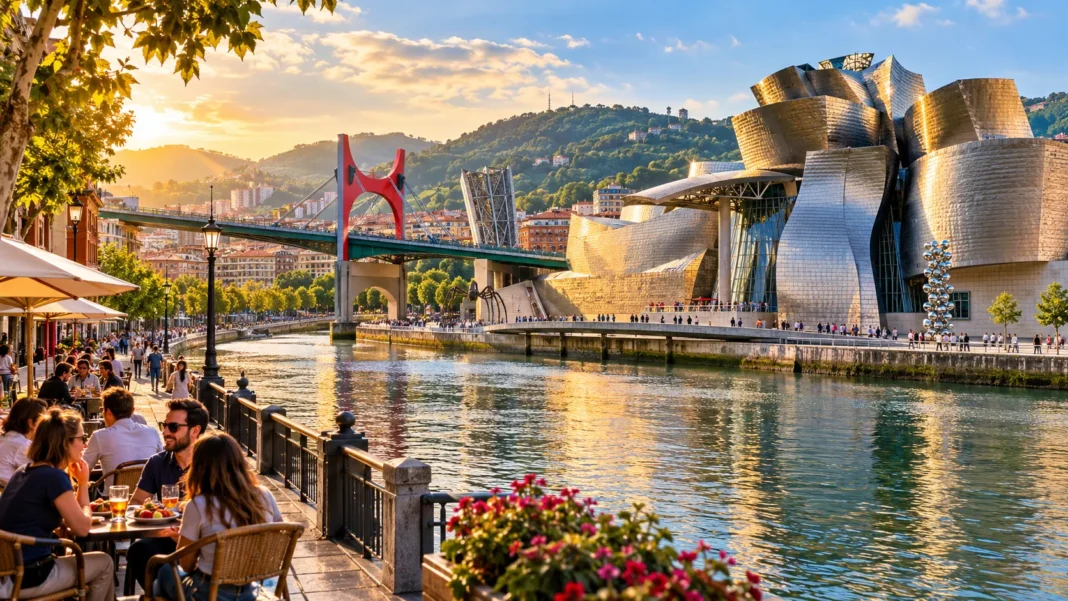

Bilbao is one of northern Spain’s most exciting travel destinations, offering a wonderful combination of modern architecture, historic neighborhoods, delicious food, and beautiful natural scenery. Located in the Basque Country, this lively city has transformed from an industrial center into a popular destination for art lovers, food enthusiasts, and curious travelers. Whether you enjoy exploring museums, walking through charming streets, or discovering local traditions, Bilbao offers something memorable.
This Bilbao Spain travel guide covers the best things to do in Bilbao, must-see attractions, beautiful viewpoints, local food experiences, and nearby destinations worth exploring. You will also discover practical travel tips, transportation options, and itinerary ideas to help organize your visit. From the world-famous Guggenheim Museum to the historic Casco Viejo, every part of Bilbao reveals a different side of the city.
Why Bilbao Is One of the Best Places to Visit in Spain
Bilbao is the largest city in Spain’s Basque Country and an excellent destination for travelers looking beyond traditional Spanish tourist hotspots. Surrounded by green hills and connected by the Nervión Estuary, the city combines natural beauty with an impressive urban landscape. Its welcoming atmosphere, distinctive culture, and walkable neighborhoods make exploring Bilbao enjoyable throughout the year.
One of Bilbao’s most fascinating features is its successful transformation from an industrial city into a center of art, culture, and tourism. Former industrial areas now feature riverside promenades, modern buildings, public art, and attractive gathering spaces. However, the city has carefully preserved its historic architecture, traditional markets, and strong Basque identity alongside these modern developments.
Unlike some of Spain’s busiest tourist destinations, Bilbao offers opportunities to experience everyday local life while visiting famous attractions. Travelers can discover traditional restaurants, explore historic churches, admire contemporary architecture, and enjoy peaceful parks within a relatively compact area. This balance of culture, history, and authentic experiences makes Bilbao an excellent choice for a Spanish city break.
Visit the Iconic Guggenheim Museum Bilbao
The Guggenheim Museum Bilbao is undoubtedly one of the most famous attractions in Bilbao and a major reason travelers visit the city. Designed by architect Frank Gehry, the museum features extraordinary curved surfaces covered with shimmering titanium panels. Its remarkable appearance changes with the surrounding light, making the building itself an impressive artistic landmark even before visitors enter.
Inside the museum, visitors can explore modern and contemporary art through exhibitions featuring internationally recognized artists and innovative creative works. The spacious galleries display paintings, installations, sculptures, and other thought-provoking artistic experiences. Exhibitions change regularly, so checking the current program before visiting helps travelers decide how much time to spend exploring the museum’s impressive collection.
Outside, several remarkable sculptures make the surrounding grounds equally interesting for visitors who appreciate public art and photography. Jeff Koons’ colorful flower-covered Puppy is particularly popular, while Louise Bourgeois’ giant spider sculpture, Maman, creates another unforgettable sight. Walking beside the museum along the river also offers beautiful photography opportunities and impressive views of Bilbao’s distinctive architectural landscape.
Explore Casco Viejo, Bilbao’s Historic Old Town
Casco Viejo, also known as Bilbao’s Old Town, is one of the most charming neighborhoods to explore during your visit. This historic district features narrow pedestrian streets, colorful buildings, traditional shops, and beautiful architectural details. Its famous Siete Calles, meaning Seven Streets, form the original heart of Bilbao and reveal fascinating glimpses of the city’s medieval beginnings.
One of the most important landmarks in the neighborhood is Santiago Cathedral, a beautiful Gothic church dedicated to Saint James. Visitors can admire its historic architecture before continuing toward nearby squares, traditional businesses, and inviting local cafés. The surrounding streets offer excellent opportunities for relaxed sightseeing, especially for travelers interested in discovering the cultural heritage of northern Spain.
Exploring Casco Viejo is particularly enjoyable without following a strict sightseeing schedule or rushing between major attractions. Small shops sell regional products, local bakeries offer delicious treats, and historic buildings appear around unexpected corners. Evening visits reveal another side of the neighborhood as restaurants become lively and residents gather to enjoy Bilbao’s friendly social atmosphere.
Experience Plaza Nueva and Bilbao’s Famous Pintxos Culture
Plaza Nueva is one of Bilbao’s most recognizable public squares and a wonderful place to experience local traditions. Surrounded by elegant neoclassical buildings and covered walkways, this historic square features restaurants, cafés, and traditional pintxos bars. Its attractive architecture and lively atmosphere make it a popular meeting place for residents and visitors exploring the Old Town.
Pintxos are small Basque dishes that often feature ingredients such as seafood, vegetables, cheese, meat, or freshly baked bread. Unlike a formal restaurant meal, enjoying pintxos allows visitors to sample several different flavors in smaller portions. Popular options include traditional potato omelets, grilled mushrooms, seafood combinations, and creative seasonal specialties prepared using fresh regional ingredients.
A pintxos experience becomes even more enjoyable when you explore several different food spots rather than choosing just one restaurant. Take your time examining the selections, ask about local specialties, and discover which combinations appeal to your tastes. This simple food tradition provides a memorable introduction to Basque gastronomy and is among the best cultural experiences in Bilbao.
Discover Mercado de la Ribera and Bilbao’s Riverside
Located beside the historic riverfront, Mercado de la Ribera is one of the city’s most interesting attractions for food lovers. This impressive covered market brings together fresh produce, seafood, meats, cheeses, and other regional ingredients. Its spacious interior and attractive architectural design create an enjoyable environment for discovering the foods that influence traditional Basque cooking.
Walking through the market provides a closer look at the ingredients used in many of Bilbao’s most popular local dishes. Visitors can discover colorful vegetable displays, fresh seafood selections, and stalls offering regional specialties. Some areas also provide prepared food options, making the market a convenient place to enjoy a casual meal during a busy sightseeing day.
After exploring the market, continue walking along the nearby river to appreciate another beautiful part of Bilbao’s historic landscape. The Church of San Antón and its neighboring bridge create one of the city’s most recognizable traditional scenes. This area is particularly attractive for photography, with historic structures, flowing water, and picturesque streets creating memorable views.
Ride the Artxanda Funicular for Stunning City Views
For one of the best panoramic views of Bilbao, take the Artxanda Funicular to the hillside overlooking the city. This historic railway connects the lower city with Mount Artxanda, offering a convenient journey toward an impressive scenic viewpoint. The ride itself adds a memorable experience to your Bilbao itinerary, especially if you enjoy discovering cities from above.
From the top, visitors can admire Bilbao’s skyline, surrounding green hills, winding river, and distinctive urban neighborhoods. On clear days, famous landmarks such as the Guggenheim Museum and several major bridges can be identified from the viewpoint. The elevated location provides a different perspective on how Bilbao developed within its naturally beautiful valley landscape.
Mount Artxanda also features walking areas and relaxing spaces where visitors can enjoy a peaceful break from busy city attractions. The surroundings are particularly pleasant during mild weather, when outdoor sightseeing feels comfortable and the distant views remain clear. Consider visiting during the late afternoon when softer sunlight creates attractive conditions for landscape photography.
Discover Bilbao Fine Arts Museum and Azkuna Zentroa
Although the Guggenheim receives international attention, Bilbao has several additional cultural attractions that deserve a place on your itinerary. The Bilbao Fine Arts Museum features an extensive collection covering different artistic periods, including works by Spanish, European, and Basque artists. Its galleries provide another compelling destination for visitors interested in art and history.
Another fascinating cultural destination is Azkuna Zentroa, a former wine warehouse transformed into a contemporary cultural and community center. The building combines historic industrial architecture with creative modern interior design, including an unusual collection of decorative columns. Visitors can explore its public spaces, cultural exhibitions, and changing artistic programs depending on their interests.
These cultural attractions reveal Bilbao’s commitment to combining traditional heritage with modern creativity and community experiences. Art enthusiasts can appreciate the contrast between classical collections, contemporary installations, and innovative architectural spaces. Including these destinations in your travel plans also provides enjoyable indoor activities when rainy weather makes outdoor sightseeing less appealing.
Walk Along Bilbao’s Riverfront and Famous Bridges
Walking beside the Nervión Estuary is one of the most enjoyable free things to do in Bilbao. Beautiful waterfront paths connect several important attractions while revealing modern buildings, landscaped public spaces, and striking river crossings. The pleasant walking routes make it easy to explore different neighborhoods while experiencing the transformation that has shaped the city’s appearance.
One of the most distinctive crossings is the Zubizuri Bridge, designed by Spanish architect Santiago Calatrava and recognized for its curved white structure. Another famous landmark is La Salve Bridge, which rises dramatically beside the Guggenheim Museum. Both bridges offer interesting architectural details and attractive viewpoints for travelers who enjoy urban photography and modern design.
Continue exploring toward the Abandoibarra district, where former industrial spaces have become attractive cultural and recreational areas. Nearby, Doña Casilda Iturrizar Park provides green lawns, mature trees, and peaceful walking paths that offer a break from sightseeing. Travelers interested in football can also consider visiting San Mamés Stadium, the home of Athletic Club, when tours or matches are available.
Take Day Trips to Getxo, Portugalete, and the Basque Coast
Bilbao is an excellent starting point for exploring nearby coastal destinations, charming towns, and natural landscapes throughout the Basque Country. One of the easiest excursions is Getxo, a coastal municipality known for its seaside neighborhoods, historic buildings, and attractive waterfront. Visitors can enjoy scenic walks, discover beaches, and experience a quieter atmosphere away from central Bilbao.
A major attraction connecting Getxo and Portugalete is the famous Vizcaya Bridge, also called the Bizkaia Bridge. This remarkable transporter bridge is recognized as a UNESCO World Heritage Site because of its historic engineering importance. Visitors can experience its unusual crossing system and admire impressive views of the surrounding estuary and coastal landscape.
Travelers with additional time can explore beaches such as Ereaga and Arrigunaga or venture farther along the Basque coastline. These destinations offer opportunities for coastal walks, photography, sightseeing, and enjoying the region’s beautiful natural surroundings. Bilbao’s public transportation network makes several nearby locations accessible without renting a car, helping visitors explore more of northern Spain.
How to Spend Two or Three Days in Bilbao
A two-day Bilbao itinerary is ideal for experiencing the city’s most famous attractions without creating an overly demanding sightseeing schedule. On your first day, visit the Guggenheim Museum, explore the nearby waterfront, and admire the distinctive bridges. Spend the afternoon discovering Casco Viejo before enjoying a relaxed evening around Plaza Nueva and its traditional restaurants.
During your second day, explore Mercado de la Ribera, visit the Bilbao Fine Arts Museum, and discover additional cultural attractions. Afterward, take the Artxanda Funicular to enjoy scenic views of the city and surrounding hills. If time allows, stroll through Doña Casilda Park or explore the attractive streets and shops of the central Ensanche district.
Travelers spending three days in Bilbao can use their final day for a rewarding excursion beyond the city center. Consider visiting Getxo and Portugalete, experiencing the historic Bizkaia Bridge, or enjoying a peaceful coastal walk. This additional day provides enough flexibility to discover nearby attractions while still leaving time for spontaneous experiences and relaxed sightseeing.
Essential Bilbao Travel Tips: When to Visit and Getting Around
The best time to visit Bilbao depends on your preferred activities, weather expectations, and travel schedule. Spring and early autumn often provide comfortable conditions for sightseeing, outdoor walks, and exploring nearby coastal destinations. Summer brings longer daylight hours and a lively atmosphere, while winter offers quieter experiences, although rain is possible throughout the year.
Bilbao has a convenient transportation network that includes metro services, buses, trams, and connections to surrounding communities. Bilbao Airport is located outside the city center, with public transportation and taxis available for arriving travelers. Many central attractions are within walking distance, making comfortable footwear and a flexible daily sightseeing plan particularly useful.
For accommodation, Casco Viejo suits visitors who enjoy historic surroundings, lively streets, and easy access to traditional restaurants. Abando and the Ensanche district are convenient alternatives for travelers seeking central hotels, shopping, and transportation connections. Learning a few common Spanish or Basque greetings can also make local interactions more enjoyable while experiencing the region’s distinctive culture.
Conclusion
Bilbao offers an exciting combination of artistic landmarks, historic neighborhoods, excellent food, and beautiful natural scenery. From exploring the Guggenheim Museum to wandering through Casco Viejo, visitors can discover experiences that reflect both the city’s industrial past and its modern cultural identity. Its welcoming streets and distinctive Basque atmosphere make Bilbao a memorable destination for travelers.
One of the greatest advantages of visiting Bilbao is the variety of experiences available within a relatively compact area. You can explore museums, enjoy traditional pintxos, photograph beautiful architecture, and admire scenic viewpoints without spending hours traveling between attractions. Nearby coastal towns and historic landmarks provide even more opportunities for visitors planning a longer stay.
Whether you are organizing a weekend escape or including Bilbao in a larger northern Spain itinerary, the city deserves a place on your travel list. Planning ahead for major attractions while leaving time for spontaneous exploration helps create a more enjoyable experience. With its fascinating history, creative spirit, and delicious local cuisine, Bilbao offers plenty of reasons to return.
Frequently Asked Questions About Visiting Bilbao
Is Bilbao, Spain, Worth Visiting?
Yes, Bilbao is worth visiting for its remarkable architecture, historic Old Town, excellent Basque cuisine, and cultural attractions. It is especially appealing to travelers interested in art, food, history, and exploring northern Spain.
How Many Days Do You Need in Bilbao?
Two to three days are generally enough to explore Bilbao’s main attractions, including the Guggenheim Museum and Casco Viejo. An additional day allows time for coastal excursions or nearby towns.
What Is Bilbao Best Known For?
Bilbao is best known for the Guggenheim Museum, its modern architectural transformation, traditional pintxos, and distinctive Basque culture. The city is also famous for its historic neighborhoods and attractive riverside scenery.
What Is the Best Month to Visit Bilbao?
May, June, and September are excellent months to consider for visiting Bilbao because temperatures are often comfortable for sightseeing. However, northern Spain experiences variable weather, so visitors should prepare for occasional rain.
Can You Explore Bilbao Without a Car?
Yes, Bilbao is easy to explore without a car because many attractions are centrally located and accessible on foot. Metro services, buses, and trams provide convenient connections to other neighborhoods and nearby destinations.