


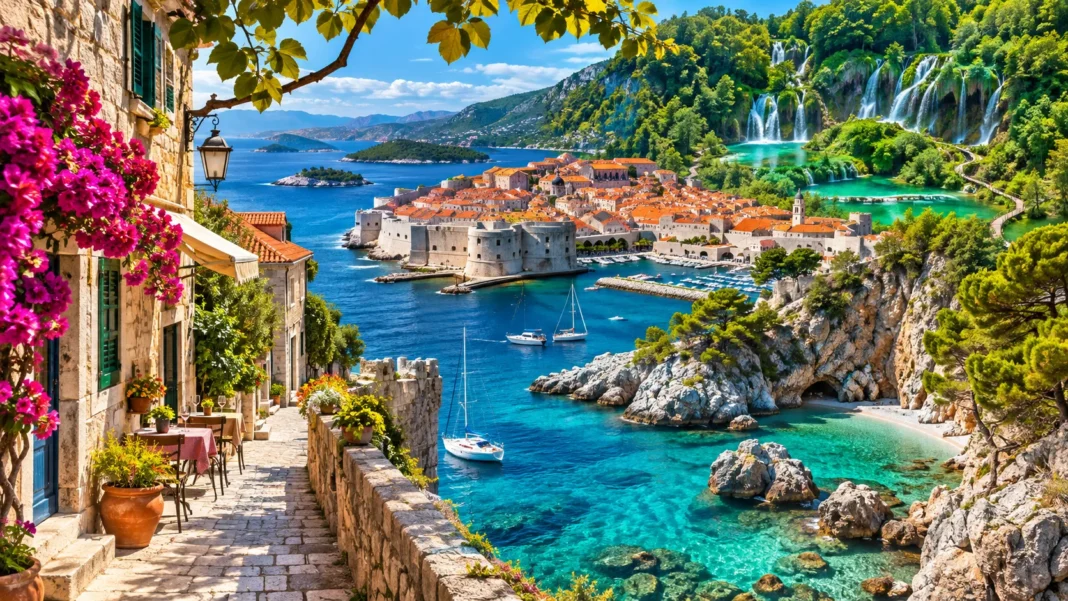

Croatia is one of Europe’s most beautiful travel destinations, offering historic cities, turquoise beaches, breathtaking waterfalls, and charming coastal towns. Located along the Adriatic Sea, the country combines Mediterranean scenery with centuries of cultural history. From ancient stone streets to peaceful island villages, Croatia offers unforgettable experiences for travelers who enjoy nature, history, and adventure.
The best places to visit in Croatia include Dubrovnik, Split, Plitvice Lakes National Park, Hvar Island, Rovinj, and Zadar. These famous destinations attract visitors with their remarkable architecture, coastal landscapes, and cultural attractions. However, the country also has lesser-known treasures such as Vis Island, Motovun, and the picturesque villages of the Dalmatian coast.
Whether you are planning a summer beach vacation, a romantic getaway, or a cultural adventure, Croatia has destinations for different travel styles. This guide explores 15 must-see places, combining popular attractions with hidden gems. You will also discover practical travel tips, seasonal recommendations, and ideas for planning a memorable Croatian holiday.
Dubrovnik: Explore Croatia’s Famous Walled City
Dubrovnik is one of the most recognizable destinations in Croatia, famous for its impressive medieval walls and orange-roofed buildings. The historic Old Town overlooks the beautiful Adriatic Sea and contains narrow streets, stone churches, and elegant squares. Walking through its historic center feels like exploring a living museum. Its remarkable architecture has also earned international recognition as a UNESCO World Heritage Site.
One of the most popular experiences is walking along the ancient city walls. These fortifications provide spectacular views of Dubrovnik’s rooftops, surrounding islands, and turquoise coastline. Visitors can also explore Stradun, the city’s main pedestrian street, and discover historic attractions such as Rector’s Palace. The surrounding viewpoints create excellent opportunities for travel photography.
Dubrovnik can become extremely busy during the summer months, particularly when cruise ships arrive. Visiting in late spring or early autumn often provides more comfortable temperatures and fewer crowds. Spending at least two days allows time to explore beyond the main streets. Nearby Lokrum Island is another attractive destination for a relaxing excursion.
Split: Discover Ancient History by the Sea
Split is Croatia’s second-largest city and one of the most fascinating destinations along the Dalmatian coast. Its historic center developed around Diocletian’s Palace, a Roman complex constructed around the beginning of the fourth century. Unlike many preserved archaeological sites, the palace remains part of an active urban neighborhood. Shops, restaurants, homes, and narrow passageways fill its ancient surroundings.
Visitors can explore the palace’s underground halls, admire the Cathedral of Saint Domnius, and walk through the lively Peristyle square. The Riva waterfront promenade offers beautiful harbor views and a relaxed atmosphere. Nearby Marjan Hill provides walking paths and scenic viewpoints overlooking the city. These attractions combine Roman history with modern Mediterranean life.
Split is also an excellent starting point for visiting nearby islands. Ferry and catamaran connections provide access to destinations such as Brač, Hvar, and Vis, depending on seasonal schedules. The city offers accommodation for different budgets, including apartments and smaller guesthouses. Travelers who enjoy history, beaches, and day trips may find Split an ideal base.
Plitvice Lakes National Park: Croatia’s Natural Wonder
Plitvice Lakes National Park is among the most spectacular natural attractions in Croatia. This UNESCO-listed park is known for its interconnected lakes, cascading waterfalls, and lush forest landscapes. Wooden walkways guide visitors through areas of striking blue-green water and limestone formations. The changing colors of the lakes create beautiful scenery throughout the year.
The park contains sixteen named lakes divided into upper and lower sections. Visitors can explore designated walking routes, observation areas, and selected transport connections within the park. Waterfalls appear between the lakes as water moves across natural limestone barriers. Different routes offer varying distances and walking requirements, making advance planning useful.
Plitvice is particularly beautiful during spring and autumn when the landscape changes with the seasons. Summer offers longer daylight hours but attracts substantial visitor numbers. Entrance tickets are sold for specific dates and entry periods, so advance online booking is recommended. Swimming in the protected lakes is prohibited to preserve the ecosystem.
Hvar Island: Beautiful Beaches and Historic Towns
Hvar Island is one of Croatia’s most famous island destinations, known for its historic settlements, Mediterranean scenery, and clear coastal waters. Hvar Town features elegant stone buildings, a picturesque harbor, and lively public squares. Beyond the town, the island offers peaceful villages, olive groves, and lavender-growing landscapes. Its variety makes it appealing to both sightseeing enthusiasts and beach lovers.
One of the island’s notable attractions is the hilltop Fortica Fortress, which provides panoramic views of Hvar Town and the nearby Pakleni Islands. Visitors can also explore Stari Grad, one of the island’s historic settlements. The UNESCO-listed Stari Grad Plain preserves an ancient agricultural landscape. These attractions provide insight into the island’s cultural heritage.
Hvar becomes busy during peak summer, particularly around its main harbor. Travelers seeking a quieter experience can explore smaller villages or visit during May, June, September, or early October. Ferries connect the island with mainland ports, although schedules depend on the route and season. Allowing several days makes it easier to experience areas beyond Hvar Town.
Rovinj: Discover the Charm of Coastal Istria
Rovinj is a picturesque coastal town located on Croatia’s Istrian Peninsula. Its historic center occupies a small peninsula filled with colorful buildings, narrow cobblestone lanes, and charming waterfront views. The town’s distinctive skyline is dominated by the Church of Saint Euphemia. Rovinj is especially beautiful when evening sunlight reflects across the Adriatic Sea.
Visitors can wander through the Old Town, explore small art galleries, and enjoy the harbor atmosphere. The waterfront contains restaurants serving regional seafood and Istrian specialties. Nearby coastal paths and forested areas offer opportunities for peaceful walks. The town’s compact layout makes many central attractions accessible on foot.
Rovinj is an excellent destination for travelers who enjoy architecture, photography, and a relaxed coastal atmosphere. Its location also makes it convenient for exploring other parts of Istria. Pula, Poreč, and inland hill towns can be included in a longer regional itinerary. Late spring and early autumn are particularly pleasant for sightseeing.
Zadar: Experience History and Unique Waterfront Attractions
Zadar is a historic coastal city that combines Roman heritage with contemporary public art. Located in northern Dalmatia, it features ancient churches, Roman ruins, and atmospheric stone streets. The historic center occupies a peninsula surrounded by the Adriatic Sea. Its waterfront creates an inviting setting for evening walks and sightseeing.
Two of Zadar’s most unusual attractions are the Sea Organ and the Greeting to the Sun installation. The Sea Organ uses wave movement to produce musical sounds through a series of underwater mechanisms. Nearby, the Greeting to the Sun creates a colorful light display after dark. These installations have become recognizable features of the city’s waterfront.
Zadar is also a useful base for exploring northern Dalmatia and nearby islands. Travelers can visit historic neighborhoods, local markets, and surrounding coastal communities. Several national parks are accessible through longer excursions, depending on transport arrangements. Compared with some of Croatia’s busiest coastal centers, Zadar can offer a more relaxed atmosphere outside peak season.
Krka National Park: Waterfalls and Scenic Walking Trails
Krka National Park is a beautiful natural destination in central Dalmatia, famous for its waterfalls, river landscapes, and rich biodiversity. The park follows sections of the Krka River and includes forests, historic sites, and scenic viewpoints. Its most recognizable attraction is Skradinski Buk, a large series of cascading waterfalls. The surrounding scenery attracts nature lovers and photographers.
Visitors can explore designated walking paths and wooden boardwalks around Skradinski Buk. The area also contains restored watermills and educational displays explaining traditional local industries. Other attractions include Visovac Island and Roški Slap, which can be reached through selected excursions. These destinations reveal different parts of the park’s natural and cultural landscape.
Krka is often visited from Split, Šibenik, or nearby coastal towns. However, visitors should understand that swimming is prohibited at Skradinski Buk. Swimming is permitted only in specific designated parts of the national park during approved periods and conditions. Checking current park rules before traveling helps protect the environment and avoid disappointment.
Korčula Island: Medieval Streets and Quiet Coastal Beauty
Korčula Island is known for its beautiful medieval architecture, peaceful coastal scenery, and traditional Croatian culture. Korčula Town features impressive stone walls, historic buildings, and narrow streets arranged in a distinctive pattern. Its waterfront overlooks the surrounding islands and the Pelješac Peninsula. The town is especially attractive for visitors who enjoy history and photography.
One of the island’s main landmarks is Saint Mark’s Cathedral, located in the heart of Korčula Town. Visitors can explore historic passageways, browse local shops, and discover traditional island architecture. Away from the main town, smaller settlements and coastal areas offer quieter surroundings. The island also has a long tradition of olive growing and winemaking.
Korčula provides a rewarding alternative to some of Croatia’s busiest island destinations. Travelers can enjoy a combination of sightseeing, coastal walks, and local food experiences. Ferry services connect the island with various mainland and island destinations, depending on the season. Spending more than one night allows time to explore its less-visited villages.
Brač Island: Visit the Famous Zlatni Rat Beach
Brač Island is one of Croatia’s best-known beach destinations, particularly because of Zlatni Rat near the town of Bol. This distinctive pebble beach extends into the Adriatic Sea, with its visible shape changing according to currents, waves, and winds. Its clear coastal water and surrounding mountain scenery create a memorable landscape. The beach is among Croatia’s most photographed natural attractions.
Beyond Zlatni Rat, Brač offers traditional villages, olive groves, and coastal walking routes. Visitors can explore the town of Bol or discover quieter settlements such as Milna and Sutivan. Vidova Gora, the highest peak on the Adriatic islands, provides impressive views. The island’s limestone landscapes and historic villages add variety beyond beach activities.
Brač is accessible by ferry from Split and other regional connections. Summer is popular for seaside holidays, but the island can become crowded around major beaches. Travelers seeking a quieter atmosphere may prefer the shoulder seasons. Exploring different parts of Brač helps reveal the island’s cultural character and natural beauty.
Vis Island: A Peaceful Hidden Gem in Croatia
Vis Island is one of Croatia’s most appealing destinations for travelers seeking quieter coastal surroundings. Located farther from the mainland than several other popular Dalmatian islands, Vis has preserved a distinctive atmosphere. Its small towns, clear bays, and traditional fishing communities create a relaxed setting. The island is especially attractive to visitors interested in nature and slower travel.
Vis Town and Komiža are two of the island’s main settlements. Both offer attractive waterfronts, stone buildings, and local restaurants. Nearby coves and coastal viewpoints provide beautiful scenery, while boat excursions may visit the famous Blue Cave on neighboring Biševo Island. Access to the cave depends on sea conditions and visitor arrangements.
Vis is well suited to travelers who want to experience Croatia beyond its busiest destinations. Accommodation includes guesthouses, apartments, and smaller hotels. Transport options are more limited than in major cities, so planning ahead is useful. Spending several days gives visitors time to appreciate the island’s peaceful character.
Motovun: Discover a Medieval Hilltop Village
Motovun is a picturesque medieval town situated on a hill overlooking the Istrian countryside. Its stone buildings, narrow streets, and historic fortifications create a memorable setting. The surrounding landscape includes forests, vineyards, and agricultural valleys. Motovun offers a very different experience from Croatia’s coastal cities and beach destinations.
Walking through the town reveals historic architecture and panoramic views across the Mirna River valley. The surrounding forests are associated with Istria’s truffle traditions, which contribute to the region’s culinary identity. Local restaurants often feature seasonal ingredients and traditional dishes. These experiences make Motovun attractive to visitors interested in culture and food.
Motovun is particularly enjoyable during spring and autumn when the countryside is colorful and temperatures are comfortable. It can be explored as part of a longer trip through inland Istria. Nearby hill towns also offer attractive scenery and historic streets. The town’s slopes and uneven surfaces may require extra care when walking.
Pula: Explore Ancient Roman Architecture
Pula is one of Croatia’s most important destinations for Roman history. Located near the southern tip of the Istrian Peninsula, the city contains remarkable ancient monuments. Its most famous landmark is the Pula Arena, a well-preserved Roman amphitheater. This impressive structure demonstrates the city’s historical importance during the Roman Empire.
Visitors can explore the amphitheater and discover other landmarks, including the Temple of Augustus and the Arch of the Sergii. The historic center combines Roman remains with later architectural influences. Walking through Pula provides a fascinating introduction to the region’s layered history. The city also offers markets, restaurants, and nearby coastal scenery.
Pula is a practical base for exploring southern Istria. Travelers can combine historical sightseeing with visits to surrounding beaches and the Brijuni Islands area. Its cultural attractions make it appealing beyond the summer season. Planning a full day or longer allows time to appreciate both the ancient monuments and modern city.
Zagreb: Discover Croatia’s Cultural Capital
Zagreb is Croatia’s capital and one of the country’s most interesting urban destinations. Unlike the coastal cities, Zagreb is known for its Central European atmosphere, historic squares, museums, and café culture. Its streets combine nineteenth-century architecture with older neighborhoods. The city provides an excellent introduction to Croatia’s everyday cultural life.
The Upper Town contains historic landmarks, including Saint Mark’s Church and charming cobbled streets. Ban Jelačić Square serves as a central meeting point, while Dolac Market offers a lively glimpse of local food traditions. Visitors can also explore museums, public parks, and cultural attractions. The city’s walkable central areas encourage relaxed exploration.
Zagreb is worth visiting throughout the year, although the experience changes with the seasons. Spring and autumn offer comfortable sightseeing conditions, while winter brings festive decorations and seasonal events. Its transport connections make it a useful starting point for inland travel. Travelers interested in history, food, and city life should consider including Zagreb in their itinerary.
Šibenik: A Historic Coastal Treasure
Šibenik is an attractive coastal city often overlooked by travelers heading directly to Split or Dubrovnik. Its historic center contains narrow stone streets, waterfront views, and impressive medieval architecture. The city’s most famous landmark is the Cathedral of Saint James, recognized as a UNESCO World Heritage Site. This remarkable building reflects centuries of architectural craftsmanship.
Several historic fortresses overlook Šibenik and its surrounding coastline. Saint Michael’s Fortress offers beautiful views of the city and harbor, while Barone Fortress provides additional historical insight. Visitors can explore the Old Town’s winding streets and enjoy the waterfront atmosphere. These attractions make Šibenik rewarding for cultural sightseeing.
Šibenik is also conveniently located near Krka National Park. Travelers can combine a historic city visit with an excursion into the surrounding natural landscape. The nearby island of Zlarin provides another quieter travel option. Visiting outside the busiest summer period can make the city’s historic streets especially pleasant to explore.
Opatija: Elegant Architecture Along the Adriatic
Opatija is a charming seaside town along the Kvarner Gulf, famous for its elegant villas and historic resort atmosphere. During the nineteenth century, it became a fashionable destination for visitors from Central Europe. Its architecture reflects this heritage through decorative buildings, landscaped gardens, and waterfront promenades. The town offers a distinctive experience compared with Dalmatia’s medieval centers.
One of Opatija’s highlights is the Lungomare, a scenic coastal promenade connecting several nearby communities. Visitors can enjoy sea views, historic buildings, and attractive gardens while walking along the waterfront. The famous Maiden with the Seagull statue is another recognizable landmark. Opatija’s public spaces create a relaxed setting for sightseeing.
Opatija is particularly appealing for couples, architecture enthusiasts, and travelers interested in slower coastal holidays. Its location provides access to other destinations around the Kvarner region. Spring and autumn often offer comfortable conditions for exploring on foot. The town is an excellent choice for experiencing Croatia’s elegant seaside heritage.
Best Time to Visit Croatia for Beaches and Sightseeing
The best time to visit Croatia depends on the experiences you want. June through August generally brings warm weather and busy seaside destinations. Coastal towns, beaches, and islands are particularly popular during this period. However, accommodation prices and visitor numbers often increase during the peak summer season.
May, June, September, and early October can provide a balance between pleasant conditions and manageable crowds. These months are attractive for exploring Dubrovnik, Split, Rovinj, and other historic destinations. Sea temperatures may vary, especially during spring and autumn. Some seasonal ferry routes and tourism services also operate less frequently outside summer.
Winter offers a different perspective on Croatia. Zagreb and several historic cities remain interesting, while some coastal resorts become quieter. National parks can also look beautiful in colder weather, although access and walking conditions may change. Choosing travel dates according to your priorities helps create a more enjoyable itinerary.
How to Plan a Trip Around Croatia
Planning a Croatian itinerary begins with deciding which regions interest you most. The country includes the Dalmatian coast, Istria, the Kvarner region, and inland destinations. Trying to visit every major attraction during a short holiday can create unnecessary travel pressure. Focusing on a few connected destinations usually allows a more enjoyable experience.
For a first trip, travelers might combine Dubrovnik and Split with a nearby island. Another option is exploring Istria through Rovinj, Pula, and Motovun. Nature lovers may prioritize Plitvice Lakes and Krka National Park. Each route offers a different combination of cultural attractions and natural scenery.
Transportation should be considered before finalizing accommodation. Buses connect many mainland cities, while ferries serve numerous islands. Renting a car can provide flexibility in rural areas, although parking restrictions may apply in historic centers. Confirm ferry schedules, attraction tickets, and seasonal opening arrangements before traveling.
Travel Tips for Exploring Croatia
Comfortable footwear is important because many Croatian historic centers have cobbled streets, steps, and uneven surfaces. Lightweight clothing can help during summer sightseeing, while a light jacket is useful for cooler evenings. Bring suitable sun protection and a reusable water bottle. Practical preparation makes exploring cities and natural attractions more comfortable.
Croatia uses the euro, making everyday payments straightforward for many international visitors. Cards are widely accepted in major tourist areas, although some smaller businesses may prefer cash. Booking accommodation and popular attractions early is sensible during busy periods. Comparing options before traveling can help manage overall expenses.
Respect local communities and protected natural areas throughout your trip. Follow national park rules, avoid disturbing wildlife, and use designated walking paths. Historic towns are also residential neighborhoods, so considerate behavior matters. Responsible travel helps preserve the places that make Croatia such a memorable destination.
Conclusion
The best places to visit in Croatia offer an impressive combination of coastal beauty, historic architecture, and natural wonders. Dubrovnik and Split showcase the country’s rich heritage, while Plitvice Lakes and Krka National Park reveal spectacular landscapes. Islands such as Hvar, Korčula, Brač, and Vis provide memorable Adriatic scenery. Each destination offers a distinctive perspective on Croatian culture and nature.
Beyond the famous attractions, Croatia’s hidden gems deserve attention. Motovun offers beautiful countryside views, Šibenik reveals impressive medieval architecture, and Opatija provides an elegant seaside atmosphere. Rovinj, Zadar, and Pula also offer rewarding cultural experiences. Exploring a mixture of popular and quieter destinations creates a more varied journey.
A memorable Croatian holiday depends on thoughtful planning and realistic expectations. Choosing suitable travel dates, allowing enough time between destinations, and checking attraction requirements can improve the experience. Whether you prefer ancient cities, peaceful islands, beautiful beaches, or national parks, Croatia offers remarkable places waiting to be discovered.
Frequently Asked Questions
What is the most beautiful place to visit in Croatia?
Dubrovnik, Plitvice Lakes National Park, and Rovinj are among Croatia’s most beautiful destinations. Dubrovnik offers medieval architecture and coastal views, Plitvice features spectacular waterfalls, and Rovinj is known for its charming waterfront. The best choice depends on your interests.
What are the best hidden gems in Croatia?
Vis Island, Motovun, Šibenik, and smaller settlements on Korčula are excellent options for travelers seeking less crowded experiences. These destinations offer historic architecture, natural scenery, and local culture beyond Croatia’s most famous tourist attractions.
How many days do you need to explore Croatia?
Seven to ten days can provide a rewarding introduction to Croatia, including a few major destinations and nearby excursions. Two weeks allows more time for islands and regional exploration. Travel distances and ferry schedules should influence your itinerary.
What is the best month to visit Croatia?
June and September are often excellent choices because they combine generally pleasant weather with fewer crowds than peak summer. July and August are popular for beach holidays, while spring and autumn suit sightseeing and outdoor exploration.
Is Croatia expensive for tourists?
Travel costs vary by destination, season, and accommodation type. Dubrovnik, Hvar, and popular coastal resorts can be expensive during peak summer. Smaller towns, inland destinations, and shoulder-season trips may provide more affordable options for travelers.