


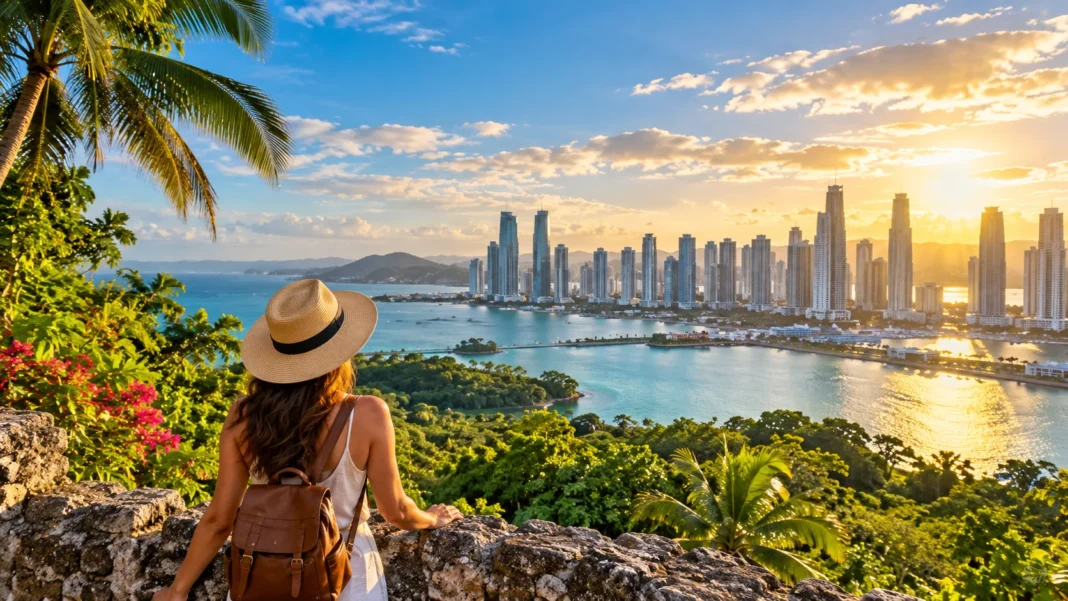

Panama is one of Central America’s most fascinating travel destinations, offering tropical beaches, beautiful islands, lush rainforests, and vibrant cities. However, choosing the right time to visit can make a significant difference to your overall experience. Understanding the best time to visit Panama helps travelers plan around seasonal weather, rainfall, temperatures, and outdoor activities while making the most of their vacation.
Panama experiences warm tropical weather throughout the year, but rainfall patterns vary considerably between regions. The Pacific coast has noticeable dry and rainy seasons, while the Caribbean coast receives rainfall more consistently. Whether you want to explore Panama City, relax on beautiful beaches, or discover mountain landscapes, knowing when to travel can help you enjoy a comfortable and memorable trip.
What Is the Best Time to Visit Panama?
The best time to visit Panama is generally between mid-December and April, especially for travelers planning to explore Panama City and the Pacific coast. During these months, rainfall is usually lower, and sunny weather makes outdoor sightseeing more convenient. January, February, and March are particularly popular because they offer favorable conditions for visiting beaches, cities, and national parks.
However, the ideal travel period depends on which part of Panama you want to explore. The Caribbean coast, including Bocas del Toro, experiences different rainfall patterns from the Pacific region. Some Caribbean destinations can enjoy relatively favorable conditions during September and October, even while other parts of Panama experience considerable rainfall.
Travelers interested in lower accommodation costs and fewer crowds may prefer the months surrounding the main dry season. Late April, May, and early December can offer opportunities to explore popular destinations with fewer visitors. Although rainfall becomes more likely during these periods, flexible sightseeing plans can still make a trip enjoyable.
Understanding Panama’s Tropical Climate
Panama has a tropical climate characterized by warm temperatures, relatively high humidity, and seasonal changes in rainfall. Unlike countries with four distinct seasons, Panama is generally described as having a dry season and a rainy season. The difference between these periods is more noticeable in rainfall than in dramatic temperature changes.
Lowland areas such as Panama City usually remain warm throughout the year, with daytime temperatures frequently reaching the upper twenties or low thirties Celsius. Coastal destinations also experience humid tropical conditions. Higher mountain regions, including Boquete, are generally cooler because of their elevation and surrounding geographical features.
The country’s location between the Pacific Ocean and Caribbean Sea contributes to significant regional weather differences. Mountain ranges and prevailing winds influence rainfall patterns, creating different conditions across relatively short distances. Understanding these variations is important when planning an itinerary that includes cities, beaches, islands, and mountainous destinations.
Panama Dry Season: December to April
Panama’s dry season generally extends from December through April, although the transition can vary by region and year. During this period, Panama City and much of the Pacific coast experience reduced rainfall and more frequent sunny days. These conditions make sightseeing, beach visits, and outdoor activities easier to organize.
January through March typically brings some of the most dependable dry weather in Pacific Panama. Travelers can explore historical districts, visit coastal attractions, and enjoy scenic outdoor destinations with fewer interruptions from heavy rainfall. However, temperatures can still become hot, particularly during the afternoon when direct sunlight is strongest.
The dry season is also Panama’s main tourist season, meaning popular accommodations and attractions may become busier. Holiday periods and major celebrations can increase demand for transportation and hotel rooms. Booking important arrangements ahead of time can help visitors organize a more comfortable trip without relying on last-minute availability.
Panama Rainy Season: May to November
The rainy season in much of Panama generally begins around May and continues through November. During these months, rainfall becomes more frequent, especially across the Pacific region. However, rainy weather does not necessarily mean continuous rain throughout every day, and visitors may still experience sunny periods suitable for sightseeing.
Rain often develops during the afternoon, particularly in areas influenced by tropical humidity and daytime heating. Some days bring relatively brief showers, while others experience prolonged rainfall or thunderstorms. October and November can be especially wet in many Pacific locations, making outdoor travel more dependent on weather conditions.
Despite the additional rainfall, the wet season has its own advantages for certain travelers. Forests become lush, waterfalls may become more impressive, and some destinations experience fewer tourists. Visitors should keep their itineraries flexible and monitor local weather warnings, particularly when planning mountain excursions or activities near rivers.
Best Time to Visit Panama City
Panama City is a popular destination for travelers interested in modern architecture, cultural attractions, and historical landmarks. The best time to explore the capital is generally from January through March, when rainfall is relatively limited. Sunny conditions make walking around historic neighborhoods and visiting outdoor attractions more comfortable.
Casco Viejo is among the city’s most famous attractions, featuring colonial architecture, historic churches, and charming public squares. Travelers can also visit the Panama Canal’s Miraflores Visitor Center and explore the scenic waterfront around the Cinta Costera. These experiences are easier to plan when heavy rainfall is less frequent.
Panama City remains accessible throughout the year, even during the rainy season. Museums, restaurants, shopping centers, and other indoor attractions can provide alternatives when the weather changes. Visitors traveling between May and November may prefer morning sightseeing and flexible afternoon plans to accommodate possible showers.
Best Time to Visit Bocas del Toro
Bocas del Toro is one of Panama’s most beautiful Caribbean destinations, known for tropical islands, colorful coastal communities, and clear-water experiences. Unlike Panama City, the region does not follow a sharply defined dry season. Rainfall can occur throughout the year, making careful consideration of local weather patterns especially important.
February through April often brings relatively favorable conditions, while September and October may also experience periods of reduced rainfall. These months can be appealing for visitors interested in island exploration, beaches, and snorkeling. However, Caribbean weather can change quickly, and calm seas cannot be guaranteed during any particular month.
Visitors can explore Isla Colón, Isla Bastimentos, and other islands within the archipelago. Water-based activities depend on sea conditions, visibility, and local safety guidance rather than rainfall alone. Allowing extra time for transportation and keeping plans flexible can help travelers enjoy the region despite occasional changes in weather.
Best Time to Visit San Blas Islands
The San Blas Islands, located within the Guna Yala region, are among Panama’s most picturesque coastal destinations. These islands are known for turquoise waters, white sandy beaches, and beautiful tropical scenery. Travelers often visit for relaxing seaside experiences while learning about the cultural heritage of the Guna people.
The months from approximately January through April can be appealing for travelers seeking relatively drier conditions. However, trade winds may produce rougher seas during parts of the dry season, even when skies are sunny. Choosing travel dates requires considering both rainfall patterns and marine conditions rather than assuming every dry-season day will be calm.
The islands are part of an Indigenous autonomous region, and visitors should respect local community rules and cultural traditions. Transportation and accommodation arrangements may differ from those in major cities. Checking weather forecasts and confirming boat transfer conditions before departure can help make island travel safer and more comfortable.
Best Time to Visit Boquete and the Highlands
Boquete is a beautiful mountain destination in western Panama, famous for its cooler climate, green landscapes, and coffee-growing traditions. Located in the Chiriquí Highlands, the town offers a refreshing contrast to the warmer coastal regions. Travelers visit Boquete for nature experiences, scenic viewpoints, and opportunities to explore the surrounding mountains.
The period between January and April is often suitable for outdoor sightseeing because rainfall tends to be lower. However, mist, clouds, and occasional showers can occur even during the dry season. Mountain temperatures are generally cooler than those in Panama City, so visitors should carry additional clothing for early mornings and evenings.
During the rainy season, the surrounding vegetation becomes especially green, but some trails may become muddy or slippery. Weather conditions can change quickly in mountainous areas, making preparation important. Travelers should choose suitable walking routes, follow local guidance, and avoid exposed trails when thunderstorms or heavy rainfall are expected.
Best Time to Visit Panama for Beach Vacations
Panama offers beaches along both the Pacific Ocean and Caribbean Sea, giving travelers several different coastal experiences. The best season for a beach vacation depends on the destination rather than a single national weather pattern. Pacific beaches often enjoy relatively dry conditions between December and April, while Caribbean weather follows a different seasonal rhythm.
Popular Pacific coastal destinations include Playa Blanca, Santa Catalina, and beaches around the Azuero Peninsula. Travelers seeking sunny days and comfortable beach conditions often prefer January through March. However, ocean currents, wave conditions, and local safety guidance should always influence decisions about swimming and coastal activities.
Caribbean destinations such as Bocas del Toro may experience favorable conditions during other periods of the year. September and October can be appealing in some Caribbean locations despite heavy rain elsewhere in Panama. Checking regional forecasts is particularly important when combining several coastal destinations within the same trip.
Best Time to Visit Panama for Wildlife Watching
Panama is an exciting destination for wildlife enthusiasts because its tropical forests and coastal environments support remarkable biodiversity. Visitors may encounter tropical birds, monkeys, sloths, and numerous other animal species in suitable habitats. The best time for wildlife observation depends on the animals you hope to see and the region you plan to explore.
The dry season can make some forest trails easier to access and improve conditions for certain outdoor excursions. However, the rainy season also brings important ecological changes that support different wildlife behaviors. Early mornings are often rewarding for birdwatching, although sightings depend on location, habitat conditions, and natural animal activity.
Panama’s Pacific waters also attract migrating humpback whales during part of the year, especially around July through October. Marine wildlife observations should take place with responsible operators who follow applicable regulations. Since wildlife sightings are never guaranteed, maintaining realistic expectations helps travelers appreciate the natural environment without disturbing animals.
Best Time to Visit Panama on a Budget
Traveling during Panama’s main tourist season can increase accommodation expenses, particularly in popular coastal areas and major sightseeing destinations. Hotels and transportation services may experience greater demand around Christmas, New Year, Carnival, and Easter. Travelers working with limited budgets may benefit from considering quieter travel periods.
The rainy season, especially outside major holidays, can bring opportunities for lower accommodation rates and less crowded attractions. May, June, and September may appeal to flexible travelers who do not require consistently sunny conditions. However, discounts are not guaranteed, and transportation or activity availability can vary by destination.
Comparing accommodation options, transportation costs, and seasonal activities helps establish a realistic travel budget. A lower hotel price may not always compensate for weather-related changes or additional travel expenses. Choosing destinations that suit the season can help visitors manage costs without sacrificing the overall quality of their trip.
January and February: Popular Months for Sunny Weather
January is one of the most popular months for visiting Panama because much of the Pacific region experiences dry and sunny conditions. The weather is generally suitable for city sightseeing, beach visits, and exploring outdoor attractions. Travelers can enjoy Panama City, Pacific coastal destinations, and mountain scenery without the frequent afternoon downpours associated with the rainy season.
February often continues this favorable weather pattern, making it another attractive month for travel. Some areas can become especially warm during the afternoon, so sun protection and adequate hydration remain important. The month may also coincide with Carnival celebrations, depending on the year, bringing lively cultural events and increased domestic travel.
These months are particularly appealing for visitors planning several destinations within one itinerary. However, popular hotels and transportation services may become busy during holiday periods and major events. Reserving accommodation ahead of time and planning sightseeing around the hottest parts of the day can help improve comfort.
March and April: Great Months for Outdoor Adventures
March generally offers excellent weather for exploring Panama’s Pacific regions, with relatively low rainfall in many destinations. Visitors can enjoy national parks, historical attractions, and coastal scenery while benefiting from the established dry-season conditions. It is a popular period for travelers interested in combining urban sightseeing with nature-focused experiences.
April represents a seasonal transition in several parts of Panama, especially toward the end of the month. Some areas may begin experiencing more frequent showers, although many days remain suitable for outdoor plans. Travelers can still enjoy beach destinations and mountain excursions while preparing for changing weather patterns.
The timing of Easter can influence tourism demand during March or April. Popular destinations may become crowded when local and international travelers take advantage of holiday periods. Checking event dates and regional forecasts can help visitors choose travel days that match their preferences for weather, accommodation availability, and crowd levels.
May and June: Experience Panama’s Green Season
May marks the beginning of the rainy season across much of Panama, bringing more frequent showers and increasingly lush landscapes. Although the weather becomes less predictable, visitors can still experience comfortable periods for sightseeing. Tropical vegetation responds to the additional rainfall, making forests, gardens, and countryside views particularly attractive.
June generally continues the wetter pattern, with afternoon showers becoming common in many Pacific locations. Travelers interested in cultural attractions, local restaurants, and flexible city itineraries may still enjoy visiting during this period. Outdoor activities require additional planning because weather conditions can change quickly throughout the day.
These months may appeal to visitors who prefer fewer tourists and are comfortable adjusting plans around rain. Lightweight waterproof clothing and quick-drying footwear can be particularly useful. Choosing accommodation near the main attractions can also reduce unnecessary travel when sudden showers affect outdoor sightseeing opportunities.
July and August: Enjoy Nature and Seasonal Activities
July and August fall within Panama’s rainy season, although some Pacific regions may experience a temporary reduction in rainfall. This occasional drier interval is not guaranteed and varies from year to year. Travelers should therefore avoid assuming these months will consistently provide dry weather across the entire country.
Nature-focused experiences can be appealing during this period because forests remain green and wildlife activity continues. Panama’s Pacific waters may also attract humpback whales as part of their seasonal migration. Visitors interested in marine wildlife should choose responsible observation activities and understand that sightings depend on natural conditions.
Rain can still affect mountain trails, road travel, and coastal activities during July and August. Building flexibility into the itinerary allows travelers to adjust plans when necessary. Checking local forecasts and choosing activities suited to seasonal conditions can help make the experience enjoyable despite unpredictable tropical weather.
September and October: Different Weather Across Panama
September and October highlight the importance of understanding Panama’s regional climate differences. Many Pacific destinations experience substantial rainfall, while some Caribbean locations may have relatively favorable weather. Travelers visiting during these months should plan according to their specific destinations rather than relying on general national weather descriptions.
Bocas del Toro can experience a relatively drier period during September and October, sometimes bringing appealing conditions for island exploration. However, rain remains possible, and changing marine conditions may affect boat excursions. Travelers should review local forecasts and avoid assuming that favorable average rainfall means consistently calm water.
October can be one of the wettest months in parts of Pacific Panama, making some outdoor activities more difficult. Heavy showers may affect visibility, transportation, and trail conditions. Visitors who prefer dependable sunny weather may find other months more suitable for exploring Panama City and Pacific coastal attractions.
November and December: From Rainy Weather to Dry Season
November is generally part of Panama’s rainy season, with considerable rainfall possible across many Pacific destinations. Travelers should expect unpredictable weather and allow flexibility for outdoor sightseeing. The month also includes several national celebrations, which can influence transportation, business hours, and accommodation demand in different parts of the country.
December marks the transition toward drier conditions in many Pacific regions, particularly during the second half of the month. As rainfall decreases, sunny periods become more frequent and outdoor sightseeing becomes easier. However, the exact timing of seasonal changes can vary, making regional forecasts useful when planning early December travel.
The Christmas and New Year holiday period attracts more visitors to popular destinations, often increasing accommodation demand. Travelers considering late December should make important reservations in advance. Early December may appeal to those seeking a quieter experience, although weather conditions can remain unsettled during the transition from the rainy season.
Essential Travel Tips for Visiting Panama
Packing suitable clothing is important because Panama’s weather can be warm, humid, and occasionally unpredictable throughout the year. Lightweight breathable clothes, comfortable walking shoes, sun protection, and a compact rain jacket are useful for many destinations. Travelers visiting mountain regions should also bring a warmer layer for cooler evenings.
Transportation planning is another important part of a successful Panama vacation. Major cities, coastal regions, islands, and mountain destinations may require different travel arrangements. Allow enough time between locations, especially when combining road journeys with flights or boat transfers that could be affected by weather conditions.
Travelers should also consider health precautions, accommodation locations, and local customs before departure. Check official entry requirements and relevant health guidance for your itinerary. Respecting local communities, protecting natural environments, and following safety advice can help make your Panama trip more comfortable and responsible.
Conclusion
The best time to visit Panama depends on your preferred destinations, travel activities, and tolerance for seasonal rainfall. For Panama City and much of the Pacific coast, mid-December through April generally offers the most dependable dry weather. Caribbean destinations such as Bocas del Toro follow different rainfall patterns and may be enjoyable during other months.
Travelers seeking sunny beaches and comfortable outdoor sightseeing may prefer January, February, or March. Those interested in lush landscapes, wildlife experiences, and potentially lower accommodation costs can consider the rainy season. Understanding regional weather differences makes it easier to select travel dates that match your expectations and planned activities.
Panama remains an exciting destination throughout the year, offering beautiful islands, historic neighborhoods, tropical forests, and spectacular mountain scenery. With flexible planning, appropriate clothing, and attention to local forecasts, visitors can enjoy memorable experiences during different seasons. Choosing the right region and preparing for changing tropical weather are essential parts of a successful trip.
Frequently Asked Questions (FAQs)
What is the best month to visit Panama?
February is an excellent choice for many travelers because Panama City and much of the Pacific coast usually experience dry, sunny weather. However, the best month depends on your destination.
When is the rainy season in Panama?
Panama’s rainy season generally runs from May through November, especially along the Pacific coast. The Caribbean region experiences rainfall throughout the year, with different periods of relatively drier weather.
Is Panama expensive during the dry season?
Popular destinations can become more expensive during the dry season because demand for accommodation and transportation increases. Traveling outside major holiday periods may help visitors find more affordable options.
What is the best time to visit Panama’s beaches?
December through April is generally favorable for Pacific beaches. For Caribbean destinations such as Bocas del Toro, February through April and September through October can bring relatively favorable conditions.
Can you visit Panama during the rainy season?
Yes. Panama remains a worthwhile destination during the rainy season, particularly for travelers comfortable with occasional showers. Flexible schedules, appropriate clothing, and regional weather planning can help improve the experience.