


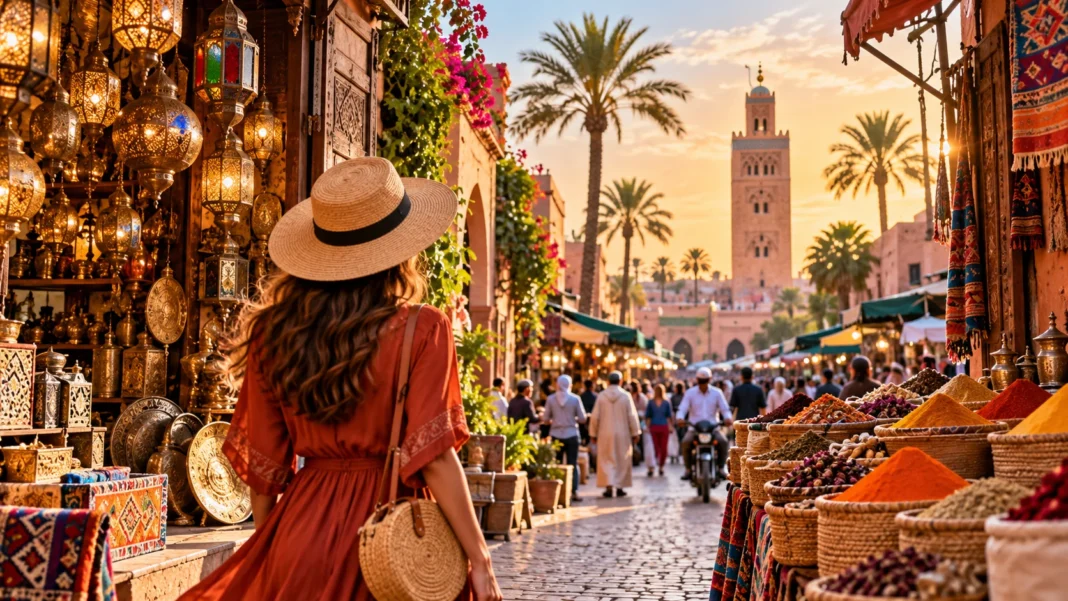

Marrakesh is one of Morocco’s most fascinating travel destinations, famous for its colorful markets, historic palaces, beautiful gardens, and lively streets. Known as the Red City because of its distinctive reddish buildings, Marrakesh combines traditional Moroccan culture with unforgettable sightseeing experiences. This Marrakesh travel guide explores the best things to do and see, helping visitors discover the city’s unique atmosphere, historical landmarks, and hidden treasures.
From wandering through the ancient Medina to admiring the peaceful beauty of traditional gardens, Marrakesh offers something for every type of traveler. Visitors can experience authentic Moroccan cuisine, explore remarkable architecture, and discover bustling marketplaces filled with handmade goods. Whether you are planning a short city break or a longer Moroccan adventure, Marrakesh promises memorable experiences and fascinating cultural discoveries.
Explore the Historic Medina of Marrakesh
The Medina of Marrakesh is the historic heart of the city and one of its most remarkable attractions. Surrounded by ancient reddish walls, this UNESCO World Heritage Site contains traditional markets, narrow alleyways, historical buildings, and beautiful architectural details. Walking through the Medina allows visitors to experience the lively atmosphere that has shaped Moroccan urban life for centuries.
The neighborhood features a maze of pedestrian streets lined with small shops, local restaurants, and traditional riads. Colorful textiles, decorative lanterns, leather products, and handmade ceramics fill the market stalls. Exploring these streets can feel like discovering a different world, where traditional craftsmanship and everyday activities remain important parts of the local culture.
Visitors should allow enough time to explore the Medina without rushing between attractions. Its winding streets can be confusing, so using a reliable map or a licensed local guide may be helpful. Comfortable walking shoes, respectful clothing, and awareness of your surroundings can make exploring this fascinating neighborhood more enjoyable.
Visit Jemaa el-Fnaa Square for Local Culture
Jemaa el-Fnaa is one of the most famous public squares in Morocco and a major attraction in Marrakesh. Located near the historic Medina, this lively gathering place is known for its traditional performers, food stalls, merchants, and changing atmosphere throughout the day. The square provides an exciting introduction to the city’s cultural traditions and everyday energy.
During the afternoon, visitors can observe the busy surroundings, browse nearby stalls, and experience the movement of people through the square. As evening approaches, food vendors and entertainment activities transform the area into a lively nighttime destination. The sounds, aromas, and colorful lights make Jemaa el-Fnaa particularly memorable after sunset.
For a different perspective, visitors can enjoy views of the square from nearby rooftop terraces. These elevated locations are ideal for observing the bustling atmosphere and surrounding architecture. Keep personal belongings secure in crowded areas, and ask permission before photographing performers or individuals, as some may expect payment.
Admire the Beauty of Bahia Palace
Bahia Palace is one of Marrakesh’s most impressive historical landmarks, celebrated for its detailed Moroccan architecture and elegant interior courtyards. Built during the nineteenth century, the palace reflects the artistic traditions and craftsmanship of its period. Visitors can admire decorative tilework, painted ceilings, carved wooden features, and peaceful garden spaces throughout the complex.
The palace includes several rooms and courtyards featuring traditional Moroccan architectural designs. Colorful geometric patterns, intricate plasterwork, and ornamental details demonstrate the skill of local craftspeople. Walking through these spaces provides an opportunity to understand the decorative styles associated with historic Moroccan residences and important government households.
Bahia Palace is a worthwhile destination for travelers interested in architecture, photography, and Moroccan history. Visiting earlier in the day may help avoid some of the busiest sightseeing periods. Allow sufficient time to explore the courtyards and appreciate the decorative details rather than moving quickly through the rooms.
Discover the Colorful Majorelle Garden
Majorelle Garden is one of the most beautiful places to visit in Marrakesh, offering a peaceful escape from the city’s busy streets. Originally developed by French painter Jacques Majorelle, the garden is famous for its striking blue buildings, tropical plants, and artistic atmosphere. Its distinctive colors make it especially popular among photographers and garden enthusiasts.
Visitors can walk along landscaped paths surrounded by bamboo, palm trees, cacti, and other interesting plant varieties. Water features and shaded corners add to the relaxing environment, while the famous Majorelle blue creates a dramatic contrast with the surrounding greenery. The garden combines botanical beauty with artistic design in a relatively compact space.
Majorelle Garden is particularly appealing during the morning when visitors can explore its paths before the hottest part of the day. Advance ticket reservations are recommended because entry slots can become popular. Travelers interested in local heritage can also explore the nearby museums dedicated to Amazigh culture and fashion history.
See the Famous Koutoubia Mosque
Koutoubia Mosque is one of Marrakesh’s most recognizable landmarks and an important example of historic Moroccan architecture. Its impressive minaret rises above the surrounding buildings and can be seen from several parts of the city. Dating to the twelfth century, the mosque remains an important religious and architectural symbol of Marrakesh.
The building is especially admired for its elegant proportions, decorative stonework, and distinctive tower. Gardens and open spaces around the mosque allow visitors to appreciate its exterior architecture from different viewpoints. The surrounding area is also conveniently located near Jemaa el-Fnaa, making it easy to include in a walking sightseeing route.
Non-Muslim visitors generally cannot enter the prayer hall, but the exterior remains an important attraction. Travelers should respect religious customs and avoid disturbing worshippers during prayer times. Visiting during the late afternoon can be particularly enjoyable when changing sunlight highlights the warm colors of the mosque’s historic walls.
Explore the Historic Saadian Tombs
The Saadian Tombs are an important historical attraction that reveals part of Morocco’s royal heritage. Located in the Kasbah district, these burial chambers are associated with the Saadian dynasty, which ruled Morocco during the sixteenth and seventeenth centuries. The site is famous for its beautifully decorated chambers, traditional craftsmanship, and peaceful garden surroundings.
Visitors can admire intricate tilework, carved stone, and carefully designed architectural details throughout the complex. The Chamber of the Twelve Columns is particularly well known for its elegant decorative features. These artistic elements demonstrate the importance of architecture and craftsmanship in historical Moroccan royal and religious traditions.
The Saadian Tombs are relatively compact compared with some of Marrakesh’s larger attractions, making them suitable for a shorter sightseeing visit. Travelers can combine the experience with nearby historic landmarks in the Kasbah neighborhood. Arriving during quieter periods may allow more time to appreciate the decorative details without feeling rushed.
Visit El Badi Palace and Its Historic Ruins
El Badi Palace is one of Marrakesh’s most fascinating historical sites, offering visitors an opportunity to explore the remains of a once magnificent royal complex. Constructed during the Saadian period, the palace originally featured impressive courtyards, decorative architecture, and luxurious materials. Today, its expansive ruins reveal the scale of its former importance.
Visitors can walk through large open courtyards, explore surviving architectural structures, and observe the palace’s distinctive reddish walls. The remaining layout offers insight into historical royal life and the design of monumental Moroccan buildings. Elevated sections also reveal interesting views across the surrounding Kasbah neighborhood and parts of the city.
El Badi Palace is especially appealing to travelers who enjoy history, archaeology, and architectural photography. Because much of the site is outdoors, comfortable footwear and protection from strong sunlight are useful. Combining this attraction with Bahia Palace can help visitors appreciate different periods and styles of Moroccan palace architecture.
Wander Through the Traditional Souks of Marrakesh
The traditional souks of Marrakesh are among the city’s most exciting shopping and cultural attractions. These busy marketplaces contain narrow streets filled with handmade products, colorful displays, and local workshops. Visitors can discover traditional Moroccan craftsmanship while experiencing the vibrant commercial atmosphere that has existed within the historic Medina for generations.
Different sections of the souks specialize in products such as leather goods, carpets, pottery, decorative lanterns, spices, and textiles. Some workshops allow visitors to observe craftspeople working with traditional materials and techniques. Exploring these markets can be an interesting cultural experience even for travelers who do not intend to purchase souvenirs.
Shopping in the souks often involves polite price negotiation, although some shops display fixed prices. Visitors should remain respectful, compare products carefully, and avoid feeling pressured to make purchases. The narrow streets can become crowded, so keeping personal belongings secure and navigating patiently will help make the experience more comfortable.
Discover the Architecture of Ben Youssef Madrasa
Ben Youssef Madrasa is one of Marrakesh’s most impressive architectural attractions and a remarkable example of traditional Moroccan design. This historic religious school served as an important center of Islamic education for centuries. Its decorative courtyards, intricate patterns, and peaceful interiors make it a popular destination for visitors interested in history and architecture.
The central courtyard features beautiful geometric tilework, carved plaster, and elaborate wooden decorations. Visitors can also observe former student rooms arranged around the historic building. These spaces help illustrate how students once studied and lived within the institution while highlighting the detailed craftsmanship found throughout the structure.
Ben Youssef Madrasa is conveniently located within the Medina and can be included in a walking route through the old city. Travelers should allow time to examine the decorative features and architectural layout. Visiting during less crowded periods may make it easier to appreciate the historical surroundings and photograph the impressive courtyard.
Relax at Menara Gardens and Enjoy Mountain Views
Menara Gardens offer a quieter sightseeing experience away from the busy markets and narrow streets of central Marrakesh. This historic garden area is known for its large reflecting pool, olive groves, and traditional pavilion. On clear days, the distant Atlas Mountains form an attractive backdrop to the surrounding landscape.
The gardens are particularly popular among visitors seeking an open space for walking and relaxing. The central water basin and nearby pavilion are recognizable features that reflect the area’s historical agricultural and architectural significance. Unlike heavily landscaped botanical gardens, Menara Gardens have a simpler atmosphere that emphasizes open scenery and traditional surroundings.
Late afternoon can be an appealing time to visit because the softer sunlight creates pleasant views across the water. Visitors should bring drinking water and prepare for limited shade in some areas. Menara Gardens are suitable for travelers who want a relaxed outdoor experience without spending their entire day visiting crowded historical monuments.
Experience Traditional Moroccan Food in Marrakesh
Moroccan cuisine is an important part of the Marrakesh travel experience, offering flavorful dishes influenced by regional traditions and local ingredients. Visitors can discover aromatic spices, slow-cooked meals, fresh bread, and traditional sweets throughout the city. Restaurants, local markets, and family-operated dining establishments introduce travelers to the variety of Moroccan cooking.
Tagine is among the most recognizable Moroccan dishes, prepared with combinations of vegetables, meat, herbs, and spices in a distinctive cooking vessel. Couscous is another traditional favorite, often served with vegetables and savory accompaniments. Travelers can also try harira soup, Moroccan pastries, and refreshing mint tea during their visit.
Food experiences can become more memorable when visitors explore local restaurants beyond the busiest tourist streets. Cooking classes are another option for learning about traditional ingredients and preparation methods. Choose establishments that follow good food hygiene practices, and communicate dietary requirements clearly to ensure a comfortable dining experience.
Take a Day Trip to the Atlas Mountains
The Atlas Mountains are among the most beautiful natural attractions near Marrakesh, offering dramatic landscapes, traditional villages, and refreshing mountain scenery. Travelers interested in exploring beyond the city can visit mountain valleys and experience a different side of Morocco. The region is particularly appealing for scenic drives, cultural encounters, and nature-focused excursions.
The Ourika Valley is a popular destination for day trips because of its mountain views, riverside settings, and traditional settlements. Visitors can enjoy the surrounding scenery and learn about Amazigh cultural traditions through appropriate local experiences. Other mountain destinations offer panoramic viewpoints and opportunities to explore rural landscapes away from busy urban environments.
Travelers should choose excursions according to their fitness levels, available time, and weather conditions. Mountain routes may involve uneven paths, changing temperatures, and longer travel times than expected. Using reputable transport services and following local safety guidance can make a day trip more comfortable and enjoyable.
Best Time to Visit Marrakesh for Sightseeing
Choosing the right season can make a significant difference when planning a trip to Marrakesh. The city experiences hot summers, while winter generally brings milder daytime temperatures and cooler evenings. Spring and autumn are often considered comfortable periods for exploring historical landmarks, traditional markets, and outdoor attractions.
March through May and September through November can be appealing for sightseeing because daytime conditions are generally more manageable than during peak summer. However, temperatures vary, and popular attractions may still become crowded during holidays. Travelers should check seasonal weather patterns and accommodation availability before finalizing their arrangements.
Summer visitors should plan outdoor sightseeing carefully because afternoon temperatures can become extremely high. Early morning activities, shaded rest periods, and adequate hydration can help reduce discomfort. Winter travelers may enjoy pleasant daytime conditions but should carry warmer clothing for cooler evenings and occasional changes in the weather.
How to Get Around Marrakesh Easily
Getting around Marrakesh depends on where you are staying and which attractions you plan to visit. The historic Medina is best explored on foot because many streets are narrow and unsuitable for ordinary vehicle access. Walking also allows visitors to discover traditional shops, hidden courtyards, and interesting architectural details along the way.
Taxis are commonly used for traveling between neighborhoods and reaching attractions outside the old city. Travelers should confirm that the meter will be used or agree on an appropriate fare before departure when necessary. Airport transfers, hotel transportation, and arranged excursions can also be practical options depending on your travel plans.
Navigating the Medina can sometimes be challenging because of its winding streets and limited vehicle access. Downloading an offline map and recording your accommodation’s location may help prevent confusion. For longer excursions, reliable transport arrangements and realistic travel schedules can make sightseeing easier without unnecessary rushing between destinations.
Where to Stay in Marrakesh for the Best Experience
Marrakesh offers several accommodation styles, ranging from traditional riads to modern hotels and larger resorts. Staying in the Medina allows travelers to experience the historic atmosphere and reach many major attractions on foot. However, the narrow streets and lively surroundings may feel busy for visitors who prefer quieter accommodation.
Traditional riads are particularly popular because they feature interior courtyards, decorative Moroccan architecture, and intimate guesthouse settings. Many offer rooftop terraces and peaceful spaces away from the surrounding streets. Staying in a riad can add cultural character to a visit while keeping travelers close to historic landmarks and local markets.
Guéliz and Hivernage are alternative neighborhoods with modern hotels, restaurants, and wider streets. These areas may suit visitors seeking contemporary facilities and convenient road access. Before booking, compare accommodation locations, transportation options, accessibility, and recent guest feedback to select a comfortable base for exploring the city.
Conclusion
Marrakesh is a fascinating Moroccan destination that combines historical architecture, vibrant marketplaces, peaceful gardens, and unforgettable cultural experiences. From exploring the ancient Medina and Jemaa el-Fnaa to admiring Bahia Palace and Majorelle Garden, the city offers remarkable attractions for every type of traveler. Its distinctive atmosphere makes it one of Morocco’s most memorable places to visit.
Planning your visit around major landmarks, comfortable weather, and realistic travel distances can help you make the most of your time. Exploring traditional souks, discovering Moroccan cuisine, and taking a day trip to the Atlas Mountains can add variety to your itinerary. Balancing popular attractions with quieter experiences allows you to appreciate different sides of the city.
Whether you are visiting Marrakesh for a weekend or a longer holiday, its rich heritage and welcoming cultural experiences make it an exciting destination. Take time to explore its streets, appreciate local traditions, and discover the beauty of its historic surroundings. A thoughtfully planned trip can leave you with lasting memories of Morocco’s remarkable Red City.
Frequently Asked Questions (FAQs)
What are the best things to do in Marrakesh?
The best things to do include exploring Jemaa el-Fnaa, visiting Bahia Palace, discovering Majorelle Garden, shopping in traditional souks, and admiring historic landmarks such as Koutoubia Mosque and Ben Youssef Madrasa.
How many days are enough to explore Marrakesh?
Three to four days are generally enough to explore the main attractions at a comfortable pace. Additional days are useful for visiting the Atlas Mountains or discovering nearby destinations.
What is the best month to visit Marrakesh?
March, April, October, and November are often pleasant months for sightseeing. These periods generally have more comfortable temperatures than summer, although weather conditions and visitor numbers can vary.
Is Marrakesh worth visiting for first-time travelers?
Yes. Marrakesh offers a memorable introduction to Moroccan history, architecture, cuisine, and traditional markets. First-time visitors can explore major landmarks while experiencing the city’s distinctive culture and lively atmosphere.
Can you explore Marrakesh without a tour guide?
Yes. Many central attractions are accessible independently, especially with a reliable map. However, a licensed local guide can help visitors understand historical landmarks and navigate the Medina’s complicated streets.