


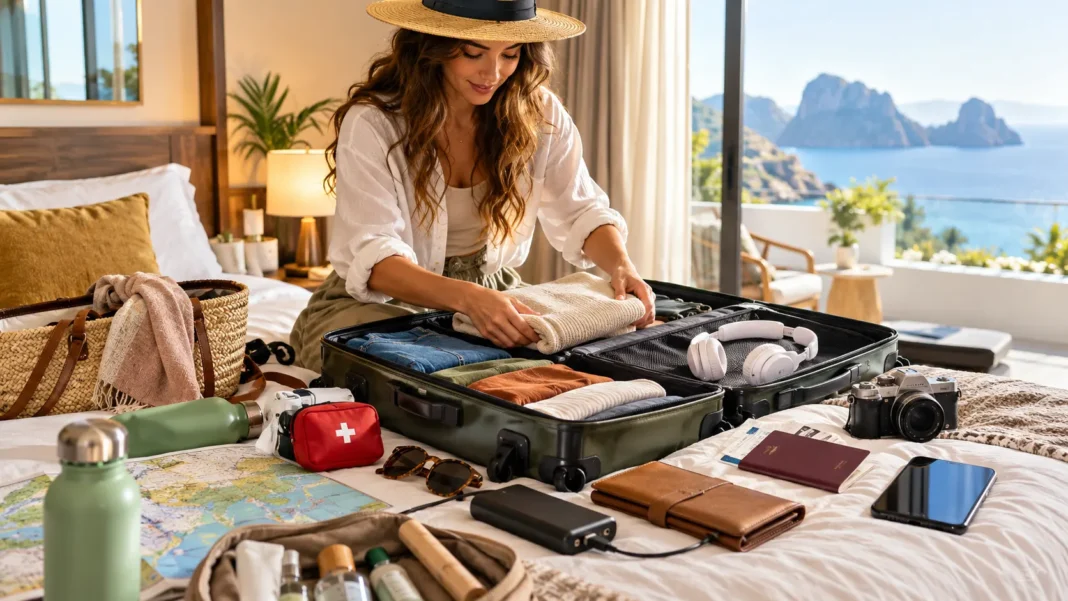

Travelling is one of the most enjoyable ways to explore new places, experience different cultures, and create unforgettable memories. However, a successful trip requires more than choosing a beautiful destination and booking transportation. Packing the right travel essentials can make your journey more comfortable, organized, and convenient while helping you prepare for unexpected situations.
Whether you are planning a short weekend getaway, an international vacation, or a business trip, certain items deserve a place in your luggage. Important travel documents, suitable clothing, personal hygiene products, medications, and electronic devices can all contribute to a smoother experience. Forgetting even one essential item may create unnecessary difficulties during your journey.
If you are wondering what are some important things you must have while travelling, this guide covers the most useful items to consider. From passports and travel insurance to comfortable footwear and emergency supplies, you will learn how to prepare a practical packing checklist. These tips will help you stay organized and enjoy your journey with greater confidence.
Passport, Visa, and Important Travel Documents
Travel documents are among the most important things you must have while travelling, especially when visiting another country. Your passport serves as your primary international identification document, while a visa may be required depending on your nationality and destination. Checking entry requirements before departure can prevent unexpected complications at airports or border crossings.
Many countries require passports to remain valid for a specific period beyond the planned travel dates. Some destinations also have rules concerning blank passport pages, return tickets, or proof of accommodation. Since entry regulations vary, travelers should review the official requirements that apply to their particular circumstances.
Keeping digital and paper copies of essential documents can provide additional protection if originals are misplaced. Important records may include passports, visas, booking confirmations, insurance information, and identification documents. Store copies securely and separately from the originals while keeping your actual passport easily accessible whenever official identification is required.
Travel Insurance for Unexpected Situations
Travel insurance is an important consideration because unexpected events can disrupt even carefully planned holidays. Depending on the policy, insurance may provide coverage for medical emergencies, trip cancellations, lost baggage, or certain transportation delays. The exact protection depends on the provider, selected plan, and applicable exclusions.
Medical expenses can become particularly significant when travelling internationally. Some countries require proof of appropriate medical coverage for entry, while others leave insurance decisions to individual travelers. Reviewing healthcare access and policy coverage before departure helps clarify what assistance may be available during an emergency.
Travelers should read policy conditions carefully instead of assuming every problem is automatically covered. Pre-existing medical conditions, certain activities, and specific cancellation circumstances may have restrictions. Keeping insurance documents and emergency contact details accessible can make it easier to obtain assistance when a covered incident occurs.
Money, Credit Cards, and Payment Options
Access to suitable payment methods is essential for managing transportation, accommodation, meals, and unexpected expenses. Carrying a combination of accepted payment cards and a reasonable amount of local currency can provide flexibility. The most appropriate arrangement depends on the destination and the availability of electronic payment services.
International travelers should understand currency conversion fees, foreign transaction charges, and local payment practices. Some businesses accept electronic payments, while smaller establishments may prefer cash. Checking these conditions before departure reduces the likelihood of payment difficulties during everyday purchases.
Financial security is equally important when carrying money abroad. Travelers should avoid keeping every payment method in one place and use secure storage for valuables. Monitoring account notifications and understanding how to contact a financial institution can help address suspicious transactions or missing cards.
Mobile Phone and Essential Travel Applications
A mobile phone is one of the most useful travel accessories because it supports communication, navigation, bookings, and emergency assistance. Travelers can use their devices to access maps, confirm transportation arrangements, and contact accommodation providers. A reliable phone also helps maintain communication with family or trusted contacts.
Useful travel applications may include navigation tools, translation services, airline applications, and public transportation information. Downloading appropriate offline maps can be helpful in locations where internet connectivity is unreliable. However, electronic services should complement rather than completely replace important travel documents and emergency information.
Before travelling internationally, check roaming charges and available connectivity options. Depending on device compatibility and destination coverage, a local SIM or eSIM may offer an alternative. Protecting the phone with a secure screen lock and updated software helps reduce digital security risks while travelling.
Chargers, Power Banks, and Travel Adapters
Electronic devices are only useful when travelers can keep them adequately charged. Phone chargers, charging cables, and suitable adapters are therefore important packing items. The specific accessories required depend on the devices being carried and the electrical standards used at the destination.
Different countries use different plug configurations and, in some cases, different voltage systems. A travel adapter changes the physical plug connection but does not necessarily convert electrical voltage. Travelers should confirm their devices support local power specifications before connecting equipment.
Portable power banks can provide convenient backup charging during long journeys or outdoor sightseeing. However, airlines commonly restrict lithium battery power banks to carry-on baggage and impose capacity limitations. Checking the carrier’s current battery rules before departure helps prevent problems during airport security screening.
Comfortable Clothing for Different Weather Conditions
Packing suitable clothing can make a significant difference to comfort throughout a journey. Travelers should consider the destination’s climate, season, planned activities, and local customs. Lightweight fabrics may be appropriate for tropical locations, while colder regions require insulating layers and weather-resistant outerwear.
Versatile clothing is particularly useful because individual items can be combined into multiple outfits. This approach reduces unnecessary packing and makes luggage easier to manage. Choosing clothing suitable for several activities can also help travelers avoid carrying separate outfits for every minor change in plans.
Weather conditions may change unexpectedly, especially in mountainous or coastal regions. Including an appropriate jacket, extra layers, or lightweight rain protection can improve preparedness. Reviewing the forecast shortly before departure helps determine which clothing items are genuinely necessary for the trip.
Comfortable Shoes and Travel Footwear
Comfortable footwear is an essential part of a travel packing checklist, particularly for trips involving extensive walking. Exploring cities, visiting museums, and moving through airports can require spending several hours on your feet. Shoes that fit properly and provide suitable support help make these activities more comfortable.
The type of footwear required depends on the destination and planned activities. Walking shoes may be suitable for urban sightseeing, while certain outdoor environments require more specialized footwear. Travelers should avoid assuming that one pair of shoes will work equally well in every setting.
Packing an additional lightweight pair may be useful for accommodation, casual outings, or suitable beach locations. However, unnecessary footwear can occupy considerable luggage space. Choosing practical options based on actual activities helps balance comfort, convenience, and baggage limitations.
Personal Hygiene and Toiletry Essentials
Personal hygiene products help travelers maintain everyday routines while away from home. Common essentials include a toothbrush, toothpaste, deodorant, soap, shampoo, and appropriate skincare products. The specific items needed depend on individual preferences, accommodation facilities, and the duration of the journey.
Travel-sized containers can reduce luggage weight and make toiletries easier to organize. When travelling by air, liquids carried in cabin baggage must comply with applicable airport security rules. Since requirements can vary by airport and screening equipment, checking current restrictions before departure is important.
A compact toiletry bag helps prevent small products from becoming scattered throughout luggage. Leak-resistant containers and separate compartments can also reduce the risk of spills. Travelers with sensitive skin or specific hygiene needs may prefer carrying familiar products rather than relying entirely on hotel supplies.
Prescription Medicines and Basic First Aid Supplies
Personal medications deserve careful attention when preparing for a journey. Travelers who use prescribed treatment should carry an appropriate supply according to medical advice and applicable regulations. Original packaging and relevant prescription documentation may help explain the purpose of medicines during security or customs checks.
A basic first aid kit can also be useful for minor travel-related concerns. Suitable supplies might include adhesive bandages, antiseptic wipes, and other ordinary items appropriate to the trip. Travelers should obtain professional guidance before carrying or using unfamiliar medications.
International medication rules differ, and some medicines may be restricted or require specific documentation. Checking destination requirements is particularly important when travelling with prescription treatments. Keeping essential medication in accessible carry-on baggage, where permitted, can also help if checked luggage becomes delayed.
Reusable Water Bottle and Travel Snacks
Staying hydrated is important during long journeys, particularly in warm climates or while spending time outdoors. A reusable water bottle provides a convenient way to carry drinking water when safe refill facilities are available. Its usefulness depends on access to potable water and applicable transportation restrictions.
Travel snacks can be helpful during long transfers, unexpected delays, or journeys with limited food options. Simple, shelf-stable items are often easier to carry than foods requiring refrigeration. Travelers should also consider dietary needs, allergies, and local regulations when selecting suitable snacks.
International customs rules may restrict bringing certain foods across borders, especially fresh produce, meat, and dairy products. Airport liquid restrictions may also affect beverages carried through security. Checking these requirements helps avoid unnecessary inconvenience while keeping essential refreshments appropriately organized.
Lightweight Backpack or Day Bag
A lightweight backpack or day bag is useful for carrying important belongings during sightseeing, shopping, and everyday travel activities. Instead of transporting your main suitcase everywhere, you can keep essential items in a smaller, more convenient bag. Common belongings include a water bottle, phone, identification, rain protection, and personal hygiene supplies.
Choosing the right day bag depends on your planned activities and the amount of equipment you need. Adjustable straps, secure zippers, and comfortable compartments can improve convenience. A water-resistant material may also be helpful when visiting destinations where unexpected rain is common.
Travelers should remain aware of their belongings in crowded public areas. Keeping valuables securely stored and avoiding unnecessary exposure of expensive items can reduce theft risks. A practical day bag should make essential belongings accessible without compromising comfort or personal security.
Travel Pillow and Sleeping Accessories
Long flights, train journeys, and road trips can become tiring, particularly when comfortable resting conditions are unavailable. A travel pillow may provide additional neck support during seated journeys. Choosing a suitable design depends on personal comfort, available space, and the type of transportation involved.
Other useful accessories include a lightweight eye mask and earplugs. These items can reduce distractions caused by lighting or surrounding noise, making rest more comfortable. However, travelers should remain aware of important announcements and safety instructions when using accessories that reduce environmental awareness.
Resting accessories should be compact enough to carry without creating unnecessary luggage weight. Some people prefer inflatable pillows, while others find supportive foam designs more comfortable. Testing products before travelling can help determine whether they genuinely improve comfort during longer journeys.
Travel-Sized Laundry and Clothing Organization Items
Organizing clothing properly can make packing and unpacking considerably easier. Packing cubes, small fabric bags, and separate laundry pouches help divide clean garments from used clothing. These accessories can be especially useful during longer vacations involving several destinations or accommodation changes.
A small laundry bag helps prevent worn clothing from becoming mixed with freshly packed items. Depending on the destination, travelers may also benefit from access to suitable laundry facilities. Understanding accommodation services can reduce the amount of clothing required for an extended trip.
Clothing organization should remain practical rather than overly complicated. Using a few clearly defined compartments can make essential items easier to locate. This approach supports efficient packing while leaving more space for important travel necessities and personal belongings.
Emergency Contacts and Important Addresses
Emergency contact information is an important travel essential that should not depend entirely on mobile phone access. Travelers may need contact details for family members, accommodation providers, insurance companies, and relevant emergency services. Keeping this information securely available provides a useful backup if a device becomes unavailable.
International travelers should also know how to contact their country’s embassy or consulate when necessary. Diplomatic offices may provide guidance during certain emergencies involving lost travel documents or serious difficulties abroad. However, the services available depend on nationality, destination, and the circumstances involved.
Writing down essential addresses can also be useful when navigating unfamiliar locations. Accommodation addresses and relevant transportation information may help when internet connectivity is limited. Personal information should be stored carefully to prevent unnecessary exposure if a travel bag or document is misplaced.
Weather Protection and Sun Safety Essentials
Weather protection is important because environmental conditions can change during a journey. Travelers visiting sunny destinations may need sunscreen, suitable sunglasses, and protective clothing. Colder or rainier locations may require insulated jackets, umbrellas, or waterproof outerwear.
Choosing protective equipment should depend on the destination’s typical climate and planned activities. Mountain areas can experience rapid weather changes, while tropical regions may have strong sunlight and seasonal rainfall. Reviewing current weather information helps travelers identify appropriate clothing and accessories before departure.
Travelers should also consider how long they expect to spend outdoors. Comfortable clothing, appropriate footwear, and suitable protection can make sightseeing more enjoyable. Preparing for realistic weather conditions is generally more useful than packing large quantities of items that may never be needed.
Luggage Locks and Travel Security Accessories
Protecting luggage is an important consideration during transportation and accommodation stays. A suitable luggage lock can help discourage casual interference with personal belongings. However, locks cannot guarantee protection against theft, so valuable items should be handled with additional care.
Some travelers use luggage tags to make their bags easier to identify. These tags can include limited contact information without displaying unnecessary personal details. Keeping identifying information discreet helps reduce privacy concerns while supporting luggage identification if bags are misplaced.
Certain airports may need to inspect checked baggage under security procedures. Travelers should understand relevant rules concerning luggage locks and prohibited items. Secure packing, clear identification, and appropriate handling of valuables provide a practical approach to protecting belongings throughout a journey.
Travel Itinerary and Booking Confirmations
A travel itinerary provides an organized summary of transportation, accommodation, and planned activities. It may include flight details, hotel check-in information, scheduled attractions, and important addresses. Keeping these details together can reduce confusion when moving between destinations or managing several bookings.
Booking confirmations are particularly useful when reservations need to be verified. Digital copies are convenient, but offline access can provide an alternative when internet service is unreliable. Travelers should also confirm whether an airline, hotel, or attraction requires a particular form of ticket or identification.
An itinerary should allow reasonable flexibility because transportation delays and weather changes can affect plans. Scheduling every moment too tightly may create unnecessary pressure. A balanced travel plan provides structure while leaving enough time for rest, spontaneous exploration, and unexpected changes.
Entertainment and Personal Comfort Items
Entertainment can make long travel periods more enjoyable, especially during flights or extended transportation delays. Books, downloaded audio programs, and offline educational materials offer convenient ways to pass time. The most suitable options depend on personal interests and the space available in your luggage.
Small comfort items can also improve the travel experience. Examples include a familiar notebook, compact reading material, or other lightweight personal accessories. Carrying too many optional belongings, however, can make luggage harder to manage and create additional packing difficulties.
The goal is to choose a few items that genuinely improve comfort without distracting from the journey. Downloading entertainment before departure can be useful when internet connectivity is unavailable. Simple preparations can make waiting periods more manageable while keeping essential travel documents and belongings organized.
How to Pack Efficiently for Any Trip
Efficient packing begins with understanding the length of your journey, destination climate, and planned activities. A detailed travel packing checklist can help identify necessary items before you begin filling your suitcase. Separating essentials from optional accessories reduces the likelihood of carrying unnecessary belongings.
Luggage weight and size restrictions should also influence packing decisions. Airlines may apply different rules to cabin baggage and checked luggage, including limits on liquids, batteries, and certain equipment. Reviewing the relevant transportation policies helps prevent unexpected problems during check-in or security screening.
A practical approach is to pack frequently needed belongings where they are easy to access. Important documents, permitted medications, and essential electronics are often better kept in an appropriate carry-on bag. Thoughtful organization reduces searching and helps make travel preparations more manageable.
Common Packing Mistakes to Avoid While Travelling
Overpacking is one of the most common travel mistakes because people often bring clothing and accessories they never use. Excessive luggage can make transportation inconvenient and may result in additional baggage charges. Choosing versatile clothing and packing according to actual activities can reduce unnecessary weight.
Another common mistake is forgetting to check destination-specific requirements. Electrical plug types, medication restrictions, weather conditions, and entry rules can vary between countries. Relying on general assumptions may result in missing documents or unsuitable equipment.
Leaving packing until the final moment can also increase the likelihood of overlooking important items. Preparing a checklist in advance provides time to review documents, replace essential supplies, and confirm transportation rules. Careful preparation helps travelers approach departure with fewer avoidable concerns.
Conclusion
Knowing what important things you must have while travelling can make a significant difference to your overall journey. Essential documents, suitable clothing, medication, payment methods, and electronic accessories help you manage common travel responsibilities. Preparing these items carefully supports comfort, convenience, and personal safety.
The ideal packing checklist depends on your destination, travel duration, weather conditions, and individual needs. International journeys often require additional documentation, while outdoor vacations may demand specialized clothing and equipment. Choosing practical belongings prevents unnecessary luggage weight and makes organizing your trip easier.
Whether you are travelling for leisure, education, business, or family reasons, thoughtful preparation is always valuable. Reviewing your travel essentials before departure can reduce avoidable problems and help you feel more organized. With the right items packed, you can focus on exploring your destination and enjoying the experiences ahead.
Frequently Asked Questions (FAQs)
What are the most important things to carry while travelling?
Important travel essentials include identification documents, money, a mobile phone, chargers, suitable clothing, personal hygiene products, and necessary medications. International travelers may also need passports, visas, insurance, and booking confirmations.
What should I pack for an international trip?
International travel usually requires a valid passport, any necessary visa, appropriate payment methods, medications, and suitable clothing. Check destination entry requirements, airline baggage rules, electrical standards, and local weather before departure.
What should I always keep in my carry-on bag?
Keep essential documents, valuables, permitted medication, electronic devices, and necessary personal items in your carry-on bag. Follow airline security rules, particularly those concerning liquids, lithium batteries, and restricted items.
How can I avoid forgetting important travel items?
Prepare a packing checklist several days before departure and review it against your travel plans. Separate documents, electronics, clothing, and personal care items into categories to identify missing essentials.
Is travel insurance necessary for every trip?
Travel insurance is not legally required for every destination, but it can provide valuable protection against certain unexpected expenses. Some countries require specific medical insurance coverage, so checking destination rules is important.