


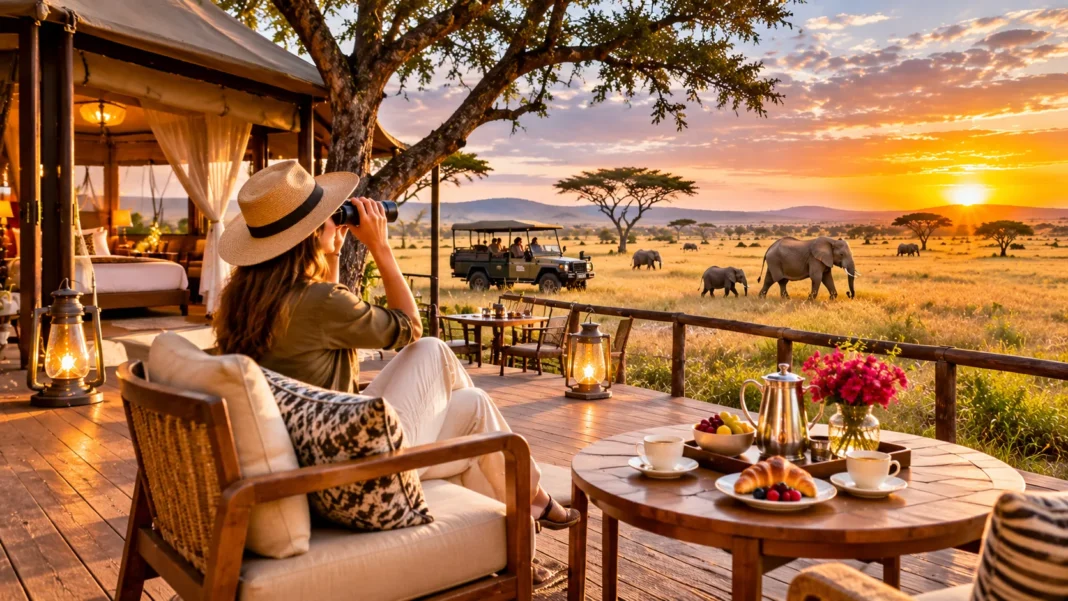

Planning a luxury safari in Serengeti is exciting, but choosing the right lodge, travel season, and safari itinerary can feel overwhelming. The Serengeti is one of Africa’s most famous wildlife destinations, offering breathtaking landscapes, remarkable animal encounters, and exclusive accommodations. However, without careful planning, travelers may miss important wildlife experiences or spend more than expected.
A luxury safari in Serengeti combines the excitement of African wildlife with comfortable accommodation, expert guides, and personalized hospitality. Imagine watching lions across golden grasslands, witnessing large wildebeest herds, or enjoying a peaceful evening at a beautiful tented camp. These experiences make Tanzania’s Serengeti National Park a remarkable destination for nature lovers.
Whether you are planning your first African safari or returning for another wilderness adventure, understanding the destination is essential. From selecting the best safari region to choosing private game drives and luxury lodges, every decision influences your experience. This guide explains how to plan a memorable Serengeti safari, including accommodation, costs, wildlife seasons, and practical travel advice.
Why Choose the Serengeti for a Luxury Safari?
The Serengeti National Park is one of Tanzania’s most celebrated wildlife destinations and a UNESCO World Heritage Site. Its enormous grasslands, rocky outcrops, and diverse habitats support remarkable animal populations. Visitors can encounter lions, elephants, giraffes, cheetahs, and numerous other species. The park is especially famous for the annual Great Migration, which attracts wildlife enthusiasts worldwide.
Luxury travel adds comfort and convenience to the traditional safari experience. Exclusive camps and lodges provide spacious accommodation, carefully prepared meals, and professional guiding services. Many properties also feature private terraces overlooking the surrounding wilderness. These facilities allow travelers to enjoy nature without sacrificing the comfort expected from a premium vacation.
Another attraction is the variety of experiences available across the Serengeti ecosystem. Some regions are ideal for observing resident predators, while others become important during seasonal migration movements. Travelers can choose peaceful wilderness settings or wildlife-rich areas with established safari infrastructure. This flexibility makes the Serengeti suitable for different interests and travel preferences.
Best Areas to Stay in the Serengeti
Central Serengeti, particularly the Seronera region, is one of the best areas for first-time visitors. Its rivers, grasslands, and rocky outcrops support wildlife throughout much of the year. Lions, leopards, elephants, and other animals are regularly observed in this region. Central Serengeti also offers a variety of luxury lodges and convenient access through Seronera Airstrip.
Northern Serengeti is especially attractive during the Great Migration’s northern movement. Areas around Kogatende and the Mara River are associated with possible wildebeest river crossings. Remote camps provide an exclusive atmosphere surrounded by beautiful wilderness. However, wildlife movements depend on rainfall and grazing conditions, so no operator can guarantee a crossing on a particular day.
Southern Serengeti and the nearby Ndutu region are particularly important during the calving season. Large wildebeest herds commonly gather on the nutrient-rich short-grass plains between approximately January and March. The western corridor offers another distinctive landscape, especially during seasonal herd movements. Choosing the correct region helps travelers match their safari experience with wildlife interests.
Best Luxury Safari Lodges in Serengeti
The Serengeti offers several internationally recognized luxury safari lodges and exclusive tented camps. Four Seasons Safari Lodge Serengeti is known for its comfortable suites, swimming pool, and views of a nearby wildlife waterhole. Its central location provides access to established game-drive routes. The property appeals to travelers seeking contemporary facilities within a natural wilderness setting.
Singita Sasakwa Lodge, located in the Grumeti Reserve bordering the Serengeti, offers a different luxury experience. Its elegant accommodation, impressive views, and personalized hospitality attract visitors seeking privacy. Singita Faru Faru Lodge is another premium option within the same broader conservation area. These properties combine exclusive accommodation with carefully managed wildlife experiences.
Lemala Nanyukie Lodge and One Nature Nyaruswiga are additional options worth considering. Their luxurious suites and thoughtfully designed facilities create comfortable environments surrounded by the Serengeti landscape. Different properties provide varying levels of privacy, services, and access to wildlife areas. Comparing lodge locations and package inclusions is essential before making a reservation.
Luxury Tented Camps vs. Traditional Safari Lodges
Luxury tented camps offer an immersive wilderness experience while providing many modern comforts. Unlike basic camping, premium tents may include proper beds, private bathrooms, comfortable furnishings, and furnished outdoor decks. Some properties also feature plunge pools and elegant dining areas. Their canvas structures allow visitors to feel closely connected to the surrounding environment.
Traditional safari lodges generally feature more permanent buildings and established facilities. Depending on the property, guests may have access to swimming pools, spas, restaurants, and spacious indoor lounges. These accommodations can be especially appealing to travelers who prefer conventional hotel-style amenities. However, facilities vary considerably, making individual property comparisons important.
Seasonal mobile camps provide another distinctive accommodation option. Certain camps relocate within permitted areas to follow broad migration patterns during different periods of the year. Their locations can improve access to seasonal wildlife concentrations, although sightings remain unpredictable. Travelers should choose between mobile camps and permanent lodges based on comfort preferences, travel dates, and sightseeing priorities.
Best Time for a Luxury Safari in Serengeti
The Serengeti offers rewarding wildlife viewing throughout the year, although seasonal conditions influence the experience. The dry season generally runs from June through October and is popular for game drives. Vegetation becomes thinner, making certain animals easier to observe. Wildlife may also gather near remaining water sources, creating excellent viewing opportunities.
January through March is particularly attractive for travelers interested in the southern Serengeti’s calving season. Large herds and newborn wildebeest create distinctive wildlife experiences across the short-grass plains. This period also attracts predators, although sightings depend on natural behavior. Travelers should select accommodation near the appropriate region rather than assuming every lodge provides similar access.
The wetter months offer their own advantages, including green landscapes, dramatic skies, and excellent birdwatching opportunities. November and December commonly bring shorter rains, while heavier rainfall often occurs from March through May. Some roads may become difficult to navigate, and certain camps close seasonally. Checking local conditions and accommodation availability helps travelers plan more effectively.
Experiencing the Great Migration in Serengeti
The Great Migration is one of the Serengeti ecosystem’s most remarkable natural events. Huge numbers of wildebeest, accompanied by zebras and other animals, move between grazing areas in response to seasonal rainfall. Their movements form an ongoing cycle across northern Tanzania and southern Kenya. The migration is not a single event occurring on a fixed date.
During the early months, large herds commonly gather in the southern Serengeti and Ndutu region. As seasonal conditions change, animals move toward central and western areas before reaching northern landscapes. Between approximately July and October, some herds may attempt crossings of the Mara River. Actual timing varies considerably between years and individual groups.
Travelers hoping to observe the migration should plan around the correct seasonal region. Staying several nights can provide more opportunities to encounter moving herds and other wildlife. However, even experienced guides cannot control where animals travel. A successful safari should focus on appreciating natural wildlife behavior rather than expecting a specific event.
Private Game Drives and Exclusive Wildlife Experiences
Game drives are the central activity of most luxury Serengeti safari holidays. Professional guides take visitors through permitted roads and designated wildlife areas using suitable safari vehicles. Early mornings and late afternoons can offer rewarding observation opportunities because many animals are active during cooler periods. Every drive introduces different landscapes, behaviors, and photographic possibilities.
Private game drives provide additional flexibility compared with shared excursions. Travelers can discuss their interests with the guide and spend more time observing particular habitats when conditions permit. Photography enthusiasts may appreciate the opportunity to study animal behavior without rushing. However, all activities must follow park regulations and maintain appropriate distances from wildlife.
Other premium safari activities may include guided nature experiences in authorized areas and selected cultural excursions outside the national park. Availability depends on location, operator permissions, and local regulations. Responsible guides prioritize visitor safety and wildlife conservation throughout every activity. Choosing experienced professionals makes the safari more informative and helps protect the surrounding ecosystem.
Hot Air Balloon Safaris Over the Serengeti
A hot air balloon safari offers a distinctive perspective on the Serengeti’s vast landscapes. These experiences generally begin around sunrise, when morning light creates impressive views across the plains. Passengers may observe rivers, grasslands, and wildlife from above. The peaceful atmosphere makes ballooning a memorable addition to a premium safari itinerary.
Balloon excursions are operated by specialist companies and depend on suitable weather conditions. Flights require advance arrangements and follow established aviation safety procedures. Wildlife sightings from the air can be fascinating, but they are never guaranteed. Travelers should also understand that ballooning provides a different experience from ground-level wildlife photography.
Many balloon safari packages include transportation arrangements and a meal experience after landing. Exact services vary between operators and departure locations. Because balloon flights involve additional costs, travelers should decide whether the experience fits their budget and interests. Those considering ballooning should review safety requirements, medical restrictions, and booking conditions before reserving.
How Much Does a Luxury Safari in Serengeti Cost?
The cost of a luxury safari in Serengeti depends on several important factors. Accommodation standards, travel season, location, private guiding, and trip duration all influence the final price. Premium safari lodges can cost several hundred to several thousand US dollars per person per night. Exclusive villas and private arrangements may require considerably larger budgets.
Many luxury safari packages include accommodation, scheduled meals, and guided game drives. However, park entry fees, conservation charges, flights, premium beverages, and additional activities may be billed separately. Seasonal promotions and accommodation categories can also affect the total cost. Understanding these differences makes it easier to compare packages accurately.
Transportation is another important budgeting consideration, especially when visiting remote safari regions. Domestic flights and private transfers can increase expenses, although they may reduce travel time. International flights, travel insurance, visas, and personal purchases should also be included. Requesting a detailed quotation helps travelers understand the complete cost before confirming their safari.
How to Get to Serengeti National Park
Most international travelers reach the Serengeti through Tanzania’s main northern tourism gateways. Kilimanjaro International Airport serves the broader Arusha region, which is an important starting point for safari journeys. Depending on flight arrangements, travelers may also connect through other Tanzanian airports. The most convenient route depends on the lodge location and available transportation.
Domestic flights provide access to several airstrips within the Serengeti ecosystem. Seronera is particularly useful for central accommodations, while other airstrips serve northern and western regions. Flight schedules may vary seasonally and are affected by operating conditions. Luxury lodges often help coordinate onward transfers between the airstrip and the property.
Road travel from Arusha offers another way to reach the Serengeti, often as part of a broader northern Tanzania itinerary. The journey can take many hours and may involve rough roads. Some travelers combine visits to Ngorongoro and other destinations along the route. Choosing between air and road transfers depends on comfort preferences, available time, and budget.
What to Pack for a Luxury Serengeti Safari
Packing carefully helps travelers remain comfortable during game drives and outdoor activities. Lightweight clothing in neutral colors is practical for many safari conditions. Comfortable trousers, breathable shirts, a wide-brimmed hat, and supportive footwear are useful essentials. Early mornings can be chilly, so bringing a warm layer is important even during warmer seasons.
Sun protection and personal essentials should also be considered. Sunglasses, sunscreen, insect repellent, and a reusable water bottle are useful during long outdoor excursions. Binoculars can make wildlife observation more rewarding, while cameras help capture memorable landscapes. Travelers should check the airline’s luggage restrictions, particularly when using smaller safari aircraft.
Medical preparation is equally important when visiting Tanzania. Travelers should seek professional advice about recommended vaccinations, malaria prevention, and personal health requirements before departure. Suitable travel insurance can provide additional protection against unexpected disruptions. Carry necessary medications in their original packaging and follow the instructions of experienced guides throughout the journey.
How to Plan the Perfect Serengeti Safari Itinerary
A successful luxury safari itinerary begins with identifying your main travel interests. First-time visitors may prefer central Serengeti because of its dependable resident wildlife and established accommodation options. Migration enthusiasts should select destinations according to seasonal movements. Travelers interested in photography may benefit from staying longer in one region rather than changing camps frequently.
For a shorter safari, three or four nights can provide a memorable introduction to the Serengeti. However, five to seven nights allows additional opportunities for wildlife viewing and exploration. Longer journeys may combine multiple regions or include other northern Tanzania destinations. The right duration depends on available vacation time and personal expectations.
When creating your itinerary, balance game drives with opportunities for relaxation. Luxury lodges often provide comfortable spaces where guests can enjoy the scenery between activities. Avoid scheduling excessive transfers that reduce time available for wildlife exploration. Booking through experienced, responsible operators can simplify transportation, accommodation arrangements, and the overall travel experience.
Conclusion
A luxury safari in Serengeti offers an extraordinary combination of wildlife, natural beauty, and premium hospitality. From the central plains of Seronera to the remote northern migration regions, every area provides different experiences. Choosing the correct location and season is essential for creating a rewarding journey. Comfortable lodges and professional guides further enhance the adventure.
Careful planning helps travelers balance accommodation costs, wildlife interests, and transportation arrangements. Whether you prefer exclusive tented camps, private game drives, or unforgettable migration experiences, the Serengeti offers numerous possibilities. Understanding seasonal wildlife patterns and package inclusions helps prevent unrealistic expectations. A flexible itinerary allows more time to appreciate nature.
The most memorable Serengeti safaris focus on experiencing wildlife responsibly rather than expecting guaranteed sightings. Respecting park regulations, following professional guidance, and choosing conservation-minded operators support sustainable tourism. With thoughtful preparation, travelers can enjoy remarkable landscapes and comfortable accommodations. A well-planned luxury safari can become one of the highlights of an African vacation.
Frequently Asked Questions (FAQs)
What is the best month for a luxury safari in Serengeti?
June through October is popular for dry-season wildlife viewing, while January through March is attractive for the southern calving season. The best month depends on your preferred wildlife experiences and safari region.
How much does a luxury Serengeti safari cost?
Luxury safari packages vary considerably in price. Premium lodges may charge several hundred to several thousand US dollars per person per night. Final costs depend on accommodation, season, transfers, guiding, and included activities.
Which area of Serengeti is best for luxury accommodation?
Central Serengeti offers convenient access to wildlife and established luxury lodges. Northern Serengeti is attractive during migration season, while Grumeti provides exclusive accommodation in the neighboring private reserve.
How many days are enough for a luxury Serengeti safari?
Three or four nights provide an introduction to the Serengeti, but five to seven nights allow more time for game drives and wildlife exploration. Longer itineraries can include multiple regions.
Is a luxury safari in Serengeti worth it?
A luxury Serengeti safari can be rewarding for travelers who value wildlife, professional guiding, and comfortable accommodation. Premium experiences offer convenience and personalized services, although wildlife sightings remain naturally unpredictable.