


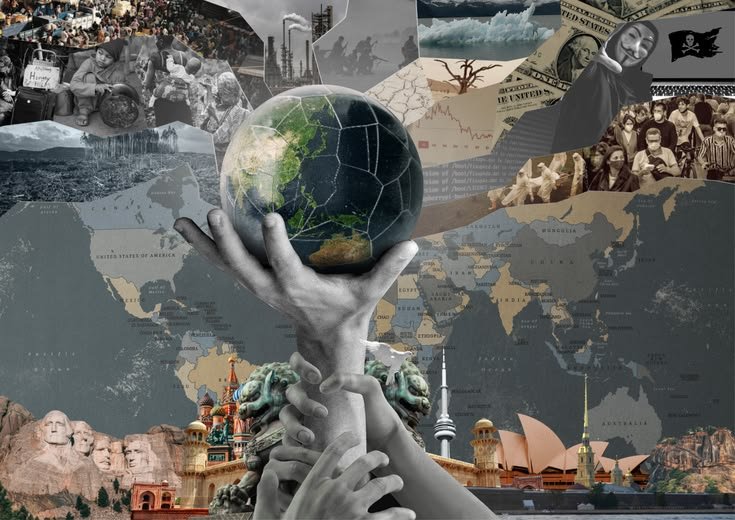

Globalization has transformed the modern world by increasing economic integration, technological connectivity, and cultural exchange across national borders. Advances in transportation, communication, and international trade have made countries more interconnected than ever before. However, alongside these developments, many nations have witnessed a resurgence of nationalism.
Nationalism, the belief that a nation’s interests, culture, and identity should be prioritized, has gained significant attention in recent decades. While globalization encourages cooperation and interdependence, nationalism emphasizes sovereignty, self-determination, and national unity. The coexistence of these seemingly opposing forces has become a defining feature of contemporary politics and society.
Understanding Nationalism
Nationalism is a political and social ideology that promotes loyalty and devotion to one’s nation. It often emphasizes shared history, language, culture, traditions, and values. Nationalism can foster a sense of belonging and collective identity among citizens.
Historically, nationalism played a key role in the formation of modern nation-states and independence movements. In today’s world, however, it has evolved in response to the opportunities and challenges created by globalization.
The Impact of Globalization
Economic Integration
Globalization has expanded international trade and investment, creating new economic opportunities for many countries. Businesses can access global markets, and consumers benefit from a wider range of products and services.
However, globalization has also contributed to economic inequalities in some regions. Industries may relocate to countries with lower labor costs, leading to job losses and economic uncertainty for certain communities.
Cultural Exchange
The exchange of ideas, media, and cultural practices has increased understanding among people from different backgrounds. Global communication platforms have connected societies in unprecedented ways.
At the same time, some individuals fear that globalization may weaken local traditions, languages, and cultural identities, prompting stronger expressions of nationalism.
Political Cooperation
International organizations and agreements encourage countries to work together on issues such as trade, climate change, security, and public health. While such cooperation can address global challenges, some critics argue that it may reduce national control over domestic affairs.
Why Nationalism Is Rising
Economic Concerns
One of the major drivers of modern nationalism is economic insecurity. Individuals who feel disadvantaged by global economic changes may support policies that prioritize domestic industries, local jobs, and national economic interests.
Economic challenges can create a perception that globalization benefits elites while leaving ordinary citizens behind.
Protection of National Identity
Many people view nationalism as a way to preserve cultural heritage, traditions, and national values. Increased migration and cultural exchange can sometimes generate concerns about maintaining a distinct national identity.
As a result, political movements emphasizing cultural preservation often gain support.
Immigration and Border Security
Migration has become a significant issue in many countries. While immigration can contribute to economic growth and cultural diversity, debates about border control, resource allocation, and social integration have fueled nationalist sentiments in some regions.
Nationalist movements frequently advocate stricter immigration policies and stronger border security measures.
Distrust of Global Institutions
Some citizens believe that international organizations and multinational agreements limit national sovereignty. Concerns about external influence on domestic policies can encourage support for leaders and movements that prioritize national independence and self-governance.
Positive Aspects of Nationalism
Nationalism is not inherently negative. In many cases, it can strengthen social cohesion and encourage civic participation.
Some potential benefits include:
- Promoting national unity and solidarity.
- Preserving cultural heritage and traditions.
- Encouraging citizens to participate in public affairs.
- Supporting national development and self-determination.
When balanced with democratic values and respect for diversity, nationalism can contribute positively to society.
Risks and Challenges
Despite its potential benefits, nationalism can also create challenges when taken to extremes.
Excessive nationalism may lead to intolerance, discrimination, or hostility toward other nations and groups. It can strain international relationships, hinder global cooperation, and contribute to political polarization.
In some cases, nationalist rhetoric may encourage exclusionary policies that undermine social harmony and democratic principles.
Balancing Nationalism and Globalization
The challenge for modern societies is not choosing between nationalism and globalization but finding a balance between them. Countries can protect their national interests and cultural identities while still participating in global cooperation.
Effective policies should seek to:
- Promote economic opportunities for local communities.
- Preserve cultural traditions and national heritage.
- Encourage international collaboration on shared challenges.
- Respect diversity and human rights.
A balanced approach allows nations to benefit from globalization without losing their unique identities.
The Future of Nationalism
Nationalism is likely to remain an influential force in global politics. Economic uncertainty, technological change, migration, and geopolitical tensions may continue to shape nationalist movements.
At the same time, global challenges such as climate change, pandemics, and international security require cooperation among nations. The future will depend on how governments and societies manage the relationship between national priorities and global responsibilities.
Conclusion
The rise of nationalism in a globalized world reflects the complex realities of modern society. While globalization has increased interconnectedness and economic opportunities, it has also raised concerns about identity, sovereignty, and economic security. Nationalism offers a sense of belonging and national pride, but it can also create challenges when it becomes exclusionary or extreme.
The key to a stable and prosperous future lies in balancing national interests with international cooperation. By embracing both national identity and global engagement, societies can address contemporary challenges while preserving the values and traditions that define them.
Frequently Asked Questions (FAQs)
1. What is nationalism?
Nationalism is an ideology that emphasizes loyalty, identity, and commitment to one’s nation, often prioritizing national interests and sovereignty.
2. How does globalization influence nationalism?
Globalization increases international connections and economic integration, but it can also create concerns about cultural identity, economic security, and national sovereignty, which may strengthen nationalist sentiments.
3. Why has nationalism increased in recent years?
Factors such as economic inequality, immigration debates, cultural concerns, and distrust of global institutions have contributed to the rise of nationalism in many countries.
4. Is nationalism always negative?
No. Nationalism can promote unity, cultural preservation, and civic engagement. However, extreme forms of nationalism may lead to intolerance and conflict.
5. How does nationalism affect international relations?
Nationalism can encourage countries to prioritize domestic interests, which may sometimes complicate international cooperation and diplomatic relations.
6. Can nationalism and globalization coexist?
Yes. Many countries seek to balance national interests with participation in global trade, diplomacy, and international organizations.
7. What are the risks of extreme nationalism?
Extreme nationalism can contribute to discrimination, social division, political polarization, and tensions between nations.
8. What is the future of nationalism?
Nationalism is expected to remain influential as societies respond to economic, cultural, and political changes while navigating an increasingly interconnected world.