


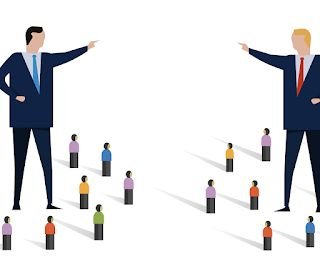

Political polarization has become one of the most significant challenges facing societies around the world. It refers to the growing divide between political groups, ideologies, and parties, often resulting in increased conflict and reduced cooperation. As political beliefs become more extreme and individuals align strongly with their preferred political camps, finding common ground becomes increasingly difficult.
The rise of political polarization has affected democratic institutions, public discourse, policymaking, and social relationships. Understanding its causes and consequences is essential for addressing the challenges it poses to modern societies.
What Is Political Polarization?
Political polarization occurs when people’s political opinions and beliefs become more divided and concentrated at opposite ends of the political spectrum. In highly polarized environments, individuals often view those with opposing viewpoints as adversaries rather than fellow citizens with different perspectives.
This division can occur among political leaders, media organizations, and the general public. As polarization increases, compromise becomes less common, and political debates often become more contentious.
Historical Context of Political Polarization
Political disagreements have existed throughout history, but modern polarization has intensified due to technological advancements, changing media landscapes, and evolving social dynamics. While healthy political debate is a fundamental aspect of democracy, extreme polarization can weaken institutions and hinder effective governance.
In many countries, political identities have become closely tied to social, cultural, and economic beliefs, making political disagreements more personal and emotionally charged.
Causes of Political Polarization
Media Fragmentation
The expansion of digital media has transformed how people consume information. Individuals can now access news sources that align closely with their existing beliefs, creating information environments where opposing viewpoints are rarely encountered.
This phenomenon can reinforce existing opinions and contribute to ideological divisions. Social media platforms further amplify this effect by promoting content that generates engagement, often favoring emotionally charged or controversial material.
Social Media and Online Communities
Social media platforms have become influential spaces for political discussion. While they provide opportunities for communication and civic engagement, they can also contribute to polarization.
Algorithms often prioritize content that aligns with user preferences, creating echo chambers where people are primarily exposed to views similar to their own. This can deepen divisions and make constructive dialogue more difficult.
Economic Inequality
Economic disparities can contribute to political polarization by creating different priorities and concerns among various groups. Individuals facing economic challenges may support policies that differ significantly from those favored by wealthier populations.
As economic inequality grows, political debates surrounding taxation, social welfare, employment, and public services can become increasingly divisive.
Cultural and Identity Issues
Political beliefs are often connected to cultural values, religion, ethnicity, and social identity. When political discussions involve deeply held cultural beliefs, disagreements may become more intense and personal.
Issues related to immigration, education, gender, and national identity frequently contribute to political divisions in many societies.
Political Leadership and Partisanship
Political leaders and parties can influence polarization through their rhetoric and campaign strategies. In some cases, emphasizing differences between political groups may help mobilize supporters but can also deepen societal divisions.
Strong partisan loyalty may encourage individuals to support their political group regardless of policy specifics, increasing political polarization over time.
Consequences of Political Polarization
Reduced Government Effectiveness
One of the most significant consequences of political polarization is legislative gridlock. When political parties refuse to compromise, passing laws and implementing policies becomes more difficult.
This can slow responses to important issues such as economic challenges, healthcare reforms, infrastructure development, and national security concerns.
Decline in Public Trust
Polarization can reduce public trust in institutions, including governments, media organizations, and electoral systems. When citizens perceive institutions as biased or partisan, confidence in democratic processes may decline.
A lack of trust can weaken civic engagement and make it harder to build consensus on important societal issues.
Increased Social Division
Political polarization often extends beyond government and politics into everyday life. Friendships, workplaces, and family relationships may become strained due to political disagreements.
As individuals increasingly associate with those who share similar beliefs, opportunities for meaningful dialogue across political differences may diminish.
Spread of Misinformation
Highly polarized environments can make people more susceptible to misinformation that supports their existing beliefs. False or misleading information can spread rapidly through social media and partisan news sources.
This can distort public understanding of important issues and make informed decision-making more challenging.
Threats to Democratic Stability
Extreme political polarization can undermine democratic norms and institutions. When political opponents are viewed as enemies rather than competitors, respect for democratic processes may weaken.
Maintaining a healthy democracy requires mutual respect, open dialogue, and a willingness to accept legitimate political outcomes.
The Role of Education and Civic Engagement
Education plays a crucial role in reducing political polarization. Teaching critical thinking, media literacy, and civic responsibility can help individuals evaluate information more effectively and engage in constructive discussions.
Civic engagement initiatives that encourage dialogue among people with different perspectives can also strengthen social cohesion and democratic participation.
Strategies for Reducing Political Polarization
Addressing political polarization requires efforts from governments, media organizations, educational institutions, and citizens. Encouraging respectful debate, promoting accurate information, and supporting independent journalism can help create a healthier political environment.
Individuals can contribute by seeking diverse viewpoints, engaging respectfully with others, and focusing on shared interests rather than ideological differences. While disagreement is inevitable in democratic societies, productive dialogue remains essential for progress.
The Future of Political Polarization
Political polarization is likely to remain a significant issue as technology, media, and social dynamics continue to evolve. However, societies that prioritize civic education, institutional trust, and open communication may be better positioned to manage political divisions.
Finding ways to bridge differences while respecting diverse perspectives will be critical for maintaining democratic stability and social harmony in the years ahead.
Conclusion
Political polarization is a complex phenomenon driven by media fragmentation, social media influence, economic inequality, cultural differences, and partisan politics. While healthy political debate is necessary for democracy, excessive polarization can weaken institutions, reduce public trust, and increase social conflict.
Addressing political polarization requires collective efforts to promote dialogue, critical thinking, and mutual understanding. By fostering respectful engagement and focusing on shared goals, societies can work toward reducing divisions and strengthening democratic values.
Frequently Asked Questions (FAQs)
1. What is political polarization?
Political polarization refers to the increasing division of political opinions and ideologies into opposing groups with limited common ground.
2. What causes political polarization?
Major causes include media fragmentation, social media algorithms, economic inequality, cultural differences, and partisan political strategies.
3. How does social media contribute to polarization?
Social media can create echo chambers by showing users content that aligns with their existing beliefs, reducing exposure to differing viewpoints.
4. Why is political polarization a concern?
Excessive polarization can reduce government effectiveness, weaken public trust, increase social conflict, and threaten democratic stability.
5. Can political polarization affect personal relationships?
Yes. Political disagreements can sometimes strain friendships, family relationships, and workplace interactions.
6. How does polarization impact democracy?
Polarization can make compromise more difficult, increase political hostility, and reduce confidence in democratic institutions and processes.
7. What role does education play in reducing polarization?
Education promotes critical thinking, media literacy, and civic engagement, helping individuals evaluate information and engage in constructive dialogue.
8. How can societies reduce political polarization?
Societies can reduce polarization by encouraging respectful discussions, promoting accurate information, strengthening civic education, and fostering cooperation across political differences.